
Last updated November 25, 2026
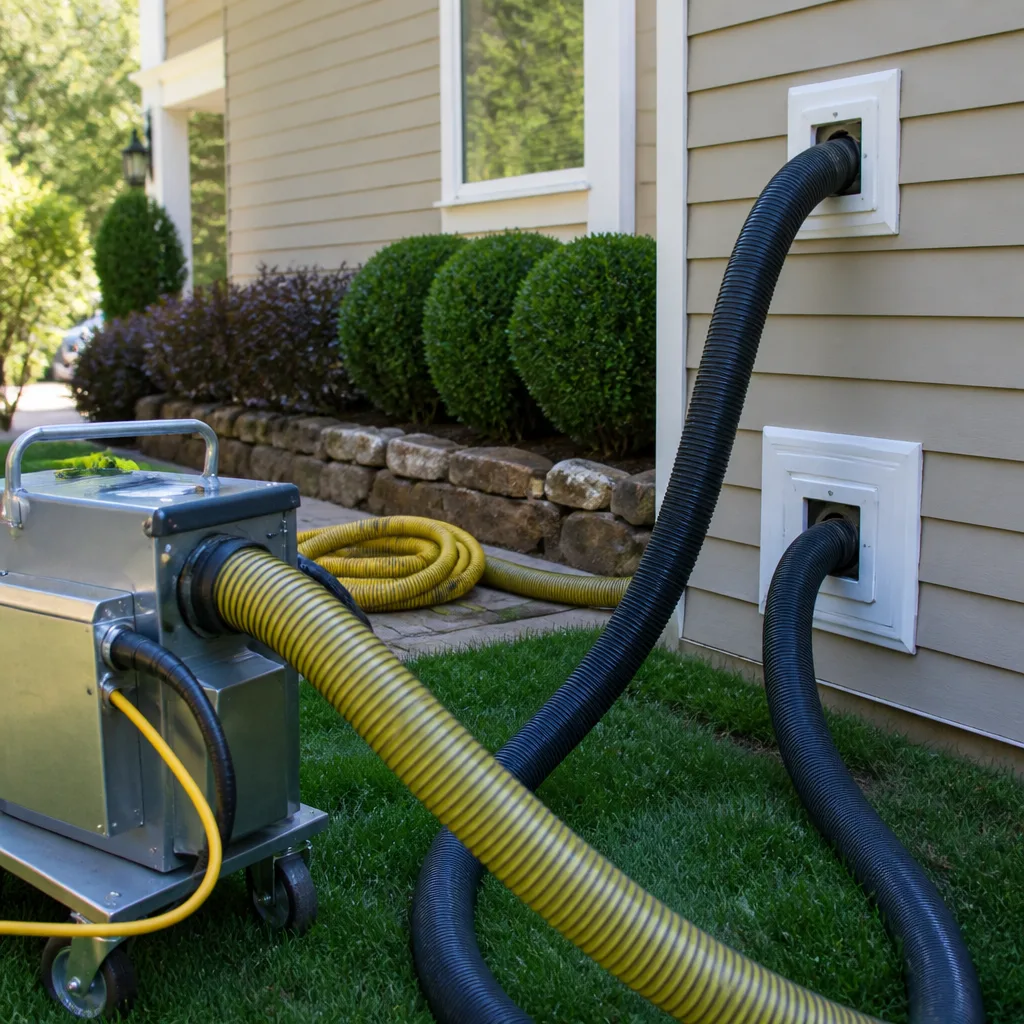 Whole-home duct cleaning
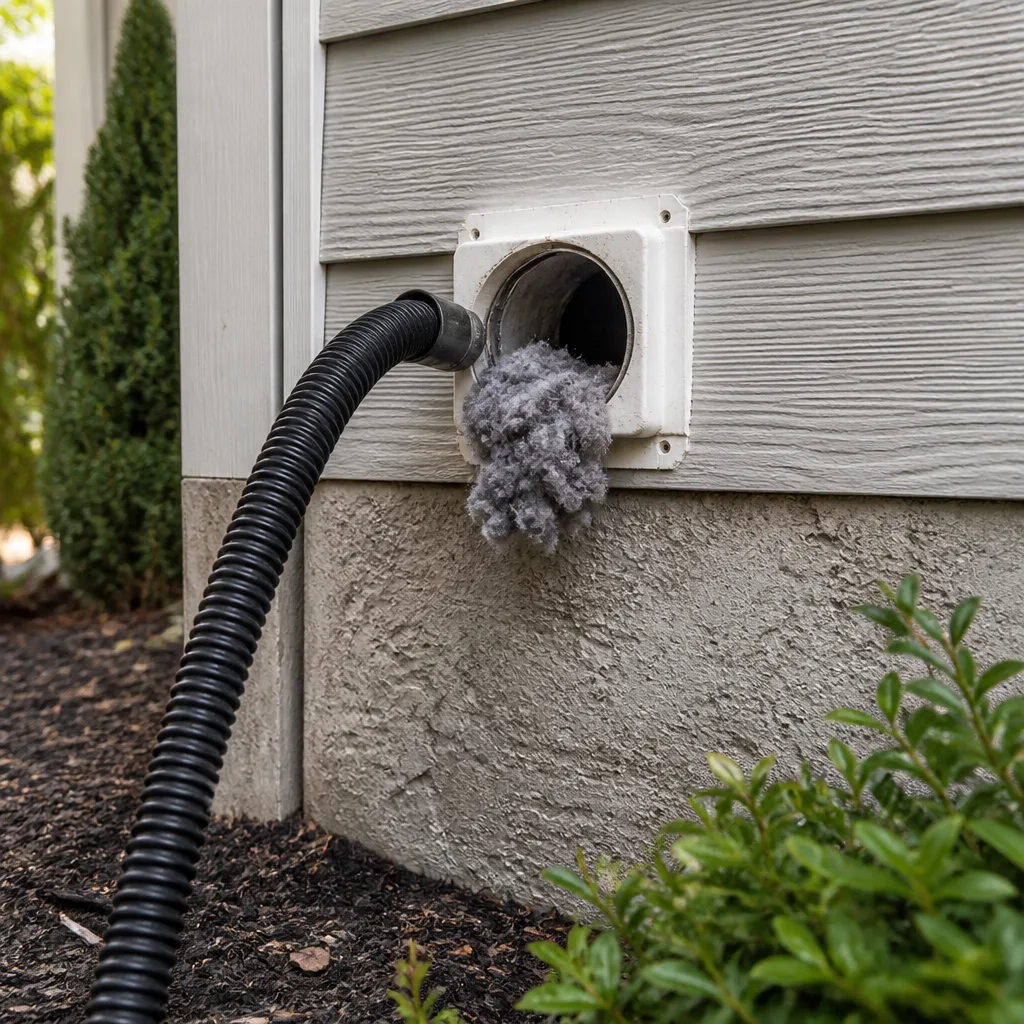 Dryer vent cleaning
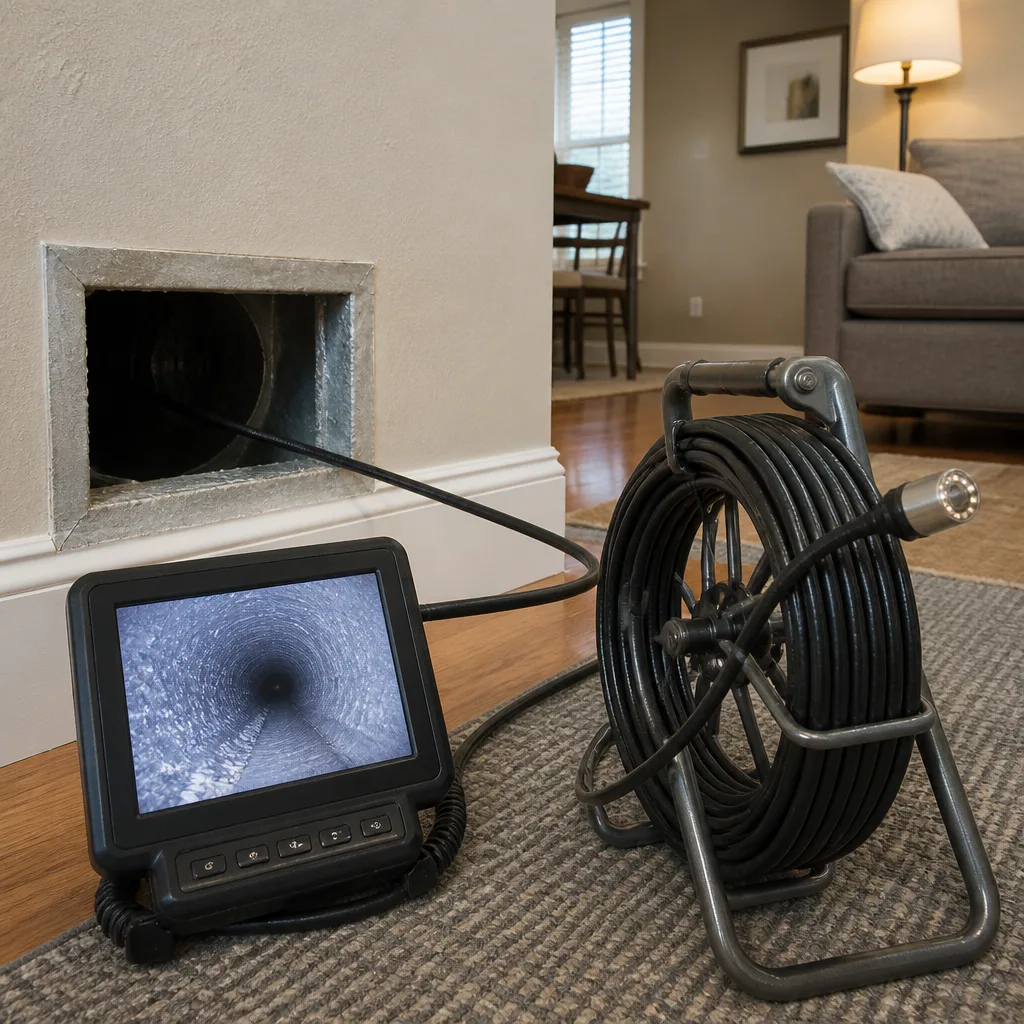 Camera inspection
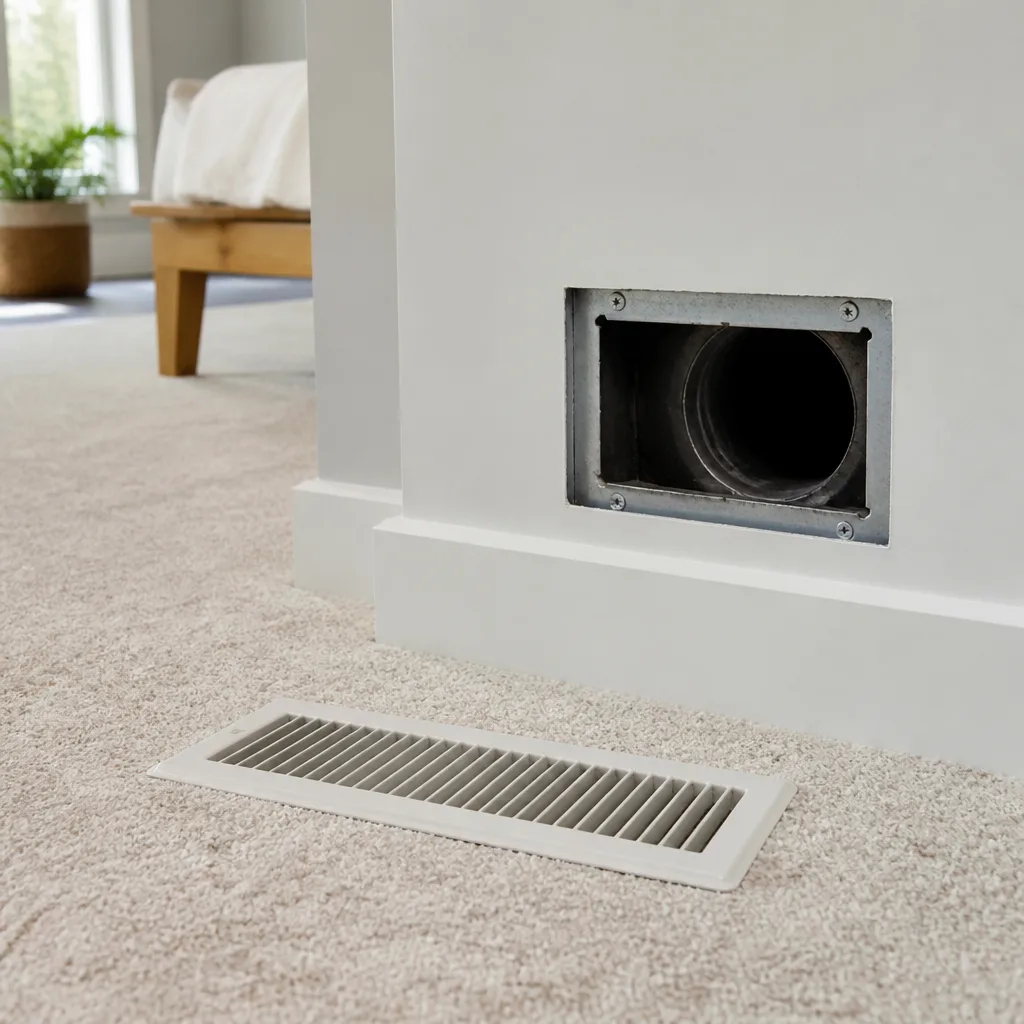 Sanitizing & deodorizing
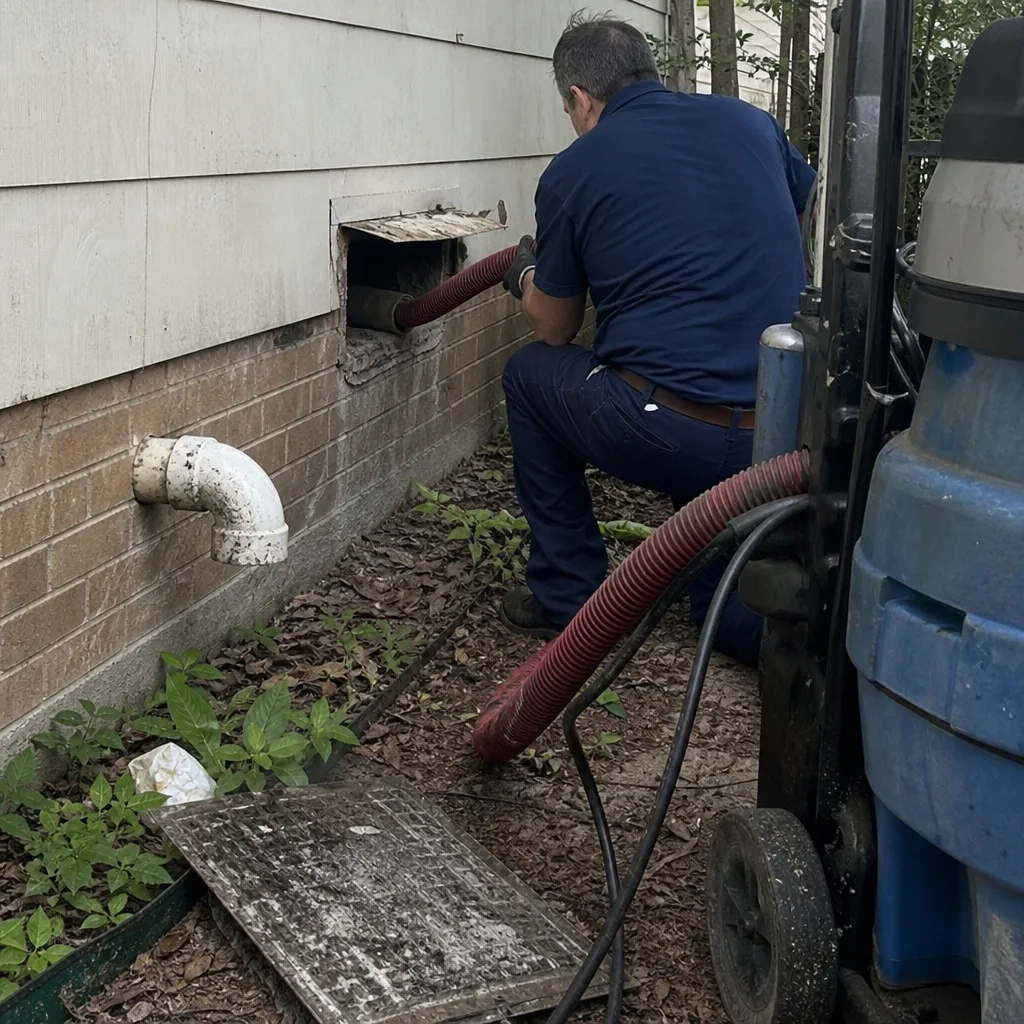
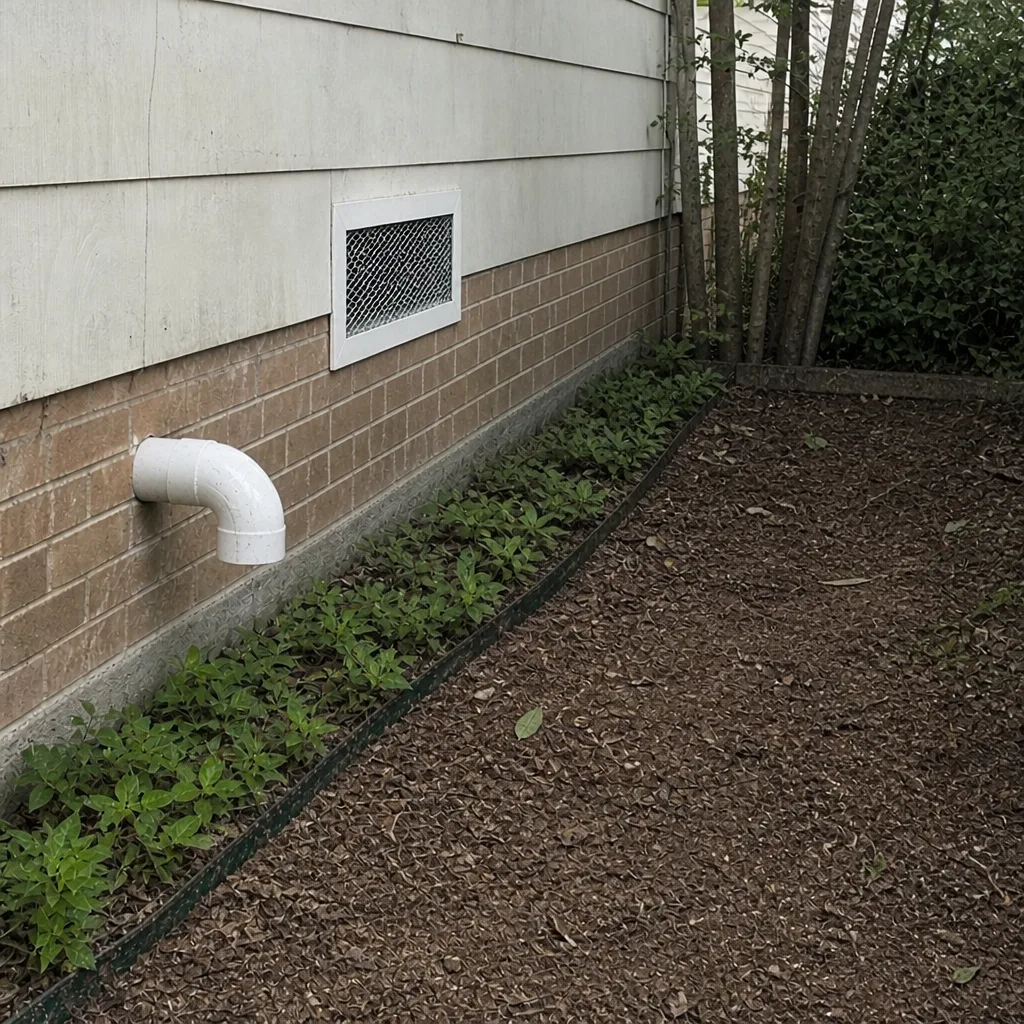
Whole-system duct and dryer vent check with before-and-after photos - you see exactly what came out of your vents
That "$99 whole-house special" is a bait ad - the real number appears once they are in your hallway, or the "clean" is a shop-vac at the register. We photograph the inside of your ducts before and after instead.
Air Duct Cleaning Warning Signs: A Kingwood Homeowner’s Reference Guide
Visible black dust around your supply vents isn’t a warning sign. It’s a system that already failed. The signs actually worth catching come six to eighteen months earlier, and they’re almost never about dust. They’re about airflow that quietly changed, an odor that only shows up at startup, a family member sneezing on a schedule that matches the thermostat. Kingwood’s humidity does a specific kind of slow damage to flex duct that most homeowners never think to look for because nothing looks broken. This guide walks you through the subtle indicators, vent by vent, so you can judge the health of your own system before a cheap problem becomes an expensive one.
Styles & brands we work with
- Whole-home duct cleaning
- Dryer vent cleaning
- Camera inspection
- Sanitizing & deodorizing
Quick Answer
The warning signs that matter most are uneven airflow between rooms, a musty smell in the first ten minutes of a cooling cycle, allergy symptoms that track your HVAC schedule, utility bills creeping up without more usage, and material debris or staining at the registers. Each points to a specific duct problem, and catching them early usually means repair and sealing rather than full replacement. If two or more show up together, have the system inspected.
Table of Contents
- Differential Airflow Between Rooms
- The First-Ten-Minutes Musty Odor
- Allergy Flares That Track Your HVAC Cycles
- Utility Bill Creep in the Cooling Season
- What Debris and Staining at the Register Tell You
- Why Kingwood Humidity Attacks Flex Duct
- How Professional Inspection and Cleaning Works
- Common Mistakes to Avoid
- When to Call a Professional
- Frequently Asked Questions
Differential Airflow Between Rooms
A sagging or partly disconnected flex duct run is one of the most common problems we find, and it almost never announces itself. The room just feels a little warm. You assume the sun hits it, or the vent was always that way. It wasn’t. You can test airflow room by room without any equipment at all, and the comparison will tell you more than a quick glance at the thermostat.
Here’s the vent-by-vent comparison. Do it while the system is running and has been for at least ten minutes.
- Hold a single square of thin tissue or a strip of toilet paper up to each supply register.
- Note how far the paper flutters and at what angle. Use the same paper for every vent so your comparison is honest.
- Rank the rooms from strongest to weakest. Write it down; memory is unreliable here.
- Flag any room where the paper barely lifts, or where it lifts inconsistently, pulsing rather than steady.
- Repeat the test with doors open and closed. A big difference tells you the system is starved for return air.
- Check the return grilles the same way. A weak return pulls down every supply it serves.
If one or two rooms stand out as clearly weaker, and it’s the same rooms every time you check, the duct serving them is the suspect. Flex duct sags under its own weight, and a sag creates a low spot where air slows and pressure drops. A separated collar or a crushed run behind a cabinet does the same thing. In Kingwood’s long cooling season, that weak room also stays humid, which is its own problem. Whole-home air duct cleaning is the starting point, but airflow that traces to a physical defect needs Kingwood Air Duct Cleaning Co to clean, seal, and rebalance the run, not just vacuum it.
The First-Ten-Minutes Musty Odor
That smell you notice when the air first kicks on, then stop noticing after ten minutes, is not “old system smell.” It’s a biofilm signature. And the reason it disappears is not that it’s gone; it’s that your nose has adjusted to it. This is the single most misread warning sign in Kingwood homes, because the pattern feels harmless.
Here’s what’s actually happening. Moisture collects on interior duct surfaces, particularly in the cool-down cycle after the system shuts off. In a humid climate that surface stays damp long enough for a biological film to form. When the blower starts, that film releases its odor all at once. After the initial burst, the concentration in the moving air drops, and your sense of smell dulls. The cycle repeats.
- Musty or earthy: typical of organic growth on a damp duct surface, often near the air handler or on the first run past it.
- Wet dog or dirty sock: usually points to microbial growth plus settled dust that has stayed damp.
- Metallic or sharp: less about growth, more about a component issue nearby. Worth inspecting.
- Only in one zone: the odor source lives on that branch, not in the whole system.
What you can check yourself is timing. Note exactly how long the smell lasts, whether it comes back when the system cycles again, and which rooms it’s strongest in. That pattern is genuinely useful when you call for service because it narrows the search. What you shouldn’t do is try to clean duct interiors yourself with foggers or sprays from a hardware store. You can’t reach the surface, and the chemical sits on top of the growth rather than removing it. Professional treatment of an actual contamination problem involves removing the source and then sanitizing with the right equipment. Abatement Technologies equipment exists for exactly this kind of scenario, where the contamination is deeper than routine dust.
Allergy Flares That Track Your HVAC Cycles
You can learn a lot from a notepad and two weeks of patience. If someone in the house has a schedule of symptoms that doesn’t match the pollen count or the weather, watch it against the system. This is a correlation exercise, not a diagnosis, and it’s the most useful record you can bring to an inspection.
Set it up like a simple log. Each evening, jot two things: whether the person had symptoms that day, and the rough number of times the air conditioner ran. After two weeks, look for a pattern. If symptoms build on days with heavier runtime and ease on days the system rests, and if the person’s outdoor exposure was the same, the ductwork is worth looking at. If symptoms follow outdoor counts instead, you’re dealing with something else entirely.
One more measurement is worth doing: check the filter at the air handler at the same time each week and note whether it loads up faster on the side facing the return. A filter that clogs before its interval, or that has visible dust loading on only one side, usually means debris is being reintroduced upstream of the filter. That’s a sign you’re circulating what was already in the system.
In our experience, families with young children or pets often notice this pattern before anyone else in the house. A pet that sneezes after the system starts and stops when it settles, or a child whose symptoms build during the cooling season and fade on a trip away from home, both point toward what’s circulating. We don’t diagnose allergies, but we can tell you what we find inside the ductwork and show it to you on camera before we clean anything.
Utility Bill Creep in the Cooling Season
Kingwood summers are long and cooling load is real. When the bill climbs, most homeowners blame the weather or the aging condensing unit. Before you do, check whether your usage actually went up. If the bill rose but the kilowatt-hours held steady, there’s a rate change in play. If the usage rose with the bill, look at the ductwork before the equipment.
Leaking ducts and restricted runs both push energy use up quietly. A leaky joint in an attic or chase space leaks conditioned air into a space that was never meant to hold it, so the system runs longer to hold the thermostat. A restricted run raises static pressure, and the blower works harder to get the same amount of air out. Neither shows up as a dramatic jump. It shows up as a small, steady creep you eventually stop questioning.
Three things you can check without a tool:
- Compare the last two years of the same month on your statement. Note the difference in usage, not dollars.
- Set the thermostat to one temperature and leave it there for a week. If runtime still feels long, the problem is not your habits.
- Look for hot or humid spots in the house during the cooling season. A room that’s cooler than the rest of the house when the system is off is often a sign of a leak pulling in outside air.
Duct repair and sealing is what actually addresses this. Cleaning removes what’s settled; sealing closes the path that energy was leaking through. That’s why we offer them together and why the service list is built as five distinct categories rather than a single vacuum service. If the leak is at a joint or a collar, you can’t clean your way to a solution.
What Debris and Staining at the Register Tell You
What you find on and around the register grille tells you which part of the system to look at. The material matters more than the amount. This is where careful homeowners gain a real edge over the person who just notices “dust.”
- Gray lint-like dust on the grille: routine accumulation on the register face itself. Cleaning the grille helps, but the question is what’s behind it.
- Black speckled debris: this is usually settled material that’s been through the system repeatedly. A system that produces this has already circulated it into every room.
- Yellow or pink fiberglass bits: the duct lining or wrap is breaking down. This is a material failure, not a dirt problem. It often shows up on the register face and in the run past the boot.
- Rust flakes or brown staining on the boot or ceiling: moisture. Condensation or a leaking joint is feeding the problem.
- Dark staining around the boot but not on the grille: an air leak is pulling unfiltered air in past the boot.
A simple way to sort these is to wipe one register with a white paper towel and photograph it. Do the same in every room. If the fiberglass bits appear in more than one room, or if the rust appears anywhere, that’s your signal that air duct cleaning is what you’re after, and that the system needs evaluation for material condition before the vacuum goes on. Cleaning a duct whose lining is shedding is not the answer; repairing or replacing that section is.
Why Kingwood Humidity Attacks Flex Duct
Kingwood sits in the Piney Woods on the north side of Houston, and the climate here is humid most of the year. That matters more to flex duct than most homeowners realize. Flex duct is a lightweight corrugated sleeve, and its inner surface is a large, cool, slightly uneven area that holds a thin film of moisture during the cooling season. A rigid metal duct drains. Flex duct often doesn’t. The moisture sits, and the surface stays a friendly place for biological growth.
The same humidity exposes problems in the attic. A run of flex in a hot attic gains heat, so the surface on the outside of the duct sweats when the system runs. That moisture attacks the outer wrap, the wrap breaks down, and the sag between supports becomes a trap for both air and debris. Support straps that have stretched, joints that have opened, and returns that were never properly sealed all become worse in this climate than they would in a dry one.
This is why we say the full system matters, not just the visible duct mouth. The problem isn’t only at the registers. It’s in the run inside the attic, at the plenum above the air handler, and at the return chase. We bring Rotobrush and Nikro equipment because the professional-grade systems reach through the full run and capture what they loosen, rather than just agitating the surface. The difference between a proper cleaning and a surface pass is measured at the far end of the system, not in the first ten feet.
Air quality equipment fits here too. A whole-home filtration or humidity solution from Honeywell or Aprilaire, sized for the house and installed as part of the same visit, can lower the moisture load on the internals of the system. It doesn’t replace cleaning. It reduces the frequency with which you’ll need it. The two work together.
How Professional Inspection and Cleaning Works
Knowing how a proper job runs is the best defense against a bad one. We’ve built our process around the full system because that’s the only way the result holds. Here’s what a professional visit should look like, from the first walkthrough to the final check.
- Walkthrough and airflow check. We confirm the room-by-room picture and look for signs of material failure, moisture, and separate leaks.
- Camera inspection. Before we clean, we capture what’s inside. You see it. This matters because you should be told what’s actually there.
- Containment. The system is sealed so debris doesn’t drift into the living space during the work.
- Mechanical cleaning. Rotobrush and Nikro equipment agitate and capture material through the full run, including the trunk and the branch runs.
- Sanitizing when indicated. Only when the inspection found growth or a specific contamination source. Routine cleaning and sanitizing are not the same step.
- Repair and sealing. Joints, collars, and stretched runs are addressed while the system is open and accessible.
- Post-clean camera check and airflow retest. We compare before and after, and check that the weak rooms improved.
- Report and photos. You get the images and a written summary, not just a verbal “all done.”
HVAC cleaning is its own service category, and it belongs in the conversation when the equipment itself is carrying buildup. The coils and the cabinet have a lot to do with what’s in the ducts, and leaving them dirty undermines the work. Same principle for HVAC cleaning, which we scope separately. Dryer vent work is separate again, and it’s the one category most homeowners mention last and should mention first. Dryer vent cleaning is a fire-safety service. A dryer vent loaded with lint is a known cause of residential fires, and it doesn’t present with a warning sign you’d notice until it’s serious. The signs are longer dry times, a dryer that feels hot to the touch on top, and a flap outside that doesn’t open fully.
Common Mistakes to Avoid
- Waiting for visible dust before calling. Visible dust means the system has already been circulating it for months. The check should be driven by the sign, not the stain.
- Cleaning without looking. A crew that doesn’t camera-inspect the interior is guessing. Ask to see before-and-after images of your own ducts. A generic photo from another house doesn’t count.
- Treating every duct cleaning the same. A surface pass that agitates the register face and the first few feet is not the same job as cleaning the full run and sealing what’s leaking. The price difference usually reflects the equipment, and the equipment reflects the outcome.
- Ignoring the filter interval. In a Kingwood cooling season the filter sees heavy loading. A filter run past its interval is part of why the system starts building deposits, and no cleaning fixes that until you change the interval.
- Skipping the dryer vent. Homeowners often treat the dryer vent as a maintenance checklist item rather than a safety service. It belongs on the annual list with the same weight.
- Attributing the startup smell to age. “That’s just how it smells” is the most common way a growth problem goes unaddressed for another year. The first-ten-minutes odor is a specific pattern, not a normal one.
- Sealing after cleaning, if at all. Cleaning without sealing leaves the leaks open, so the system re-contaminates and the energy loss continues. Address both while the system is open.
When to Call a Professional
Two or more warning signs showing up together is the usual trigger. A single weak room that’s been weak all along, a startup odor you first noticed this season, and a bill that crept up without a usage change – that’s a combination that needs an inspection. So is any visible fiberglass or rust debris at a register, any stain around a duct boot, or a family member whose symptoms track the system. When the underlying question is whether the ductwork itself has failed, we’d rather look once and be wrong than have you wait another season.
Kingwood Air Duct Cleaning Co offers free estimates in Kingwood. We’ll show you what we find on camera, explain what each sign points to, and quote one flat price for the system we agree on before any work starts. Call (833) 991-7731. We answer 24/7. Fast dispatch from 7am to 7pm, Sunday through Friday. If you’re ready to move on the bigger picture, our dryer-vent cleaning visit is a good time to have the whole system evaluated.
Frequently Asked Questions
We quote one flat price per system by written estimate, not per vent, because the work is sized to the house and the system. We don’t publish a coupon figure, and we don’t quote a per-vent price, because that’s how the industry gets into the bait-and-switch pattern. The estimate is free and the price is set before any work starts. Call (833) 991-7731 for an exact quote.
Usually because the job is smaller than the name suggests. A low quote often means a surface pass on the visible registers and the first few feet of the run, no camera inspection, no containment, and no sealing. Some coupons lead to a very different invoice once the crew is in the house. Ask what equipment will be used, whether the full run is cleaned, and whether you’ll get before-and-after photos of your own ducts. Call (833) 991-7731 for a straight answer on scope and price.
Before-and-after camera images of your own system. We capture the interior before we clean and again after, and we send the images. That’s the entire standard: the photos should be of your ducts, not stock images or a similar job from another house. If a company can’t show you the inside of your system, the claim is unverified. Call (833) 991-7731 to schedule.
Most homes don’t need annual duct cleaning. Routine intervals are longer, and the real driver is what the system is doing: pets, recent renovation, smoking, visible debris, or any of the signs in this guide. A home with a filtration and humidity solution installed is often on a longer interval. If you’re unsure, an inspection will tell you more than a schedule will. Call (833) 991-7731 for a free estimate.
Sometimes, and it depends on the cause. Insurance may respond to damage from a specific event, not to routine maintenance. We can work with your insurer on the documentation, but the determination is theirs. The best starting point is an inspection with photos so the claim or quote has something specific to point to. Call (833) 991-7731 to set one up.
Yes, as part of the air quality and sanitizing service. We install whole-home solutions using Honeywell and Aprilaire equipment, sized to your system, and we can pair the install with a cleaning visit when the timing works. It rounds out the Kingwood problem: killing the moisture load that feeds the growth in the first place. Call (833) 991-7731 for a free estimate.
The Bottom Line
Warning signs aren’t about dust. They’re about behavior. Airflow that changed. An odor that appears at startup and fades. Symptoms that track the thermostat. A bill that crept without usage. Debris on a register whose material tells you which component is failing. Watch those for a couple of weeks and you’ll know more about your own system than most homeowners ever do. Kingwood’s humidity is what makes the timeline shorter here, because flex duct holds moisture longer and the internals of the system age faster than the climate would suggest in a drier place. If you want the whole system evaluated, including the parts you can’t see, we’re one call away.
Written by the team at Kingwood Air Duct Cleaning Co.
Have you spotted two or more of the signs in this guide? Call (833) 991-7731 for a free estimate in Kingwood. We answer 24/7. Fast dispatch from 7am to 7pm, Sunday through Friday. We inspect, show you what we find on camera, and quote one flat price before the work starts.
See the difference
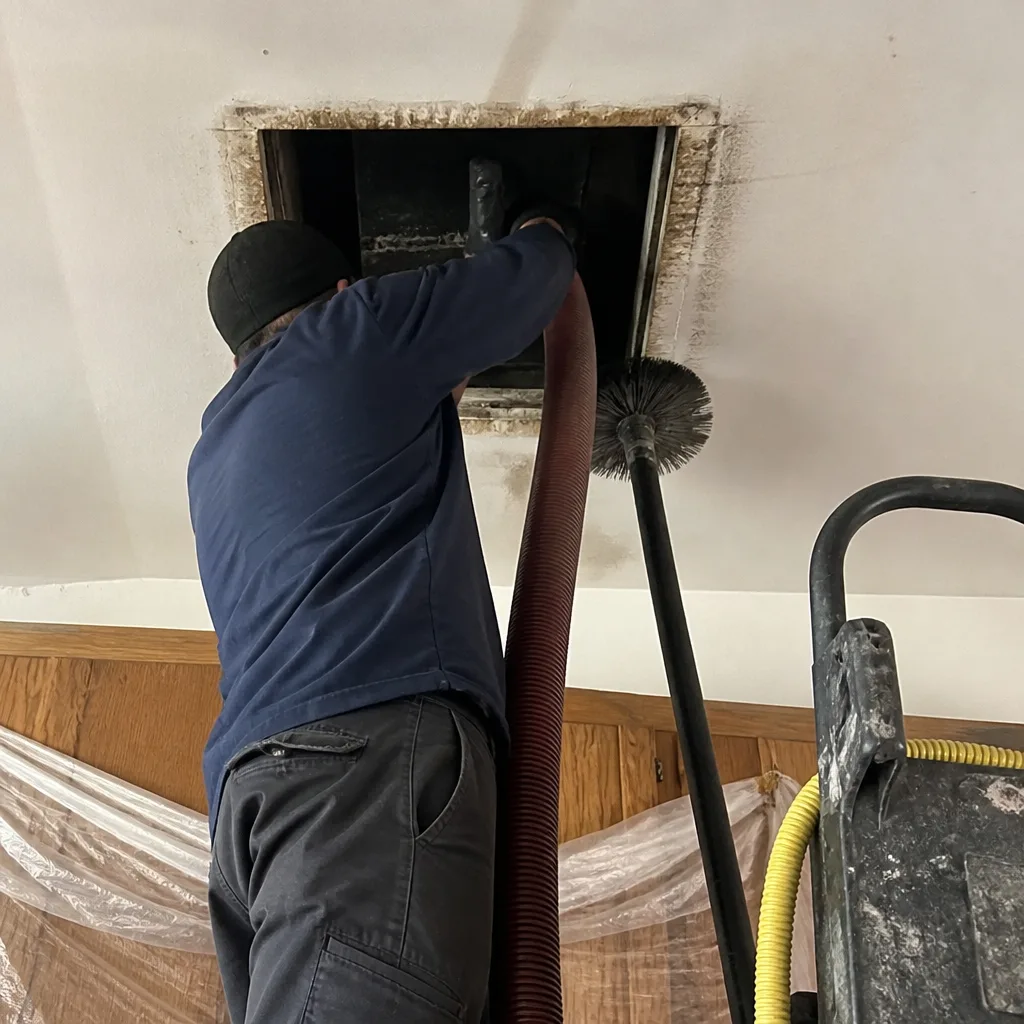 Before
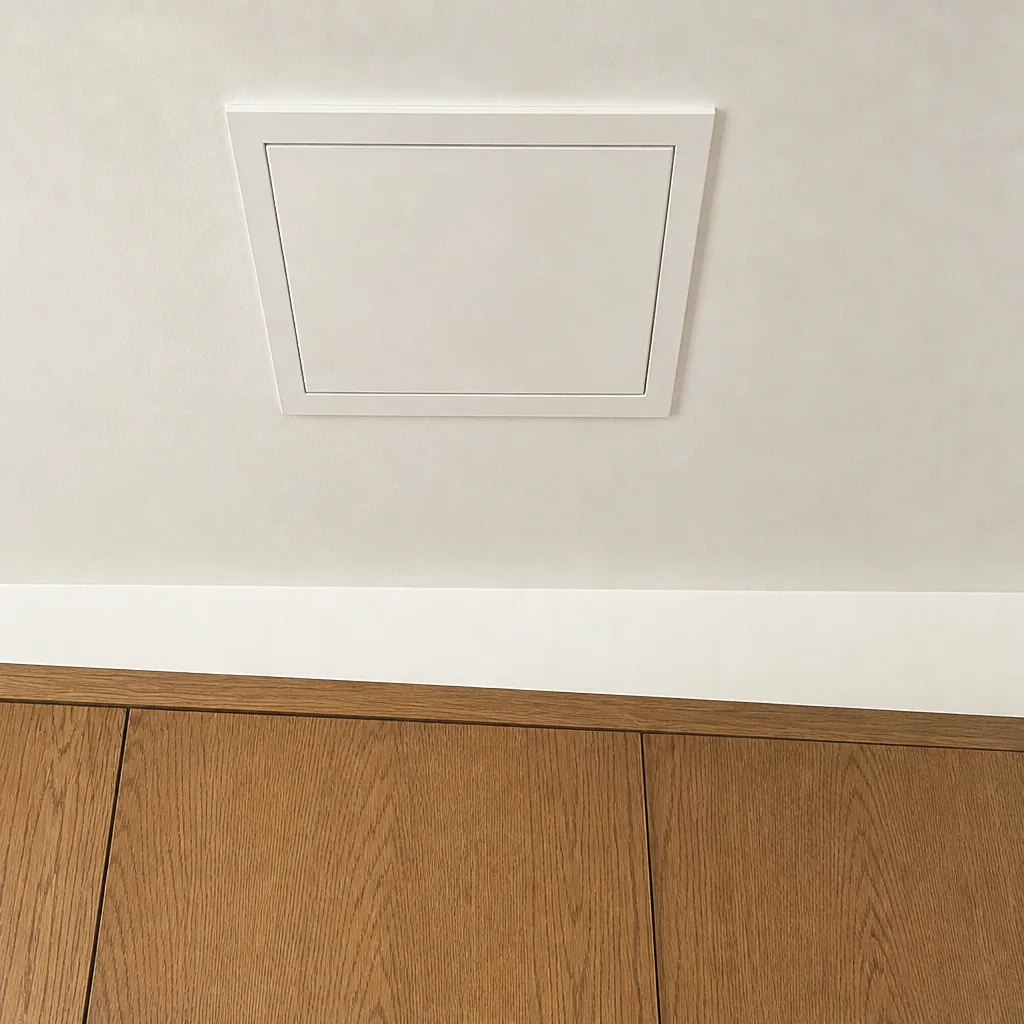 After
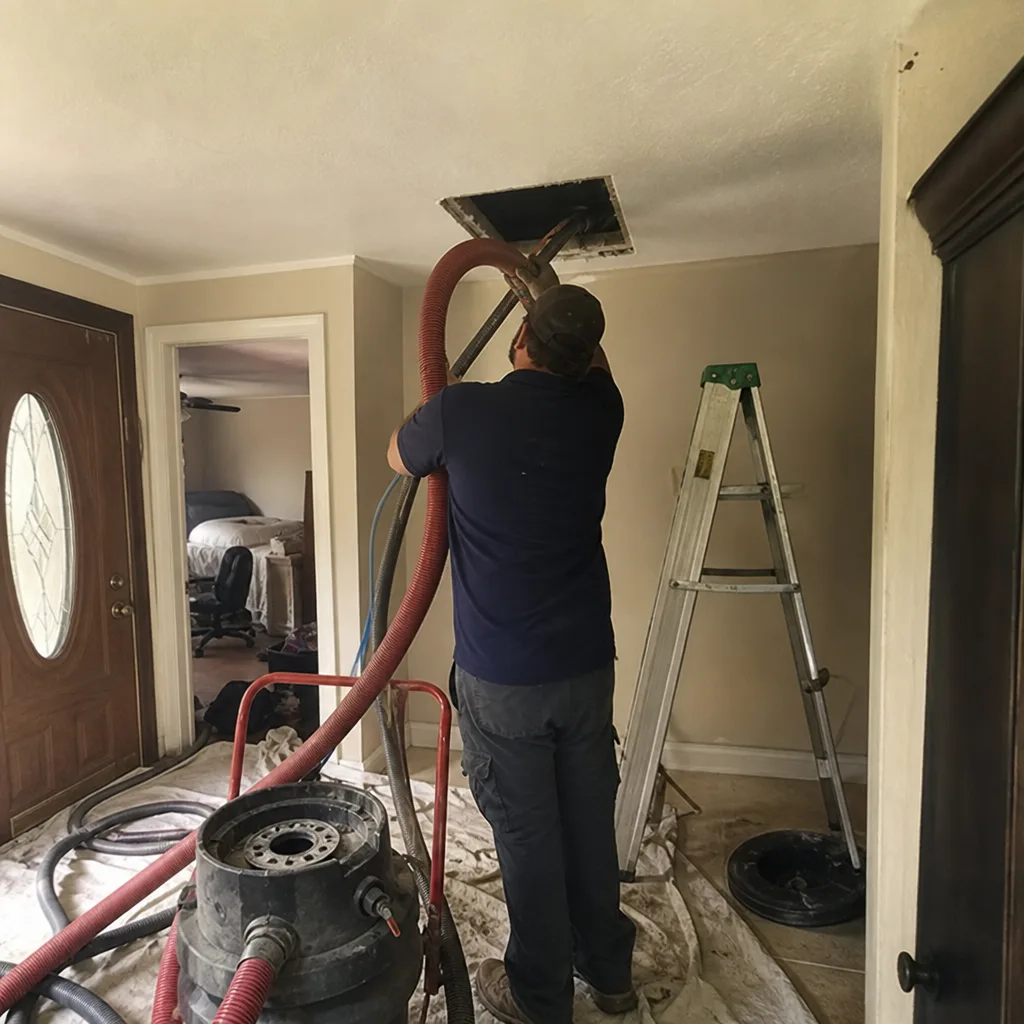 Before
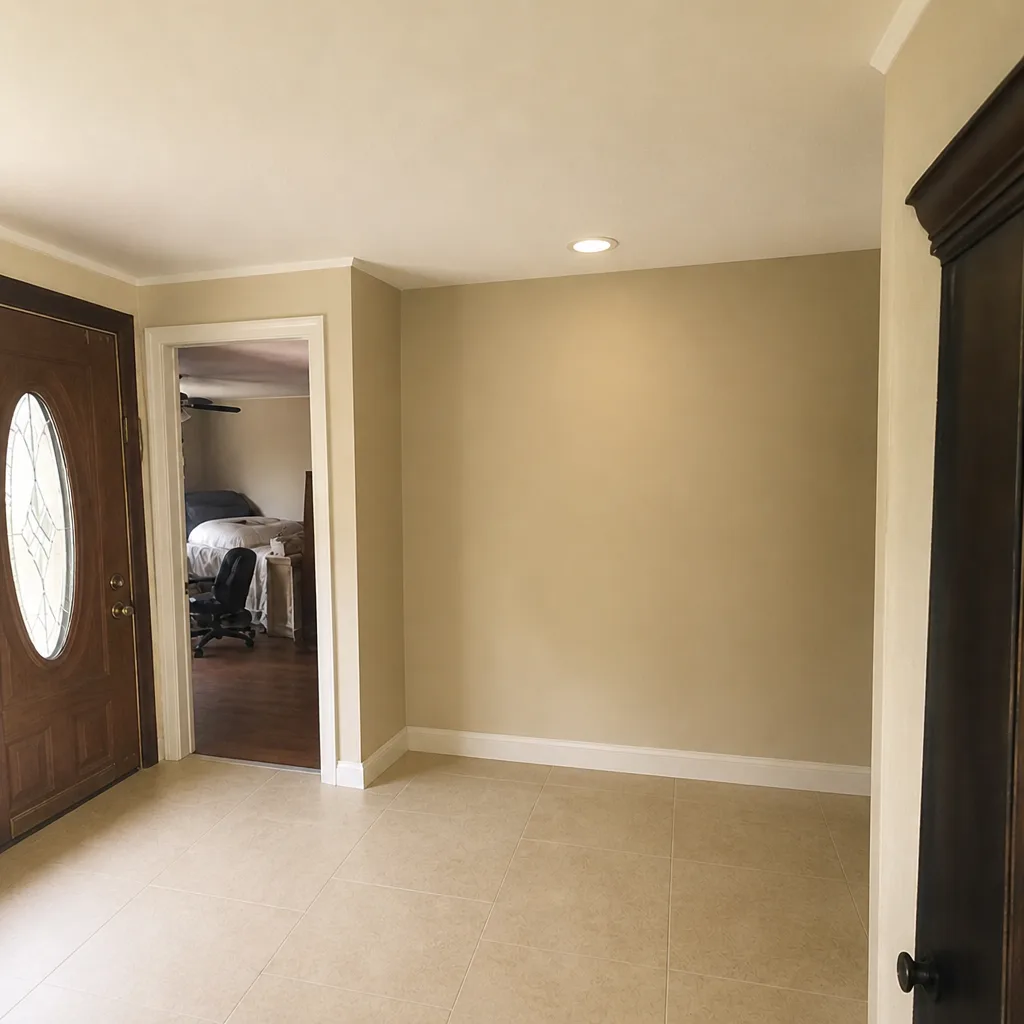 After
 Before
 After