
Last updated November 25, 2026
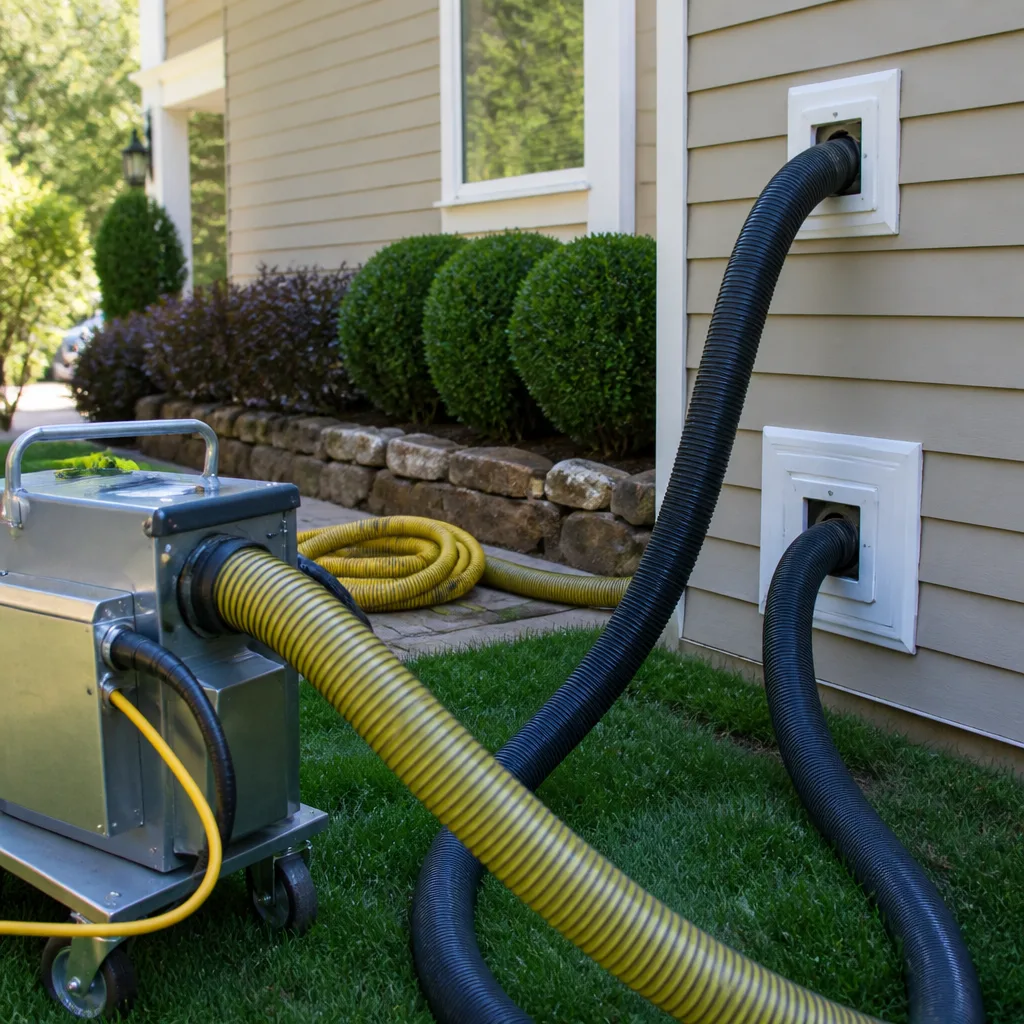 Whole-home duct cleaning
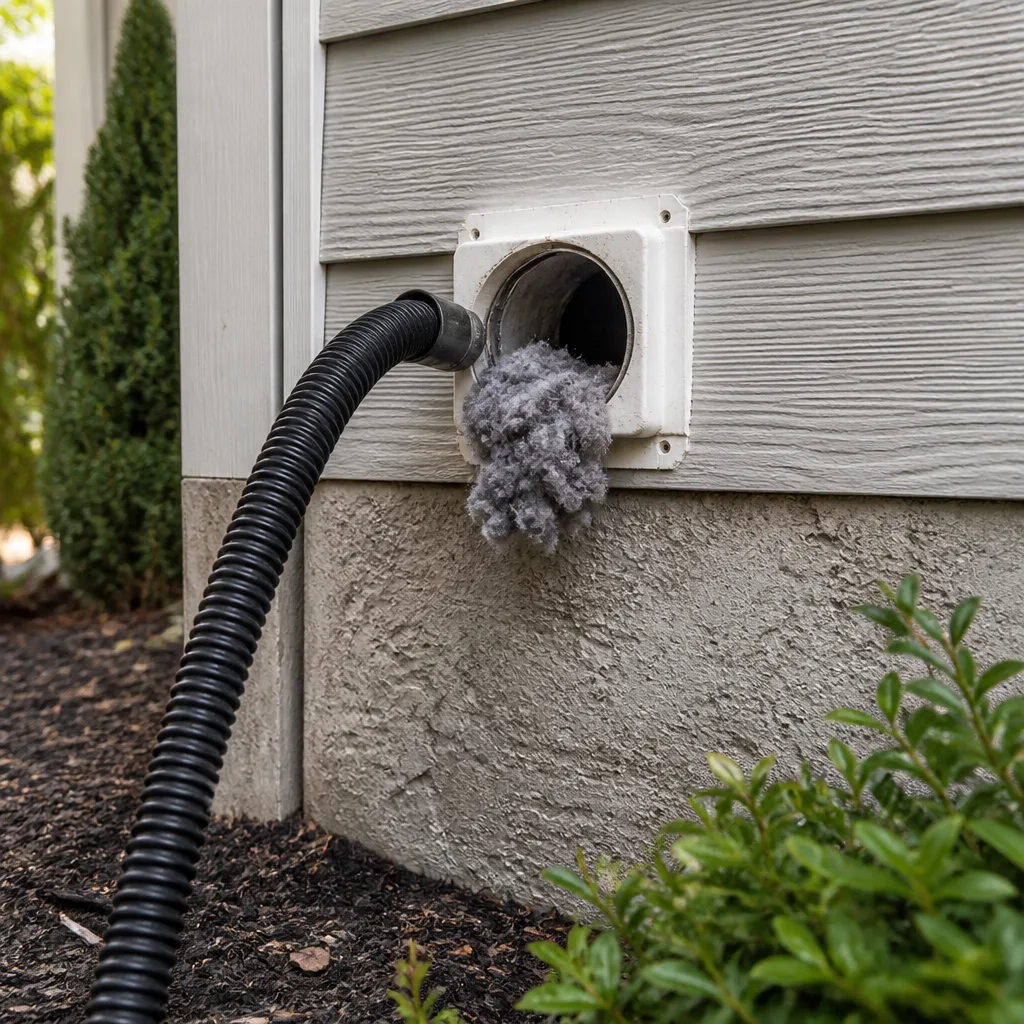 Dryer vent cleaning
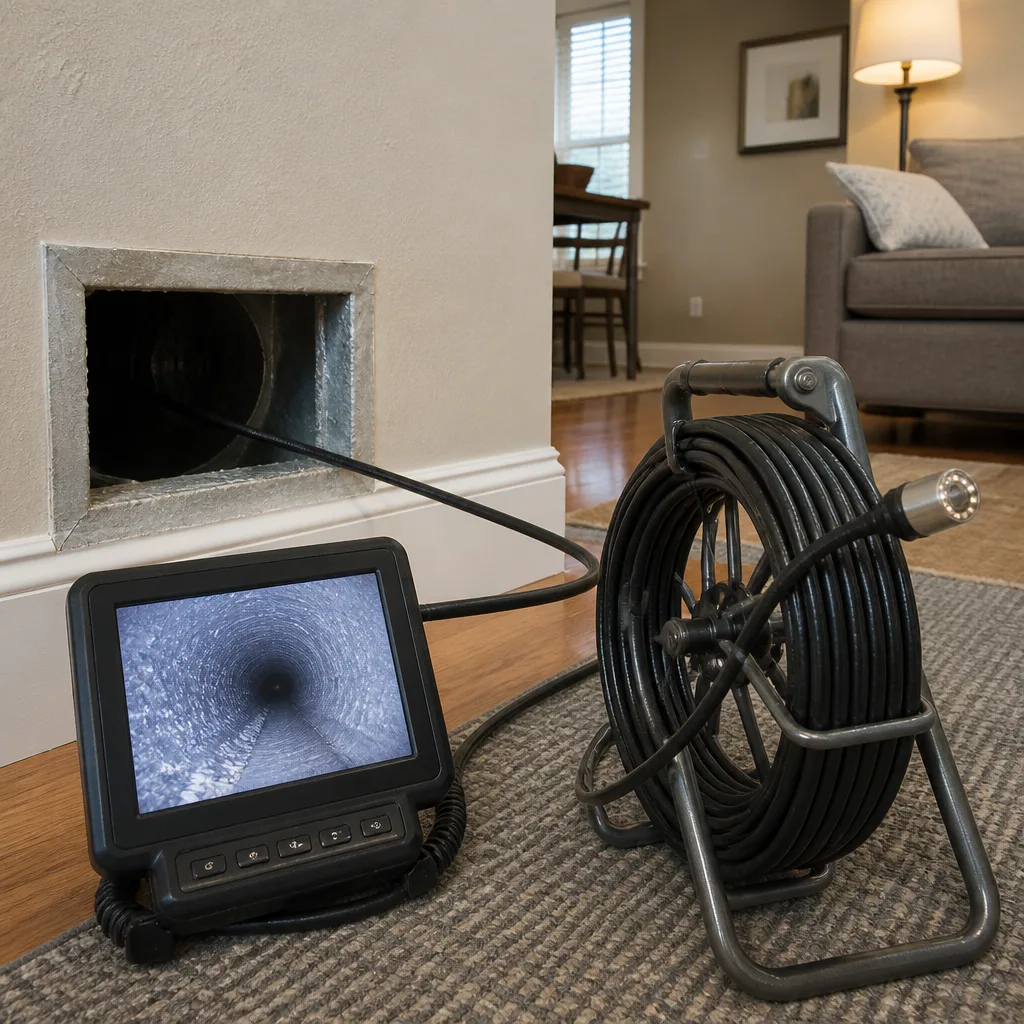 Camera inspection
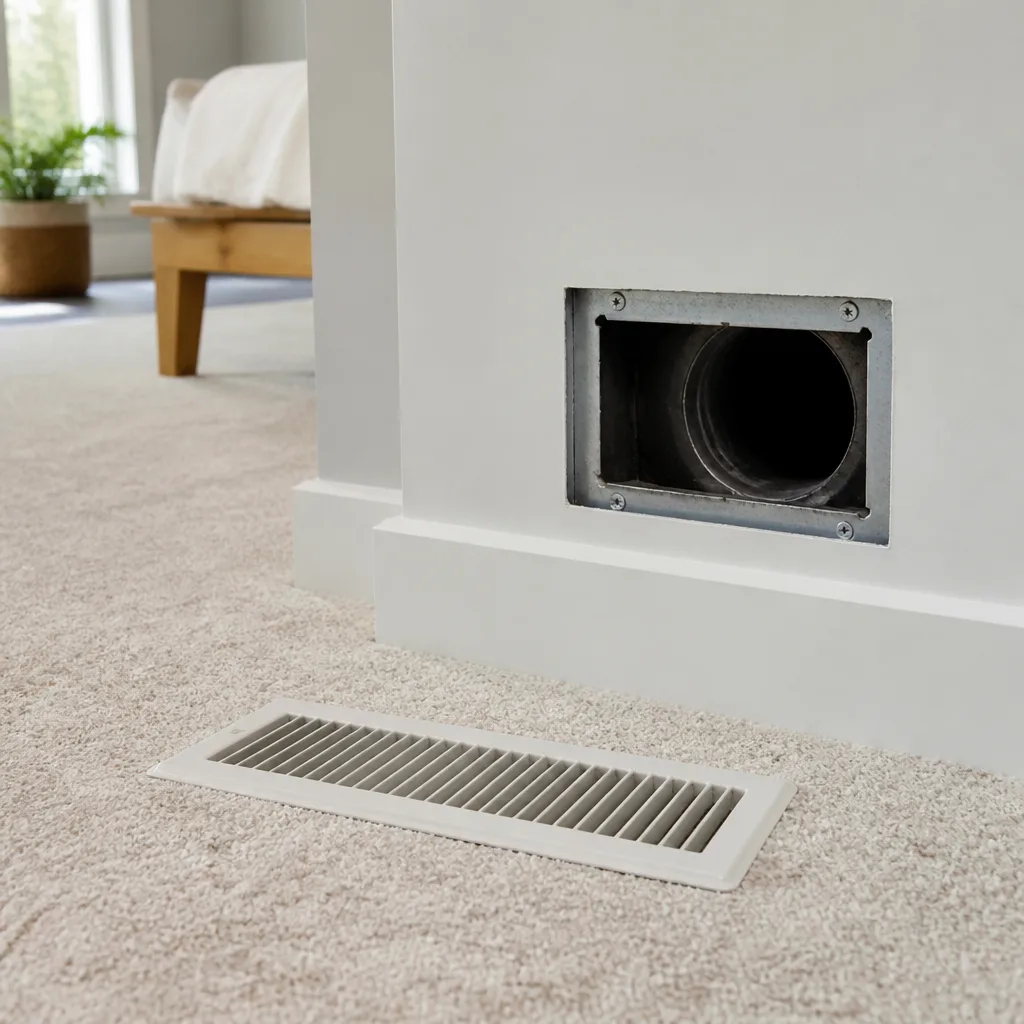 Sanitizing & deodorizing
Whole-system duct and dryer vent check with before-and-after photos - you see exactly what came out of your vents
That "$99 whole-house special" is a bait ad - the real number appears once they are in your hallway, or the "clean" is a shop-vac at the register. We photograph the inside of your ducts before and after instead.
The Complete Guide to Air Duct Cleaning in Kingwood
Most air duct guides are written for Denver or Phoenix. Kingwood averages over 50 inches of rain per year, and that changes everything about what’s growing inside your ductwork. Here, the enemy isn’t just dust – it’s moisture. Gulf Coast humidity seeps into flex duct runs, condenses on cold coils, and feeds biological growth that a standard “blow-and-go” cleaning never touches. Homes built on slab foundations have their own quirks, and the pine pollen that coats every surface each spring finds its way into return plenums first. This guide maps the full system through the lens of what actually goes wrong in Kingwood homes, from the supply vent to the air handler drain pan.
Quick Answer
Air duct cleaning in Kingwood removes built-up dust, pollen, and moisture-driven biological growth from the entire duct system, not just the visible vents. A legitimate job cleans the supply runs, return ducts, plenum box, air handler, and drain pan using professional equipment like Rotobrush and Nikro systems, then verifies the work with photos. In Kingwood’s humid climate, most homes benefit from cleaning every three to five years, and a proper antimicrobial step matters more here than in drier parts of Texas.
Styles & brands we work with
- Whole-home duct cleaning
- Dryer vent cleaning
- Camera inspection
- Sanitizing & deodorizing
Table of Contents
- Why Kingwood Ducts Get Dirtier Than the National Average
- How Humidity and Flex Duct Create Biofilm
- The Plenum Box and Return Air Boot: Kingwood’s Hidden Contamination Zones
- What Professional Equipment Actually Does
- The Post-Storm Renovation Effect on Kingwood Air Quality
- Full System Scope: What a Real Job Includes
- Step-by-Step: How a Kingwood Duct Cleaning Actually Goes
- What Duct Cleaning Costs in Kingwood
Why Kingwood Ducts Get Dirtier Than the National Average
Kingwood sits in one of the wettest parts of Texas. With annual rainfall above 50 inches, the outdoor air here carries far more moisture than what most duct cleaning guides assume. Every time your air conditioner pulls in outside air through the return, it brings that humidity with it. Most of it condenses on the evaporator coil, but some of it travels through the duct system and settles on interior surfaces – especially in flex duct, where the corrugated lining traps moisture in its ridges.
Then there’s the pollen. The pine trees that define much of Kingwood’s landscape release clouds of yellow-green pollen each spring. That pollen doesn’t stay outdoors – it rides in through open windows, door gaps, and the return air grille. Once it lands inside a duct and picks up a little moisture, it becomes a food source for mold and bacteria.
Layer on pet dander, everyday household dust, and the fine particles from cooking, and you have a duct system that loads up faster than the national average. We’ve seen Kingwood homes with visible buildup inside return boots after just a few years, especially in houses with dogs, carpets, or families running the AC nearly year-round.
What makes this a Kingwood problem specifically is the combination:
- High humidity – above-average rainfall keeps outdoor moisture high through most of the year.
- Pine pollen – a heavy seasonal load that settles in return grilles and duct interiors.
- Slab foundations – ductwork runs through the slab or tightly packed attic space, limiting airflow and trapping debris.
- Long cooling season – AC runs for most of the year, so the system stays wet and active.
A home in a drier climate might go five to seven years between cleanings. In Kingwood, three to five years is a more realistic interval for most families, and homes with allergies, pets, or recent renovations may need it sooner.
How Humidity and Flex Duct Create Biofilm
Biofilm is what happens when moisture, dust, and organic particles sit together long enough for microorganisms to establish a colony. It’s not just dust with a little dampness – it’s a living layer that clings to duct walls, and it doesn’t come off with a standard brush-and-vacuum pass.
Flex duct is especially vulnerable. Its interior is corrugated, which means the ridges catch fine particles and hold them against the surface. When humidity from the return air or the surrounding attic condenses on the cool outer layer of the duct, the moisture wicks inward. That’s the starting point for biofilm.
In Kingwood homes, we typically find biofilm in four spots:
- Return ducts – warm, humid air enters here first, and the larger surface area of the return trunk collects more moisture.
- The plenum box – the metal connection between the ductwork and the air handler. It sees constant temperature swings and often has condensation issues.
- The evaporator coil and drain pan – moisture is part of their job, but standing water and organic debris in the pan can seed biological growth that then gets distributed through the system.
- Flex duct runs in the attic – attic humidity in Kingwood can hover at levels that keep the duct surface wet for long stretches.
Handling biofilm takes more than vacuuming. It requires an antimicrobial treatment applied after mechanical cleaning, and equipment capable of reaching the full length of each run. That’s why companies carrying Abatement Technologies equipment – designed for serious contamination scenarios – approach these jobs differently than a general cleaning crew.
If you’re noticing a musty smell when the AC kicks on, or if family members wake up congested in a way that clears once they leave the house, biofilm is a likely culprit. That’s the point where air duct cleaning with a sanitizing step becomes a health job, not just a maintenance one.
The Plenum Box and Return Air Boot: Kingwood’s Hidden Contamination Zones
Most homeowners picture their duct system as the visible vents on the ceiling and floor. The real story happens behind the walls and above the ceiling, in two zones that generic cleaning services routinely skip.
The Plenum Box
The plenum is the large metal chamber that connects your ductwork to the air handler. All the air in your home passes through it – every cubic foot, every cycle. Because it’s metal and sits in direct contact with both the cooled air leaving the coil and the warmer return air entering, it’s prone to condensation. In Kingwood’s humidity, that condensation can be constant through the cooling season.
What accumulates inside a plenum box reads like a catalog of everything wrong with a neglected system: rust scale, dust matted into a felt-like layer, biological growth along the seams, and sometimes debris that fell in during construction and never got removed. Because the plenum isn’t visible, it’s easy for a cleaning crew to “forget” it.
The Return Air Boot
The return air boot is the short duct segment that connects your return grille to the main return trunk. It’s the first thing air passes through when it leaves your living space, which makes it the highest-contamination zone in most Kingwood slab-foundation homes. Every bit of dust, pet hair, and pollen that gets pulled off your floors hits the boot first, and the boot’s interior surface catches it.
In our experience, a return boot in a Kingwood home with pets can accumulate a visible layer of debris within a year or two. A cleaning that skips the boot – or that only vacuums the grille face – leaves the source of the problem in place.
Here’s what a thorough inspection looks at, zone by zone:
- Return grilles and boots – visible debris loading, evidence of moisture, condition of the boot-to-trunk connection.
- Main return trunk – interior buildup, insulation integrity, joint sealing.
- Plenum box – rust, biological growth, seal condition at the air handler flange.
- Air handler interior – coil cleanliness, drain pan condition, blower wheel buildup.
- Supply trunk and branch runs – interior dust, insulation damage, disconnected or crushed sections.
- Supply registers – buildup behind the face, gasket sealing.
A job that touches only items three and four of that list is a partial job. The full-system approach – from the duct opening to the air handler – is what produces a measurable difference in what your family breathes.
What Professional Equipment Actually Does
There’s a meaningful difference between the equipment a professional duct cleaner uses and what a shop vac with a brush attachment can do. The gap shows up in two numbers: airflow and pressure. A shop vac moves maybe 100 to 200 cubic feet per minute (CFM) with almost no static pressure to move debris that’s adhered to duct walls. Professional negative air machines run at 5,000 CFM or higher, creating enough suction to pull loosened material out of the full length of a duct run and capture it in a HEPA-filtered containment.
That difference matters because duct cleaning is a two-part job: you have to agitate the debris off the duct wall, then you have to evacuate it. A brush alone agitates. A vacuum alone evacuates. You need both working together, which is what systems like Rotobrush and Nikro are designed to do – they combine a rotary brush or air whip with high-CFM negative pressure and HEPA filtration so the debris leaves the system instead of drifting into your living room.
Here’s the honest comparison:
- Shop vac + brush: low airflow, no HEPA containment, agitation only at the reach of the hose. Fine for a surface pass, not for the plenum, return trunk, or a full run.
- Rotobrush and Nikro systems: high-CFM negative air, HEPA-filtered containment, rotary agitation that reaches the full length of each run, camera inspection available to verify results.
- Abatement Technologies equipment: built for contamination-level jobs – mold, allergens, post-renovation debris – where standard cleaning equipment isn’t sufficient.
We’ve seen the difference between a halfway job and a full-system job enough times to know it comes down to equipment. A company that shows up with a shop vac isn’t equipped to clean a Kingwood duct system in wet, humid conditions. The professional gear is the baseline – not a luxury upgrade.
The Post-Storm Renovation Effect on Kingwood Air Quality
Kingwood has been through two major flood events in the past two decades: Hurricane Ike in 2008 and Hurricane Harvey in 2017. Both caused widespread home flooding, and both triggered waves of renovation work – drywall replacement, flooring, cabinetry, insulation. Many of those homes are still occupied by the same families today.
Here’s what renovation does to a duct system. Construction generates an enormous amount of fine particulate – drywall dust, sawdust, insulation fibers, adhesive fumes. If the HVAC system runs during or right after renovation (and it usually does, because Kingwood summers are brutal without AC), that particulate gets pulled into the return air and distributed throughout the duct network. Years later, those homes still have elevated spore loads and settled construction dust in places a standard cleaning pass won’t reach.
Flood-remediated homes have an additional issue. Even when a home is properly dried and rebuilt, moisture can linger in enclosed spaces – under floor coverings, behind new drywall in the same wall cavity, inside the stud bays the duct runs through. If the ducts weren’t replaced or professionally cleaned during the rebuild, they’re often the last remaining reservoir of contamination from the original event.
For homes that went through either event, the right approach is more thorough than a routine cleaning:
- Inspection first – a camera pass through the main trunks and returns to identify biofilm, settled debris, or damaged duct sections.
- Full mechanical cleaning – every run, from the register to the plenum, with high-CFM negative air and agitation.
- Antimicrobial sanitizing step – applied after cleaning to address elevated spore loads. Standard cleaning alone doesn’t accomplish this.
- Repair and seal – any disconnected joints, crushed runs, or gaps that allowed construction dust to enter in the first place.
If your Kingwood home was renovated after Ike or Harvey and the ducts haven’t been touched since, that’s the single biggest reason to schedule an inspection, even if the home feels comfortable day to day.
Full System Scope: What a Real Job Includes
The difference between a legitimate duct cleaning and a bait-and-switch $99 special shows up in what actually gets touched. A real job covers the full system. A cut-rate job covers the vents and the parts of the trunk that are easy to reach.
Here’s the checklist we use as the standard for every job we connect Kingwood homeowners with:
What Should Be Cleaned
- Every supply register – face removed, boot cleaned, register cleaned and reinstalled.
- Every supply run – full-length agitation and extraction with rotary brush or air whip.
- Supply trunk – cleaned with high-CFM negative air connected to the system.
- Every return grille and boot – the highest-contamination zone in most Kingwood homes.
- Return trunk – the large duct that feeds the air handler, cleaned end to end.
- Plenum box – cleaned, inspected for rust and biological growth, seals checked.
- Air handler interior – coil, blower wheel, and drain pan cleaned. Drain pan flush is a must in Kingwood humidity.
- Dryer vent – if the ductwork is being cleaned, the dryer vent should be cleaned in the same visit. It’s a fire-safety service and a leading cause of residential house fires.
What Should Be Inspected and Reported
- Photo documentation before, during, and after – the homeowner sees what the technician saw.
- Condition of flex duct at each run: crushed, kinked, disconnected, or torn sections.
- Seal integrity at plenum, trunk connections, and register boots.
- Moisture or biological growth evidence – not just “clean it and move on.”
- Air handler drain line condition and drain pan for standing water.
- Filtration setup – the filter you’re running is either helping or hurting the entire system.
What Should Be Verified
- Debris volume collected – a legitimate job produces visible collection in the HEPA containment.
- Photo comparison of each zone, before and after.
- A written summary of what was cleaned, what was found, and what (if anything) needs follow-up.
- Any duct repair or sealing work documented separately, with the cost agreed before the repair began.
If a company won’t show you before-and-after photos of your own ducts, that’s the clearest sign the work wasn’t done the way it should have been.
Step-by-Step: How a Kingwood Duct Cleaning Actually Goes
A professional cleaning follows a predictable sequence. Here’s how a full-system job runs, in order:
- Walkthrough and inspection. The technician locates the air handler, maps the duct layout, and checks return and supply counts. This is where the scope is set and the written estimate is confirmed.
- System protection. Registers removed and set aside. Floor and furniture protection placed. Negative air containment connected to the air handler or a duct connection point so debris is captured and doesn’t drift into the living space.
- Return-side cleaning. Return grilles and boots cleaned first. Return trunk and plenum cleaned with high-CFM vacuum and agitation. This is the heaviest-debris stage in Kingwood homes.
- Air handler cleaning. Coil and blower inspected and cleaned. Drain pan flushed, drain line checked. This is where the biological growth often lives, so an antimicrobial treatment is applied at this stage if contamination was found.
- Supply-side cleaning. Every supply run cleaned with rotary brush or air whip connected to the negative air system. Each register boot cleaned.
- Sanitizing step. Antimicrobial fogging applied through the duct system after mechanical cleaning – especially important for homes with moisture history or renovation history.
- Verification and photo report. Camera inspection, before-and-after photos, and a written summary of findings. Registers reinstalled and airflow verified at each.
- Repair and sealing if needed. Disconnected joints, crushed runs, or gaps around boots sealed with mastic or foil tape so the system stays clean and doesn’t leak. Sealing is what prevents re-contamination – cleaning without it is a temporary fix.
Most Kingwood homes are done in a single visit, and the price the technician quoted at step one is the price you pay. One flat price per system, agreed before any work starts.
What Duct Cleaning Costs in Kingwood
Duct cleaning in Kingwood is priced per system, not per vent. Per-vent pricing is the most common bait-and-switch pattern in the industry – a low headline number that balloons once the technician is on-site counting your vents. A whole-system estimate gives you a real number before the work starts, and it’s what the written estimate should reflect.
Here’s how the typical cost breaks down for a Kingwood home:
| Service | Typical Estimate Range | What It Covers |
|---|---|---|
| Full air duct cleaning | $500 – $1,100 | All supply and return runs, plenum, boots, registers, photo verification |
| HVAC and air handler cleaning | $250 – $500 | Coil, blower wheel, drain pan, housing interior |
| Duct sanitizing add-on | $150 – $350 | Antimicrobial fogging after mechanical cleaning, whole system |
| Duct repair and sealing | $300 – $900 | Reconnecting or replacing flex runs, sealing joints and boots, mastic at seams |
| Dryer vent cleaning | $130 – $250 | Full-length vent, lint trap to exterior termination, blockage removal |
Those ranges are estimates only. Every home is different – the number of runs, attic access, whether the ducts are flex or rigid metal, and whether repair work is needed all shift the final number. The written estimate sets the final price, and that’s the number that matters.
Kingwood homes over 3,000 square feet with two HVAC systems often run toward the upper end of the air duct range because there are two systems to clean, not one. Homes with a single system and standard layout usually sit in the middle. Renovated homes needing the sanitizing step and some repair work can top the upper end, but the technician quotes it all up front.
If any estimate comes with a promise of a low teaser price, or a per-vent number that gets multiplied once the technician arrives, ask for the whole-system flat quote in writing before work starts. That’s the honest comparison.
Common Mistakes to Avoid
- Hiring on price alone. A low headline price usually means vents-only cleaning – the plenum, return trunk, and air handler get skipped. Ask for a written full-system scope before you compare quotes.
- Skipping the return air boot. It’s the single highest-contamination zone in most Kingwood slab-foundation homes. If a crew doesn’t pull the return grille and clean behind it, they missed the main deposit.
- Cleaning without sanitizing in a humid climate. In Kingwood, mechanical cleaning alone can leave biofilm residue in place. The antimicrobial step is what addresses the moisture-driven growth, especially in flex duct and the drain pan.
- Ignoring duct sealing. A cleaned system with disconnected boots and unsealed plenum joints re-contaminates fast. Every gap pulls in attic or wall-cavity air loaded with dust and insulation fibers.
- Assuming renovation leaves ducts clean. Kingwood homes that went through Ike or Harvey renovations often have years of settled construction dust in the return trunks. A standard cleaning pass without an inspection misses the deposits that were never disturbed.
- Not asking for photos. A legitimate job produces before-and-after photos of your own ducts – if a company won’t show you, they didn’t do the work.
- Skipping the dryer vent. Dryer vent cleaning is a fire-safety service, not a comfort maintenance item. Lint buildup in the vent is a leading cause of residential house fires, and it’s often ignored until it becomes a problem.
See the difference
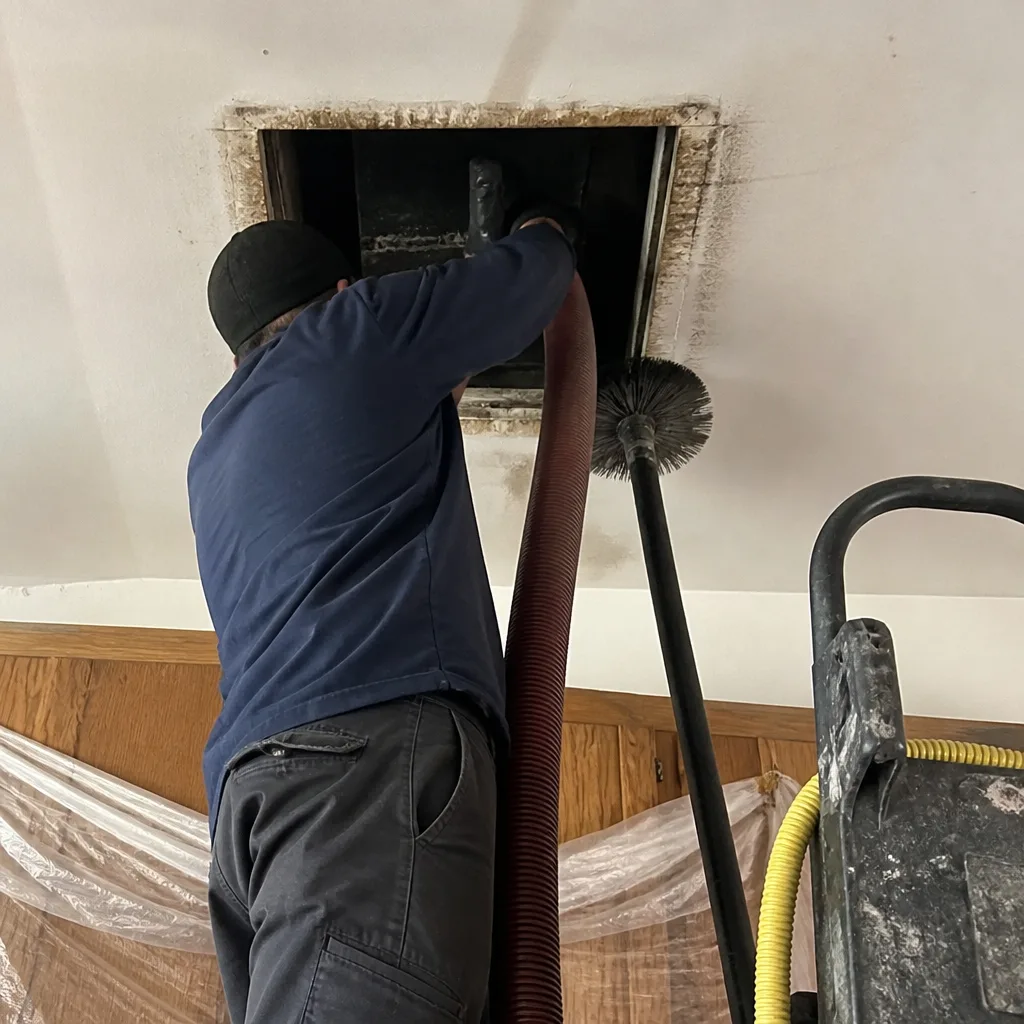 Before
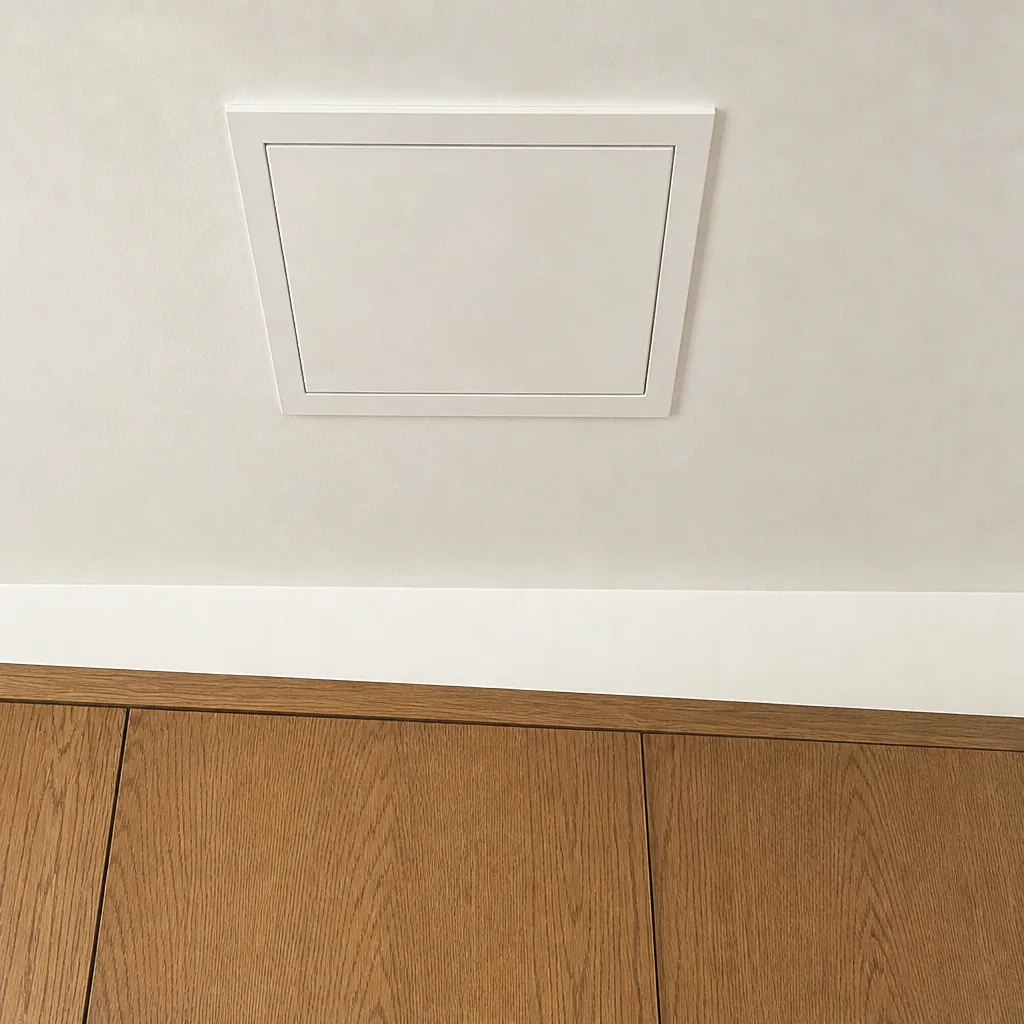 After
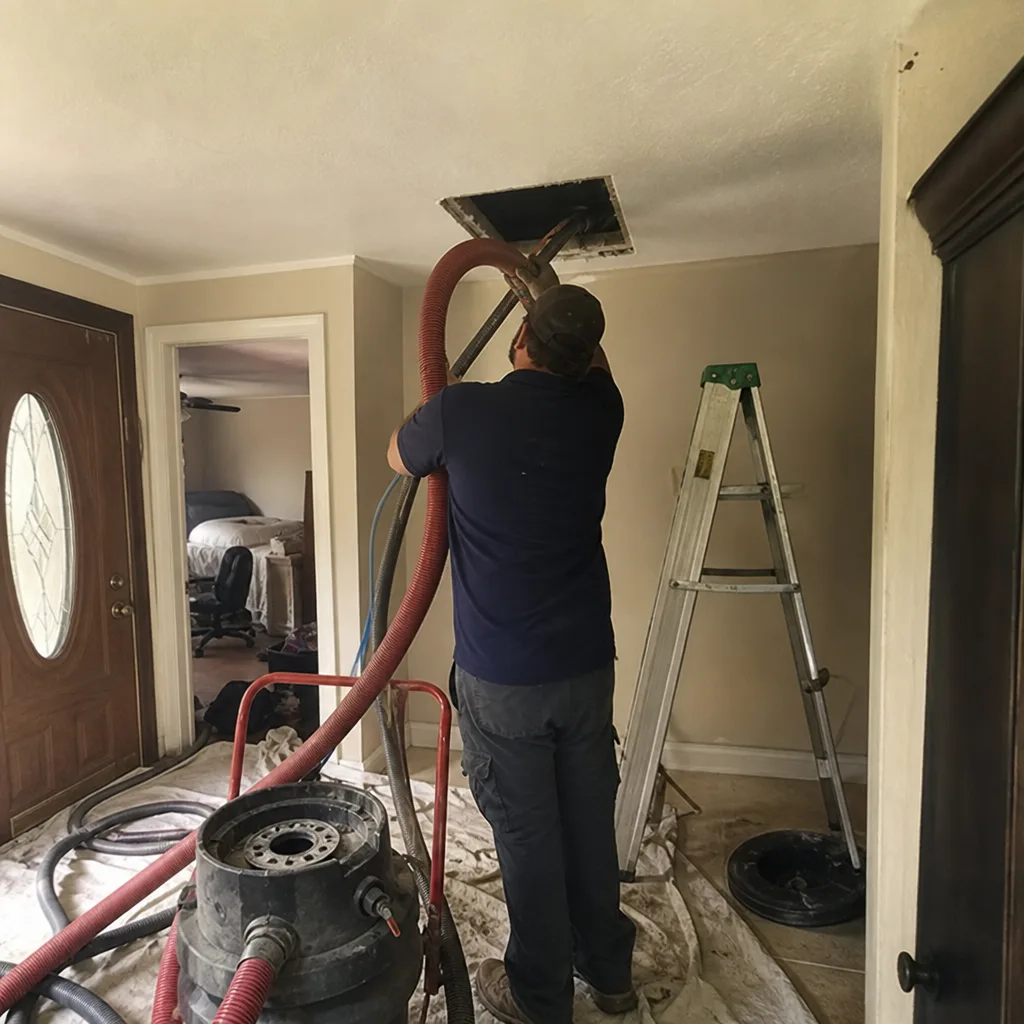 Before
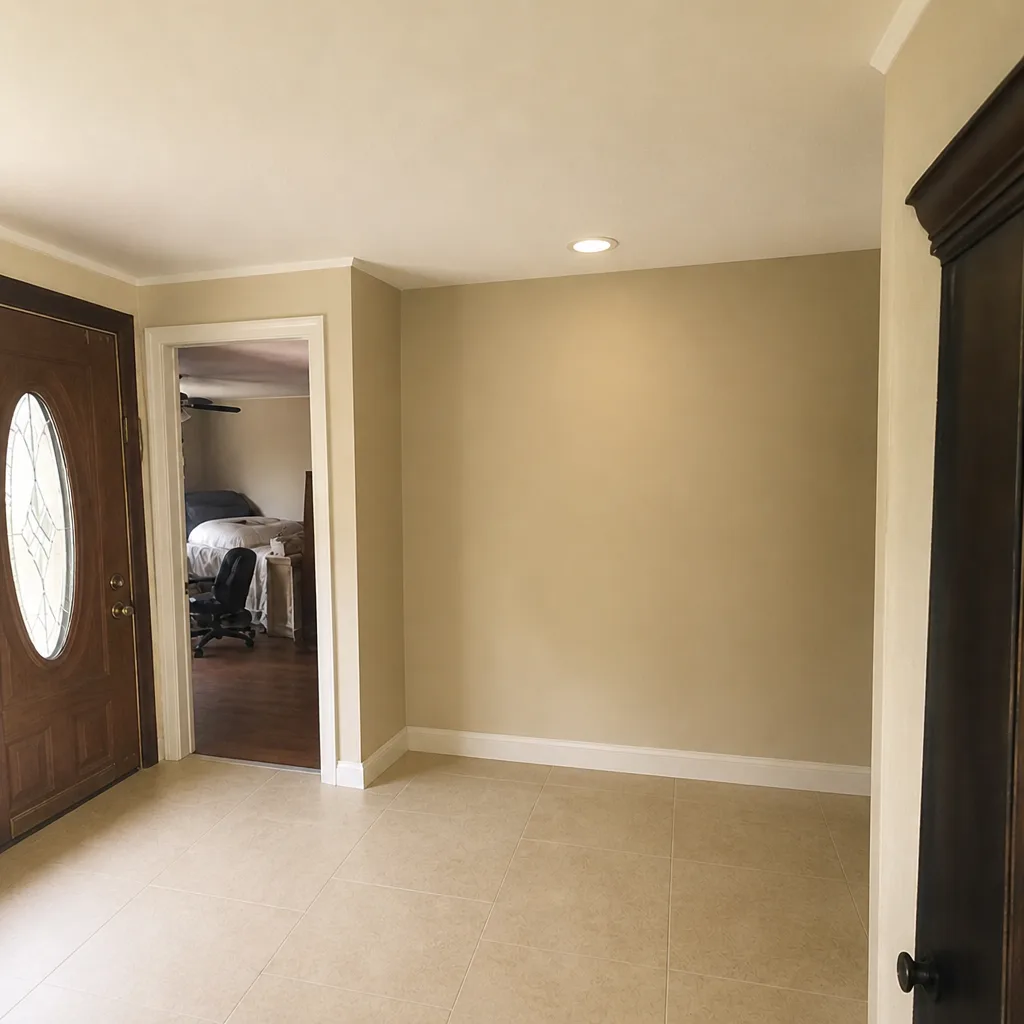 After
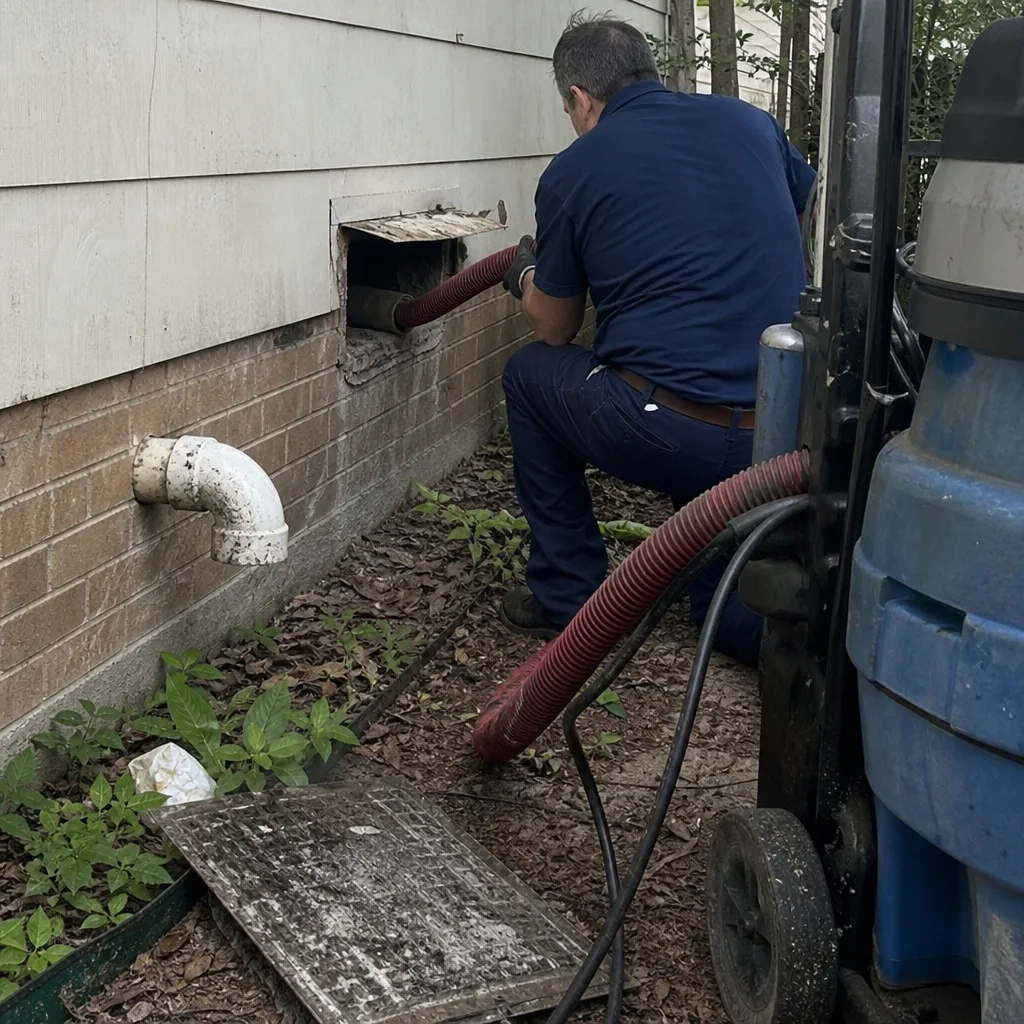 Before
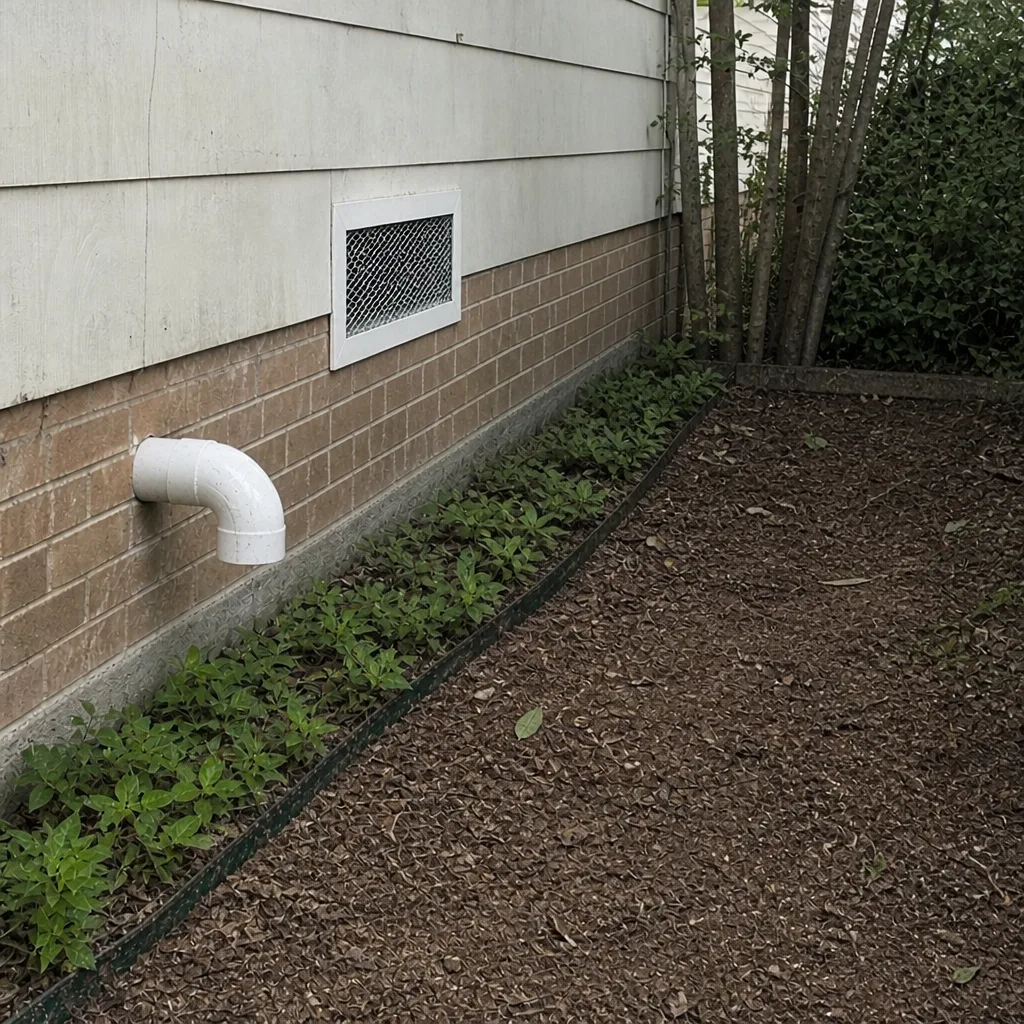 After
When to Call a Professional
Some situations call for a professional inspection rather than waiting for the next interval. If any of the following apply, it’s time to schedule:
- You’ve just moved into a home and don’t know its duct history.
- Someone in the household has allergies, asthma, or respiratory sensitivity that improves when they’re away from home.
- You’ve completed a renovation, or your home was built or remodeled after a flood event.
- You’re seeing visible dust blow out of a supply register when the system starts.
- There’s a musty or dusty smell when the air conditioner kicks on, especially in Kingwood’s humid months.
- Your dryer is taking longer to dry clothes, or the exterior vent has visible lint accumulation.
- You’ve never had the system cleaned, and the home is older than five years.
Kingwood Air Duct Cleaning Co offers free estimates in Kingwood – call (833) 991-7731. We answer 24/7. Fast dispatch from 7am to 7pm, Sunday through Friday.
If your ducts are clean but the air handler or dryer vent is overdue, HVAC cleaning and dryer vent cleaning can be scheduled in the same visit – one company for every airflow problem in the home.
Frequently Asked Questions
A full-system air duct cleaning in Kingwood typically falls in the $500 to $1,100 range, priced per system rather than per vent. The written estimate sets the final price, and it’s agreed before any work starts. Call (833) 991-7731 for an exact quote – estimates are free.
For most Kingwood homes, cleaning every three to five years is a realistic interval – a bit more often than the national average, because of the humidity and pine pollen load. Homes with pets, allergy sufferers, or a renovation in their history may need it more frequently. The best answer is to have the system inspected and let the condition of the ducts, not the calendar, guide the decision.
Cheap quotes usually mean a partial job – vents-only surface cleaning, no plenum or return trunk, no photo verification, no sanitizing step. The technician shows up, vacuums the visible vents, and leaves. A full-system quote covers every run, the plenum box, the air handler, and photo documentation. Compare scope, not just the dollar figure.
Ask for before-and-after photos of your own ducts – not stock photos, not examples from another job. A legitimate cleanup produces visible debris collection in the HEPA containment, and the technician should be able to walk you through a written summary of what was cleaned. If a company won’t show you your own ducts, the work wasn’t done the way it should have been.
Yes. Kingwood homes that went through Ike or Harvey renovations often have settled construction dust and elevated spore loads that standard cleaning misses without an antimicrobial step. If the ducts weren’t addressed during the rebuild, they’re likely the last reservoir of contamination in the house.
Yes. Dryer vent cleaning is part of the same visit and one of the five services the local pro handles, alongside air duct cleaning, HVAC cleaning, and duct repair and sealing. It’s a fire-safety service, and it’s worth doing on the same day as the duct work if it’s been more than a year.
Every supply and return register, every supply run, the supply trunk, every return grille and boot, the return trunk, the plenum box, and the air handler interior including coil, blower wheel, and drain pan. If your duct system is in Kingwood, that full scope is what separates a real job from a vent cleaning.
It does. Kingwood gets over 50 inches of rain a year, and that outdoor moisture rides in through the return air. In flex duct, it settles into the corrugated lining and feeds biological growth. An antimicrobial step after mechanical cleaning is not optional in this climate – it’s the part that handles what brushing alone can’t.
The Bottom Line
Kingwood’s climate writes its own rules for duct cleaning. High humidity, pine pollen, and slab-foundation construction give local homes contamination patterns that generic guides don’t address – and that means the plenum box, return air boots, drain pan, and sanitizing step matter more here than the national playbook suggests. A real job cleans the full system from register to air handler, uses professional equipment like Rotobrush and Nikro with genuine high-CFM negative air, and ends with photos of your own ducts. Ask for a flat per-system price before work starts, insist on a written scope, and let Kingwood Air Duct Cleaning Co connect you with a local pro who does the full job, not the vent cleaning. Call (833) 991-7731. We answer 24/7. Fast dispatch from 7am to 7pm, Sunday through Friday. Estimates are free, and the price is set per job by the written estimate.
Written by the team at Kingwood Air Duct Cleaning Co.