
Last updated November 25, 2026
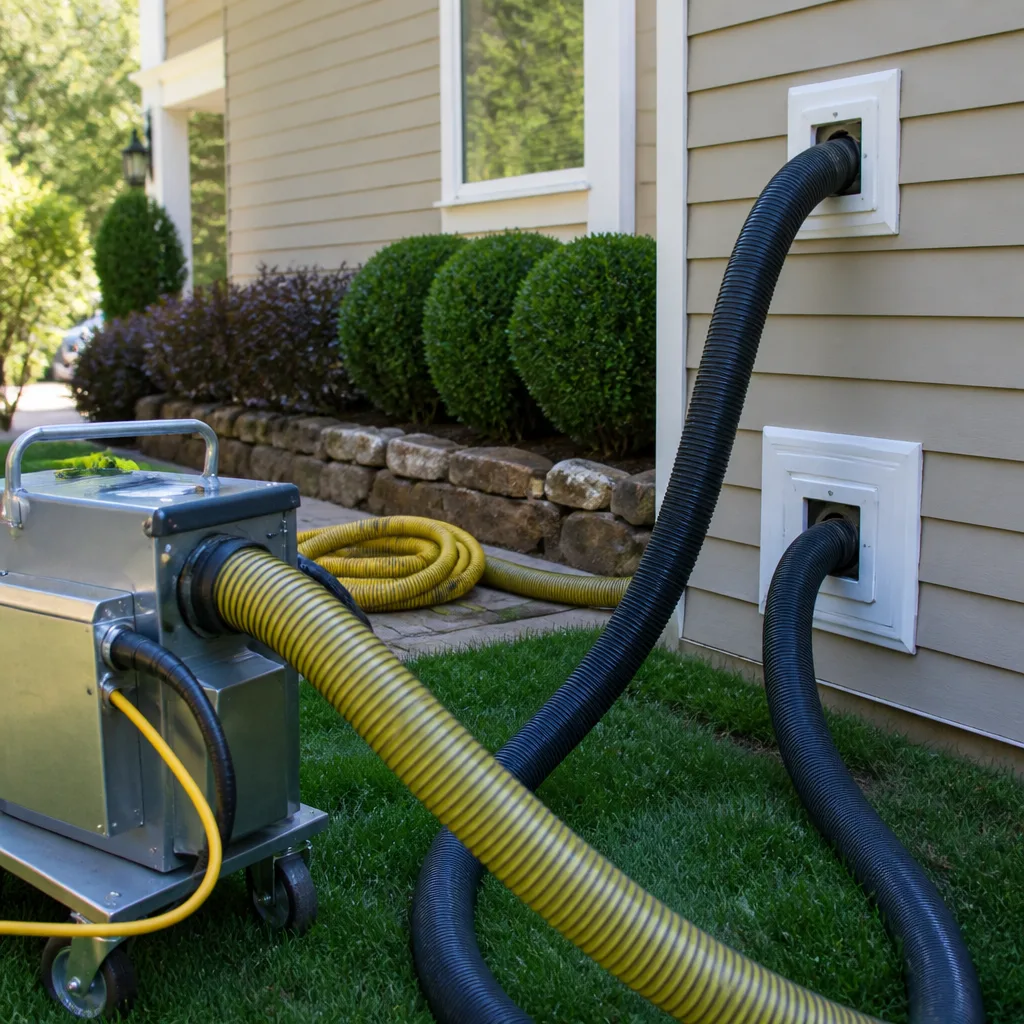 Whole-home duct cleaning
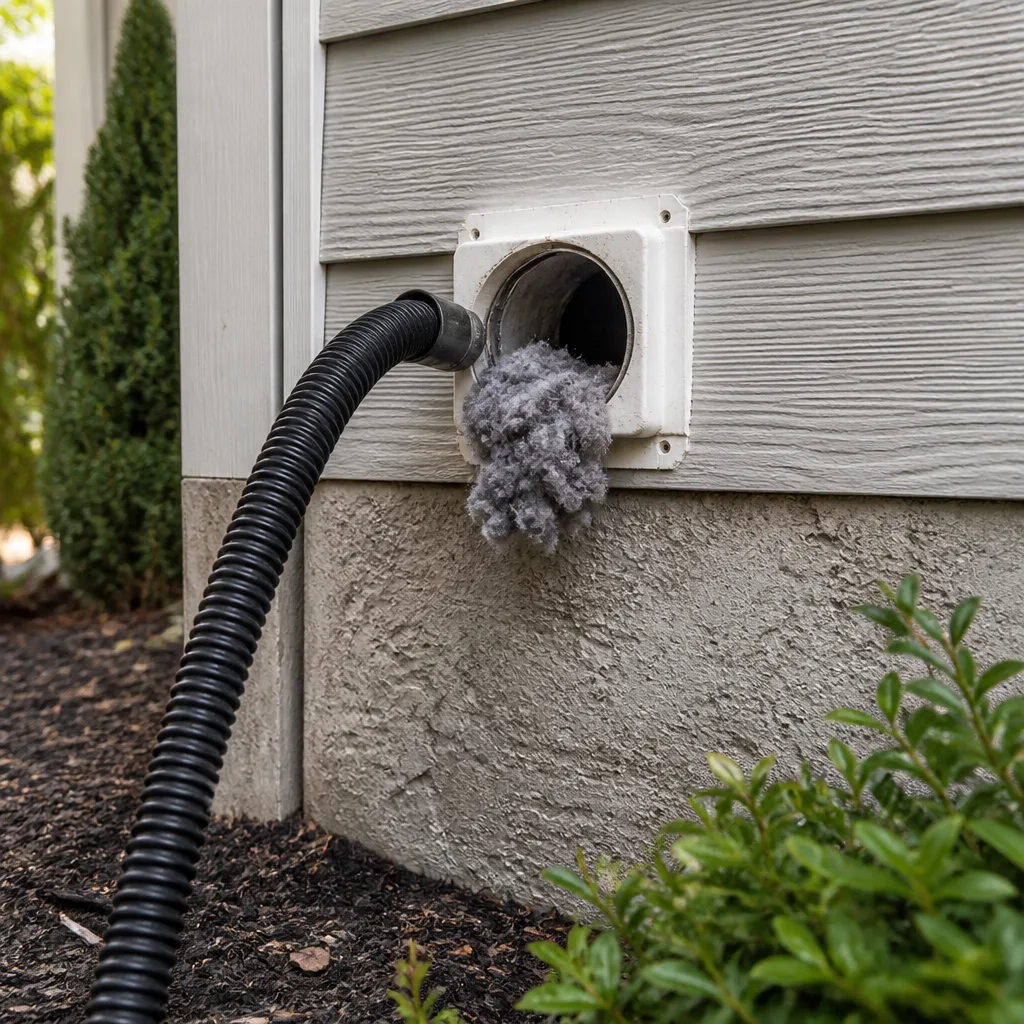 Dryer vent cleaning
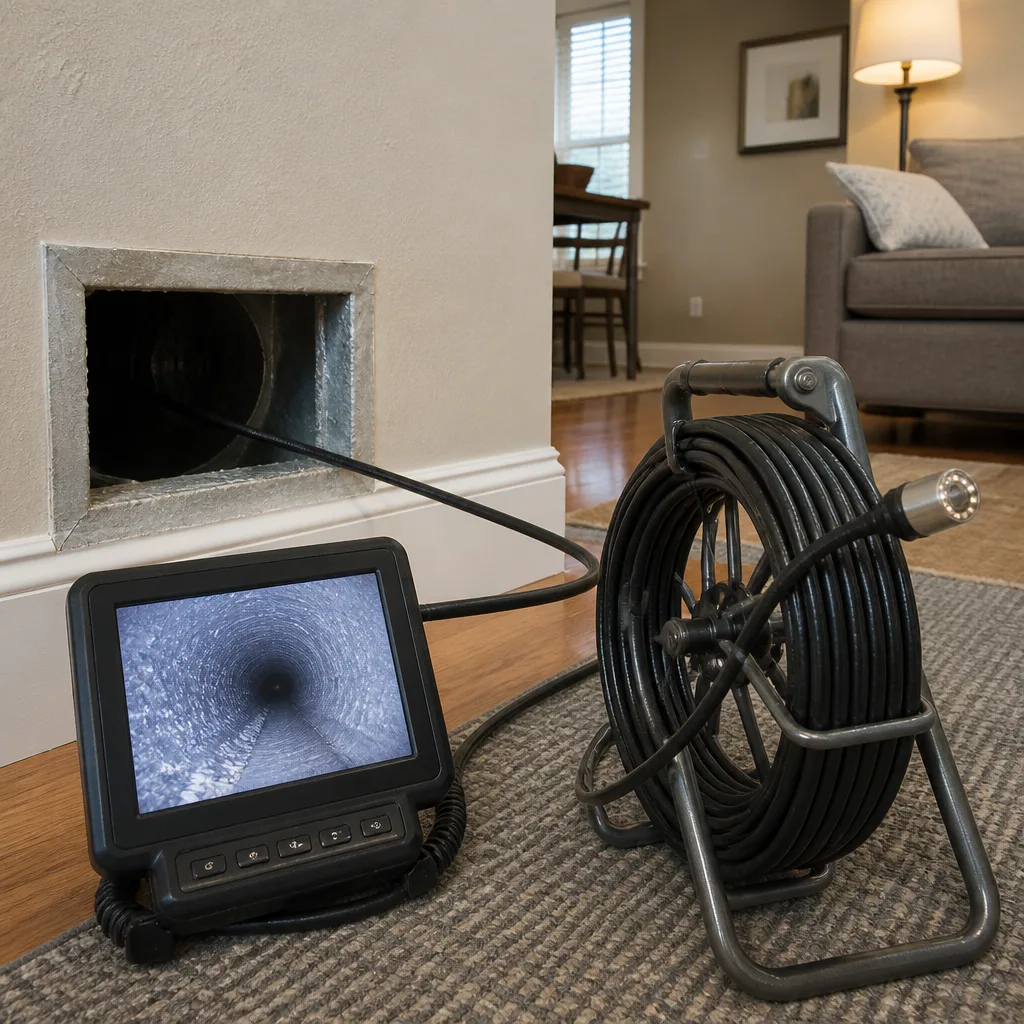 Camera inspection
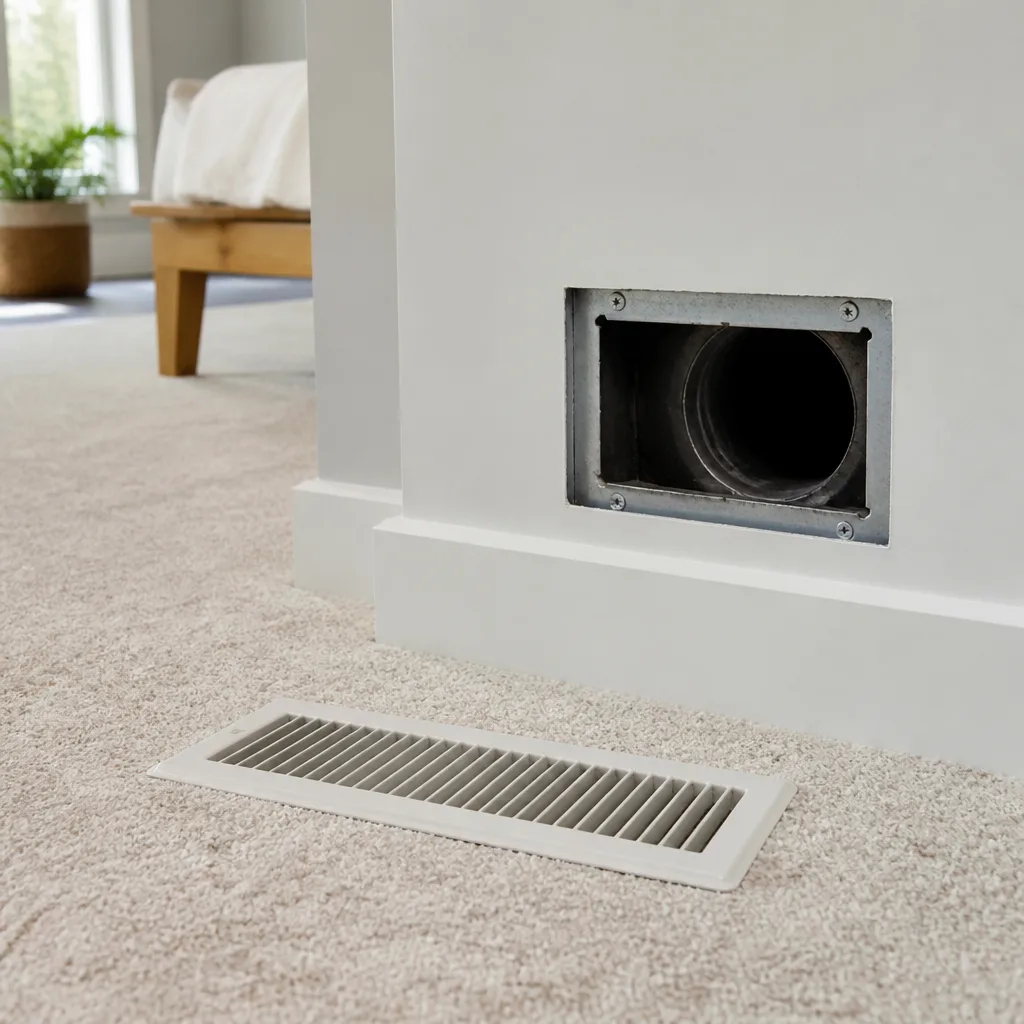 Sanitizing & deodorizing
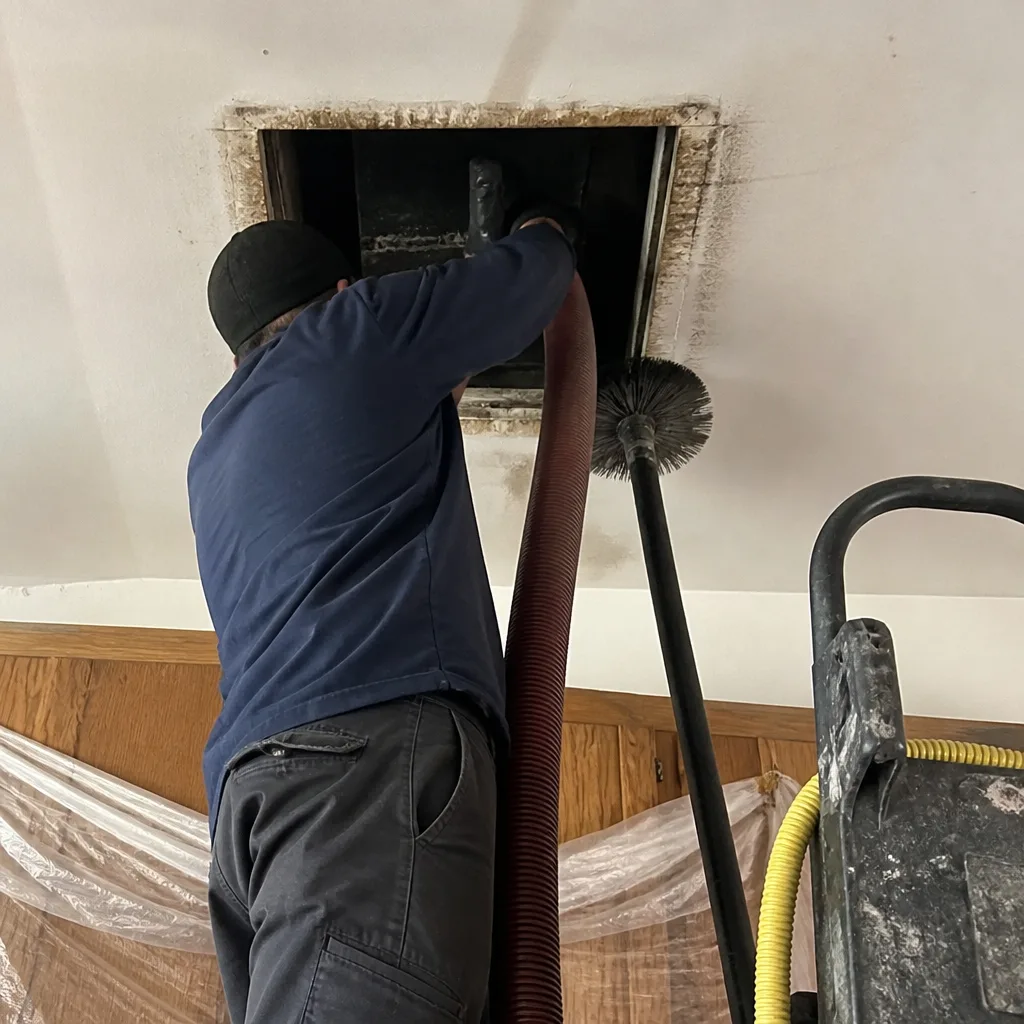
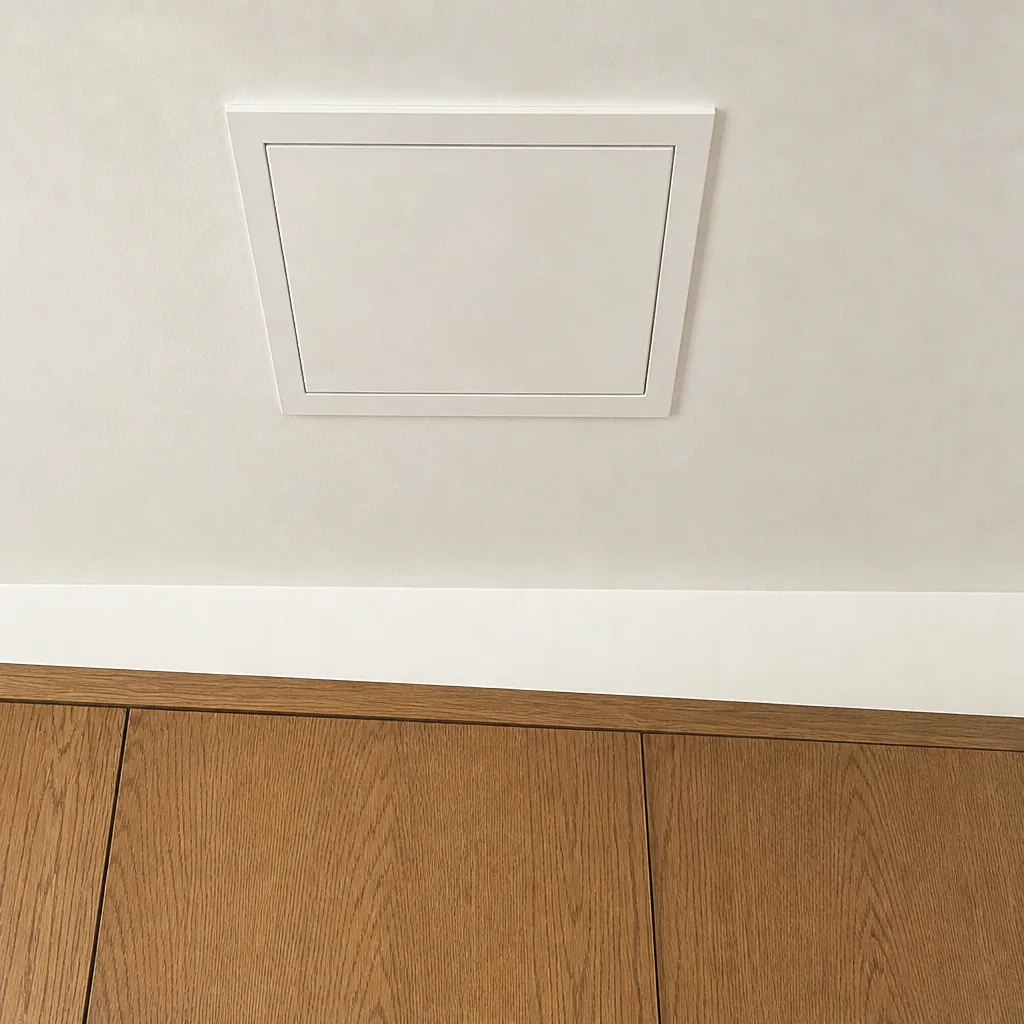
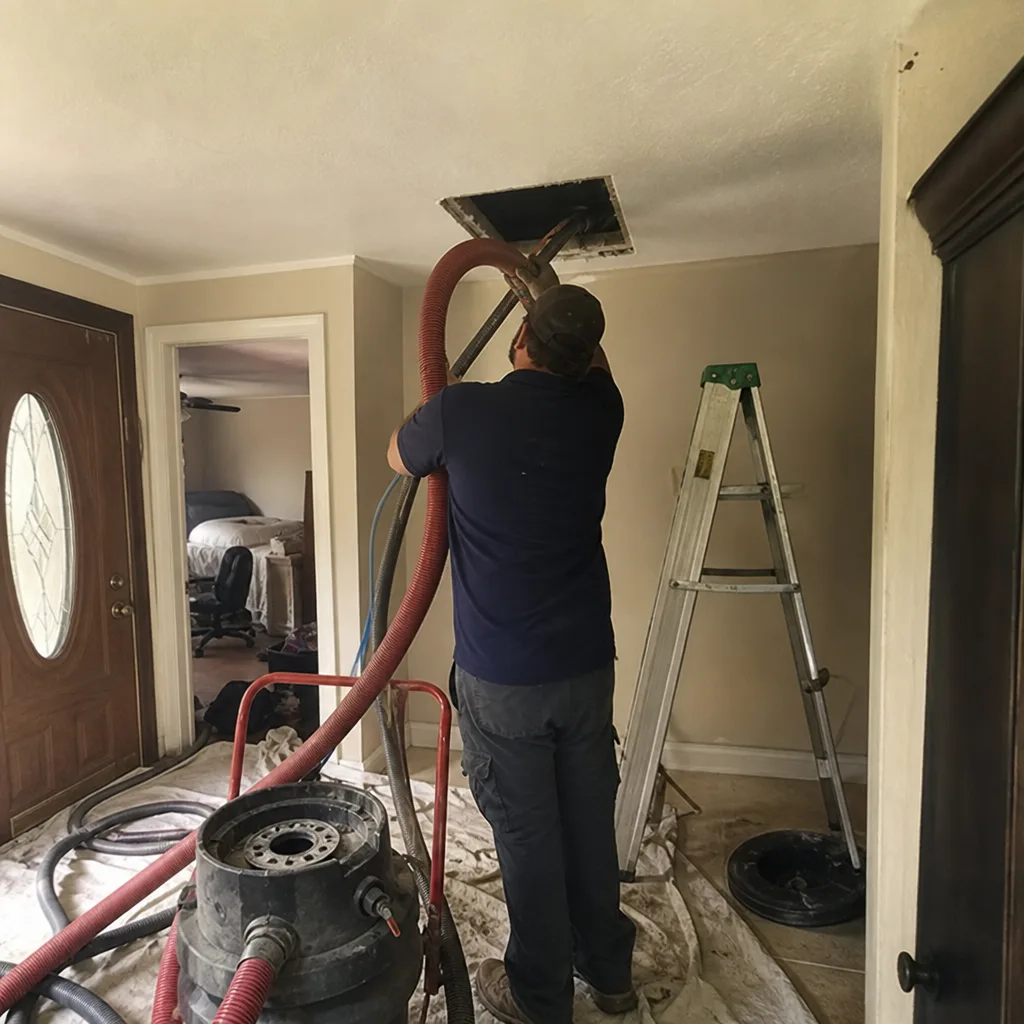
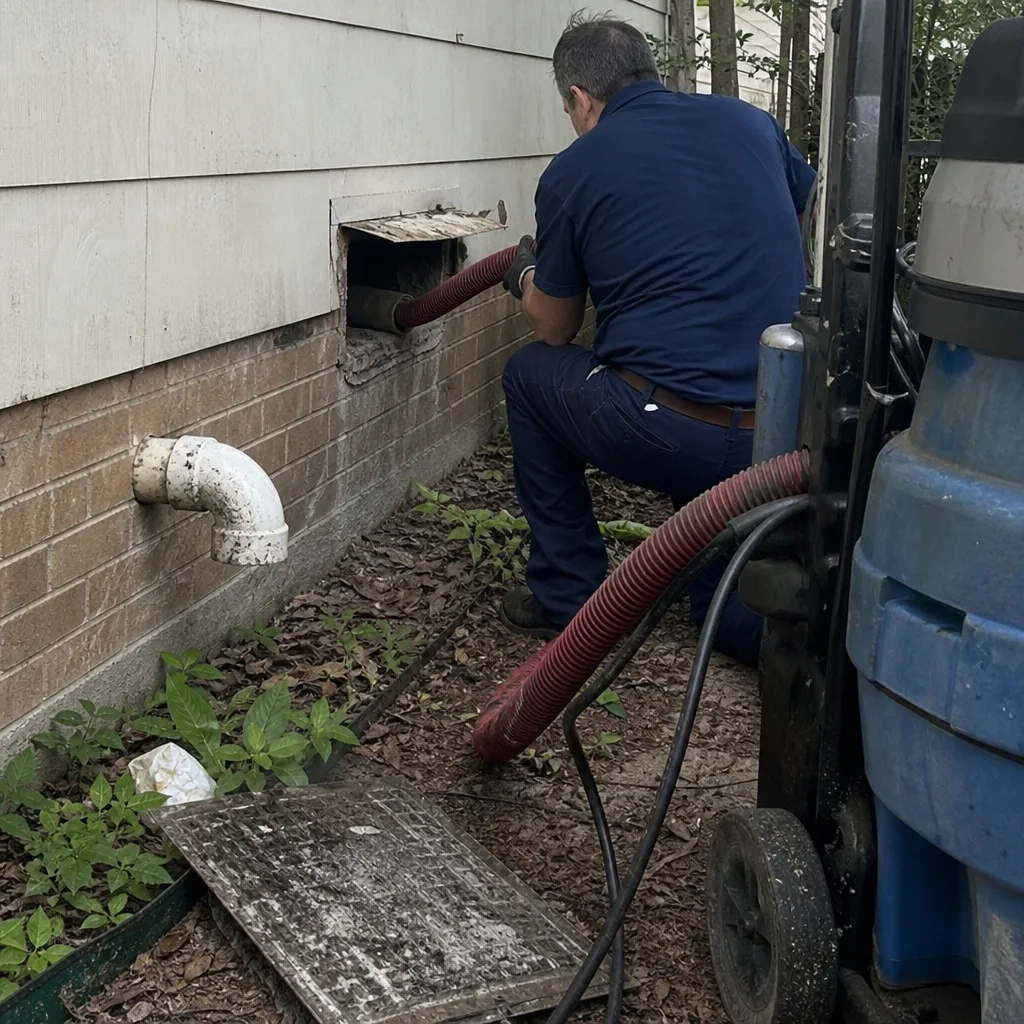
Whole-system duct and dryer vent check with before-and-after photos - you see exactly what came out of your vents
That "$99 whole-house special" is a bait ad - the real number appears once they are in your hallway, or the "clean" is a shop-vac at the register. We photograph the inside of your ducts before and after instead.
Seasonal Air Duct Cleaning Care for Kingwood: Year-Round Homeowner’s Guide
Most homeowners in Kingwood assume duct cleaning belongs to spring, wrapped in the same calendar slot as a garden cleanup or a pool opening. The reality is tougher. Kingwood’s mountain cedar and oak pollen season runs from December through April, which means your duct system fights its hardest battle while most people think they’re in an off season. By the time the first bluebonnets show up, the damage is already settled into your return plenum. This guide maps duct and HVAC care to Kingwood’s actual climate calendar – two high-load periods, a post-storm vulnerability window, and a short freeze risk – so you can act at the right time instead of the convenient one. Kingwood Air Duct Cleaning Co put this together from what our technicians see in local attics and closets.
Styles & brands we work with
- Whole-home duct cleaning
- Dryer vent cleaning
- Camera inspection
- Sanitizing & deodorizing
Quick Answer
Seasonal air duct cleaning in Kingwood follows the local climate, not the national calendar: schedule inspection and cleaning in late November and again in May, right before the two high-load stretches (December-April pollen and June-September humidity heat). Add a post-storm inspection after any tropical system that pushed water into the attic, and a joint-and-connection check after each freeze event. A single cleaning does not replace four seasonal touchpoints – but four seasonal touchpoints don’t require four full cleanings either. Timing matters more than frequency.
Table of Contents
- Why Kingwood’s Climate Doesn’t Have Four Equal Seasons
- December-April: The Cedar and Oak Pollen Window
- June-September: Condensation and Humidity Inside the Ducts
- Post-Storm Protocol: Precautionary Versus Mandatory Cleaning
- December-January Freeze Events: What the Aftermath Looks Like on Attic-Routed Ductwork
- Partnering Cleaning with HVAC Tune-Ups
- Neighborhood Notes: What Different Kingwood Homes Deal With
- Common Mistakes to Avoid
- When to Call a Professional
- Frequently Asked Questions
- The Bottom Line
Why Kingwood’s Climate Doesn’t Have Four Equal Seasons
The usual advice you read about duct maintenance assumes a four-season climate: cold winter, dry spring, hot summer, cool fall. Every phase gets roughly equal weight, and cleaning gets scheduled once a year whenever it’s convenient. That model doesn’t fit Kingwood, and it makes homeowners here treat one of their two heavy-load periods as though nothing is happening.
In our experience, Kingwood really runs on three phases and one wild card:
- The pollen surge (December through April). Mountain cedar starts pollinating in midwinter, before most people think about air quality. Oak follows, then the spring grass and pine. This is the heaviest particulate load your filtration and ductwork will see all year, and it lands when your HVAC run time is still low because the outdoor temperature is mild.
- The humidity and heat surge (June through September). The AC runs continuously, which means condensation forms wherever cold duct surfaces meet warm attic or closet air. Biological growth in flex duct and a wet drain pan are the two failure points we see most in Kingwood.
- The short cold phase (typically late December through February). Kingwood rarely gets a hard freeze, but it gets just enough freeze events that attic-routed ductwork expands and contracts. That’s when old tape and mastic joints open up.
- The wild card: hurricanes and tropical storms. One storm with roof damage or wind-driven rain can change the answer from “wait until spring” to “clean now.”
Each phase demands a different response, and none of them is what the national cleaning-industry calendar recommends. Getting the sequence right is how duct cleaning actually supports your HVAC system instead of just being a line item every few years.
December-April: The Cedar and Oak Pollen Window
Mountain cedar (Ashe juniper) pollen shows up in Kingwood air in December, often well before the outdoor temperature drops into pollen-sleepy territory. Oak pollen follows in February and March, then pine, then spring grasses. For a family that includes anyone with seasonal allergies, this is the stretch where the duct system either earns its keep or quietly fails.
What actually happens inside the ducts
Your HVAC pulls outdoor air and return air through the filter, then through the return ducts to the air handler. Whatever passes the filter – and a basic fiberglass filter passes a lot – deposits on the plenum floor, the return-side duct walls, and the evaporator coil. Pollen particles are tiny, sticky, and in Kingwood’s case loading up every time the system runs. When the coil face gets coated, the system loses capacity, and that shows up as an AC that seems to run constantly in March and April before the real heat arrives.
The pre-cooling-season protocol
- Upgrade your filter before the cedar peak, not after. Late November is the right time to move from a basic filter to a pleated filter rated for fine particles. Check your filter’s rated airflow against your air handler spec; too-high filtration on an undersized return is a real problem. If you’re unsure, ask the technician who does your next tune-up.
- Inspect every return grille. Pull the grille and look at the plenum behind it. A gray fuzz of pollen dust on the sides of the return box is normal. A visible mat of debris on the coil or a musty smell is not – that’s a sign the return-side ductwork needs professional cleaning before the cooling season starts.
- Schedule cleaning in late November or early December. That gives you a clean return path exactly when the pollen load arrives. Cleaning in April or May catches the tail end of the load and misses the worst of it.
- Re-check in late January or early February. If your filter is loading up unusually fast, the plenum is coated, and you’ll get ahead of the oak peak by scheduling air duct cleaning in that stretch.
Professional cleaning at this point is not a luxury. Pollen that settles into return-side ductwork gets recycled into the living space day after day, and no filter downstream of that debris catches particles that are already circulating. Our technicians use professional-grade Rotobrush and Nikro equipment with HEPA-filtration negative-air setup, so the debris pulled out of the ducts leaves the house instead of being stirred back into the room.
June-September: Condensation and Humidity Inside the Ducts
Kingwood summers load the HVAC system more than any other season, and the ducts are where that load shows up as water. Cold air inside a supply duct meets warm, humid attic or closet air on the outside. If the insulation jacket is thin, torn, or wet, condensation forms on the duct surface. Keep that going for a month and you have a wet vapor barrier, a musty smell, and sometimes visible biological growth inside the flex duct itself.
The two places we look first
- The evaporator coil and its drain pan. The pan sits under the coil and catches condensation all summer. If the pan isn’t drained and cleaned periodically, standing water turns to a biofilm that gets drawn through the supply ducts. Cleaning interval depends on the pan design and whether it drains fully – a technician can tell you in a five-minute inspection.
- Flex duct in the attic. Flex duct is the standard supply line in most Kingwood homes, and it’s the easiest piece of the system to damage. Look for collapsed sections, torn outer jackets, disconnected collars, and any spot where the inner liner has separated from the coils. A small tear in the outer jacket lets humid attic air touch the cold duct, and mold growth starts at that point.
What the humidity protocol looks like
- Check the drain pan in May before the AC runs continuously. Confirm the pan drains fully and the primary and secondary drain lines are clear.
- Inspect the attic flex duct visually once in June. Look for sagging, moisture staining, or disconnected joints at the air handler and trunk.
- Schedule HVAC cleaning between June and August if you smell anything musty at a register or see visible growth on the coil. That service covers the coil, blower, drain pan, and air handler cabinet – not just the ducts.
- Add duct sealing if the system has been running with disconnected joints. Cleaning a ducted system with leaks just means re-contaminated ducts within a month. Our Duct Repair & Sealing service addresses the root cause so the cleaning actually holds.
- Sanitize where microbial growth has been confirmed. Sanitizing without cleaning first just puts a chemical on a dirty surface. Cleaning, then sanitizing, then sealing is the correct order.
If you’re ready to schedule a summer inspection, call (833) 991-7731. We answer 24/7. Fast dispatch from 7am to 7pm, Sunday through Friday.
Post-Storm Protocol: Precautionary Versus Mandatory Cleaning
Every few years, Kingwood gets a tropical system that pushes rain sideways into places it shouldn’t go. Most homeowners correctly check for roof damage and window leaks. Far fewer check the attic ductwork – and that’s where the difference between a precautionary cleaning and a mandatory one lives.
Precautionary cleaning: when one of these is true
- The storm brought high winds but no visible attic water intrusion and the roof held.
- You noticed debris blown in through a broken soffit vent.
- The system smells slightly different, but no visible moisture on the insulation jacket.
In these cases, a post-storm inspection is enough. A technician checks the attic, confirms the insulation jacket integrity, and tells you whether to schedule cleaning in the next 30-60 days or wait for the usual seasonal window.
Mandatory cleaning: when one of these is true
- Water intrusion reached the attic or any ceiling space where ductwork runs.
- Attic insulation has been wet for more than a day or two – that flat insulation can hold moisture for weeks.
- The flex duct insulation jacket feels damp, or the outer surface shows moisture staining.
- You can see standing water in the drain pan or the air handler cabinet after the storm.
- The house has a persistent musty smell that wasn’t there before the storm.
In those cases, the priority is cleaning the affected duct sections as soon as reasonable, followed by a full contamination assessment. This is where our Abatement Technologies equipment earns its keep – routine cleaning removes household dust and pollen, but contamination-level work needs the containment systems and HEPA filtration that only serious equipment provides. If you’re unsure which category your home falls into, a technician can tell you in one visit. Call (833) 991-7731 and we’ll get someone out to look.
One rule of thumb: any duct section that was wet needs to be cleaned or, more often, replaced. Sealing over wet material traps moisture and the problem returns within the season. Duct Repair & Sealing exists precisely for the “this joint failed, but the rest of the duct is fine” cases – a full re-pipe isn’t always necessary, but the seam needs to be done correctly.
December-January Freeze Events: What the Aftermath Looks Like on Attic-Routed Ductwork
Kingwood rarely gets the deep freezes other parts of the country treat as routine, which is exactly why a single hard freeze here catches homeowners off guard. Attic-routed ductwork sees outdoor temperatures well below freezing for 12-24 hours. The flex duct and rigid trunk expand when the AC runs warm during the day, then contract when the attic drops below freezing at night. Over a few of these cycles, old tape, mastic joints, and press-fit connections can pull apart.
What that looks like in practice: an upstairs room that feels stuffy or stuffier than usual, a room that gets weaker airflow than it did before the freeze, or a flex duct that’s dropped onto the attic floor where it hung before. Nothing catches fire, nothing floods. The system just quietly loses efficiency, and the problem compounds because the disconnected joint is pulling hot attic air into the supply line.
The inspection checklist after each freeze event
- Look at the attic duct runs. Confirm every flex run is still supported and hasn’t sagged or dropped.
- Check the joints at the air handler and trunk. Pull gently at each collar and connection. If the tape lifts or the mastic has cracked, the joint is compromised.
- Feel for cold air at the joint while the fan runs. That’s a leak and a sign that sealing needs to happen.
- Check the outer jacket of every flex run. Look for splits at the bends and at the air handler connections.
- Confirm the return plenum is still attached. This is where thermal expansion most often breaks the seal.
Most of what a homeowner can reasonably do is a visual check – no attic crawl is worth a fall. If any of those five items look wrong, that’s the point to call. Our technicians have up to 11 years of experience reading these failures and can tell you in one visit whether it’s sealing, replacement of a single run, or a broader repair. Call (833) 991-7731 to schedule.
Partnering Cleaning with HVAC Tune-Ups
Most homeowners schedule HVAC tune-ups in the shoulder seasons – usually March or October – because that’s when HVAC companies push their maintenance visits. That schedule is sensible for the HVAC mechanic, but it leaves the ductwork in an awkward spot. Cleaned in October, the ducts enter the December-April pollen surge already starting to accumulate. Cleaned in March, the ducts enter the June-September humidity surge without much of a buffer.
The better choreography is to have the ductwork cleaned and sealed right before the tune-up, not during it. Here’s the sequence that actually works:
- Late October or early November: duct inspection and cleaning, if warranted, plus any Duct Repair & Sealing work identified during the inspection.
- Late November: HVAC tune-up with a clean system – the technician is checking capacity on clean coils and clean blower wheels, not on a system that’s been fighting summer debris.
- February: mid-season filter swap and visual check on the return plenum.
- May: summer readiness inspection – drain pan, condensation check, flex duct visual, filter swap to a fresh pleated filter.
- Late August: if the family has significant allergy sensitivities, consider a mid-summer cleaning of the return side.
That’s two cleaning touchpoints a year at most in an average home, two tune-ups, and two visual inspections. It costs less than an annual cleaning that ignores the seasonal load, and it produces a system with noticeably better airflow by the time the June heat sets in. If your HVAC company does the tune-up, we can coordinate so the cleaning is done first.
One more piece worth adding: whole-home air quality equipment. We work with Honeywell and Aprilaire systems for filtration, humidity control, and purification, and they install well as part of the same service visit as cleaning. If your family has allergy sufferers or you’ve noticed that the ducts get dirty quickly despite good filters, a whole-home filtration or humidity solution can reduce the seasonal load on your ductwork. Ask about it during the estimate – it’s not for every home, but for the right one it changes the annual rhythm significantly.
Neighborhood Notes: What Different Kingwood Homes Deal With
Kingwood’s housing stock is more varied than the “everyone has the same setup” assumption suggests. Different areas see different duct conditions, and it’s worth knowing which one applies to your house before you schedule service.
- Elm Grove and Kings Point: heavy tree canopy, which means more pollen and organic debris loading the return side during the spring pine and oak surge. Homes here often benefit from the earlier-November cleaning timing rather than waiting until spring.
- Kingwood Greens and Greentree: mature landscaping combined with longer roof lines. Attic duct routing is often longer, which means more connection points to inspect after each freeze event.
- Kings River and Royal Shores: newer construction mixed with older homes. Post-construction ductwork debris is a real issue in the newer homes – drywall dust, sawdust, and construction adhesive fumes that settle into the ducts and don’t come out on their own.
- Fosters Mill and Hunters Ridge: single-story homes where the air handler is often in a closet rather than the attic. That changes the failure mode – condensation on the closet-mounted coil is a bigger deal here than flex duct damage, and drain pan cleaning matters more by comparison.
None of this means every house in a given neighborhood has the same problem. It means the questions to ask your technician should be shaped by where you live and what your home’s duct routing looks like. If you’ve just moved into a Kingwood home – especially a resale – an inspection is the right first step before committing to any cleaning schedule. Call (833) 991-7731 to schedule a free estimate.
Common Mistakes to Avoid
- Treating duct cleaning as a once-a-year checkbox. A spring cleaning misses the December-April pollen peak entirely and leaves the system loaded going into the cooling season.
- Cleaning the ducts without inspecting the return plenum and air handler. Cleaning ducts that feed into a dirty coil and blower just re-contaminates everything within weeks. The full system has to be addressed.
- Skipping the drain pan. A pan that isn’t cleaned during the humidity season is a biofilm factory feeding the supply side all summer. It takes minutes to inspect and it changes the cleaning plan.
- Sealing over wet or mold-contaminated material. Duct Repair & Sealing on a damp flex run traps the moisture and creates a worse problem. Wet sections get replaced, dry ones get sealed.
- Ignoring a post-storm moisture signal because “the AC still works.” Water intrusion that reaches the attic ductwork doesn’t announce itself; it shows up as a musty smell a month later. If a storm reached the attic, get it inspected.
- Waiting until airflow fails before scheduling. By the time a room is noticeably stuffy, a joint has usually been leaking for weeks. The early-warning signs – dust on registers returning quickly, higher electric bills, an unusual smell – are cheaper to act on.
- Buying the cheapest quote. Duct cleaning is only as good as the equipment and the containment setup. A shop-vac rig with no negative-air containment puts half the debris back into the living space. Ask what equipment the company carries before you book.
When to Call a Professional
Call a professional when you notice any of these: dust reappearing on registers within days of cleaning them, a musty smell at a supply or return, visible mold on the evaporator coil, a persistent “stuffy room” that used to get good airflow, a filter that loads black within three weeks, a storm event that may have pushed water into the attic, or a recent home purchase where the duct history is unknown. Our dryer vent cleaning service is worth scheduling alongside any of this if it’s been more than a year – clogged dryer vents are a leading cause of residential house fires, and that’s a safety issue, not a comfort one. Kingwood Air Duct Cleaning Co offers free estimates in Kingwood – call (833) 991-7731. We answer 24/7. Fast dispatch from 7am to 7pm, Sunday through Friday.
Frequently Asked Questions
Most Kingwood homes benefit from full-system cleaning every two to three years, with a visual inspection every year – one in late fall (before pollen season) and one in late spring (before the humidity season). Homes with pets, allergy sufferers, or recent renovation work often need cleaning closer to annually. Homes that have added duct sealing after a professional inspection often extend the interval because the system stops losing efficiency and loading faster.
Yes. National advice is built around a four-season model, but Kingwood has two high-load periods – Cedar and oak pollen from December through April, and humidity and heat from June through September – plus a freeze-event window and a hurricane vulnerability window. Scheduling cleaning for late November and again around May captures both of those loads. Scheduling once in October misses the December pollen entirely.
Inspect first, clean second. If the storm reached the attic or any ceiling space with ductwork, or if the flex duct insulation jacket shows moisture staining or feels damp, cleaning becomes mandatory – typically within a few weeks of the storm once assessment is complete. If the roof held and there’s no moisture signal in the attic, a precautionary inspection is enough. Call (833) 991-7731 if you’re unsure which category your home falls into.
Usually because they’re not actually cleaning the whole system. A low quote often covers only the supply-side duct runs, skips the air handler and coil, and uses a portable vacuum without proper negative-air containment – which means some of what’s loosened ends up back in the room. Real full-system cleaning covers the entire air path from the return plenum to the air handler to the supply runs, and uses professional equipment like Rotobrush or Nikro systems with HEPA containment. When you get an estimate, ask which parts of the system the price includes.
Before-and-after photos of your own ductwork. Not stock images, not “typical” photos – your return plenum, your coil, your flex runs. Any legitimate duct cleaning service should be willing to photograph the system before and after cleaning. If a company won’t show you your own ducts, that’s the answer.
No, and doing both unnecessarily wastes money. Duct Repair & Sealing is for systems with leaks, disconnected joints, or torn vapor barriers – problems that need fixing before cleaning holds. Systems with good joints don’t need sealing. A professional inspection tells you which situation you’re in. The two services pair when a system has both contamination and leakage – which is the more common case after a hard freeze or a storm, when joints have pulled apart.
The Bottom Line
Kingwood duct care isn’t a once-a-year chore; it’s a small sequence of well-timed actions mapped to two heavy-load periods, a storm window, and a short freeze risk. Clean the return side before December so the cedar and oak surge hits a clear system. Inspect condensation and flex duct in June. Watch for water in the attic after any tropical system, and check attic joints after each freeze. Partner cleaning with HVAC tune-ups in late November and late May, and add duct sealing where the joints are failing. That rhythm costs less than a single annual cleaning and delivers measurably better airflow through the year. The duct system is only one part of the home’s airflow ecosystem – a whole-home approach that includes the dryer vent, the air handler, and indoor air quality equipment catches problems that separate vendors miss.
Ready to start with a free estimate? Call (833) 991-7731 today. We answer 24/7. Fast dispatch from 7am to 7pm, Sunday through Friday. Our technicians have up to 11 years of experience, use professional Rotobrush, Nikro, and Abatement Technologies equipment, and work with Honeywell and Aprilaire systems where whole-home air quality upgrades make sense. The local pro is licensed and insured as their state requires. One flat price per system, agreed before work starts, with before-and-after photos of your own ducts.
Written by the team at Kingwood Air Duct Cleaning Co.
See the difference
 Before
 After
 Before
 After
 Before
 After