
Last updated November 25, 2026
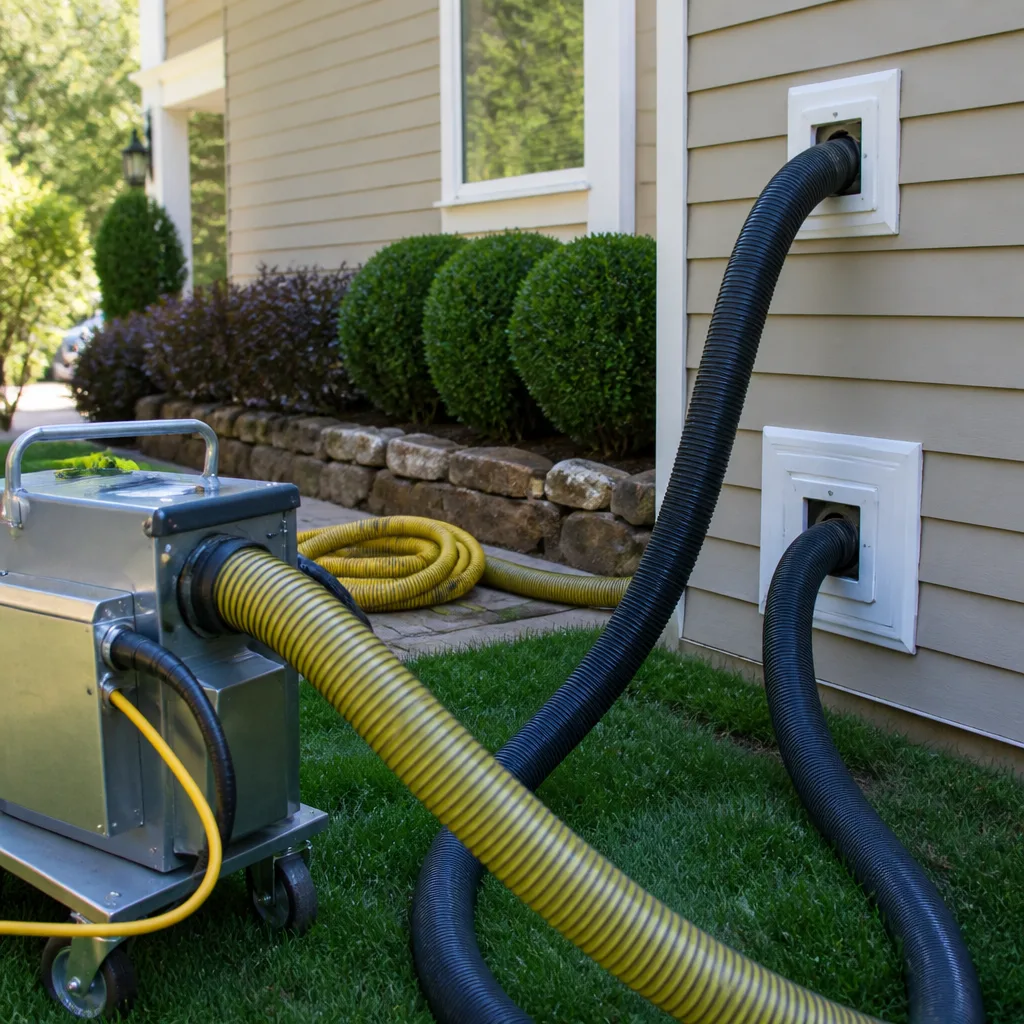 Whole-home duct cleaning
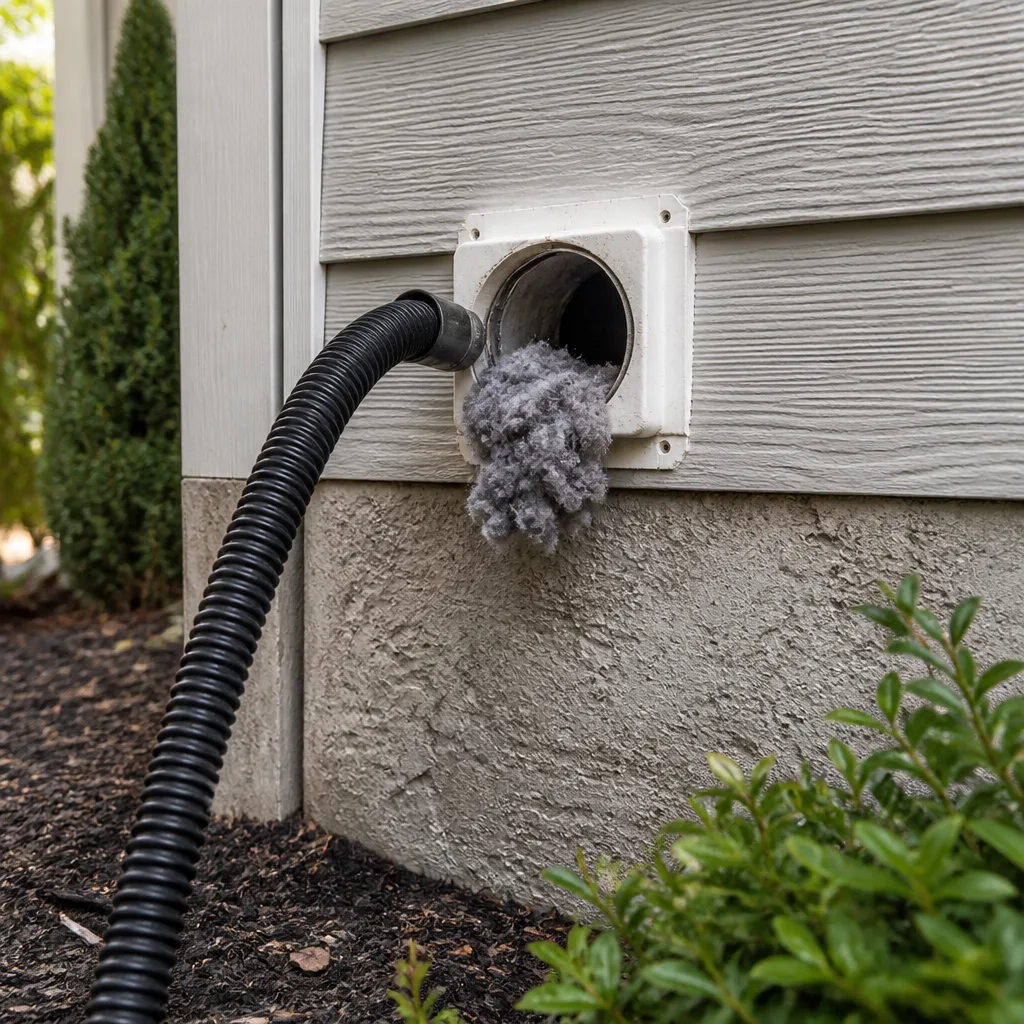 Dryer vent cleaning
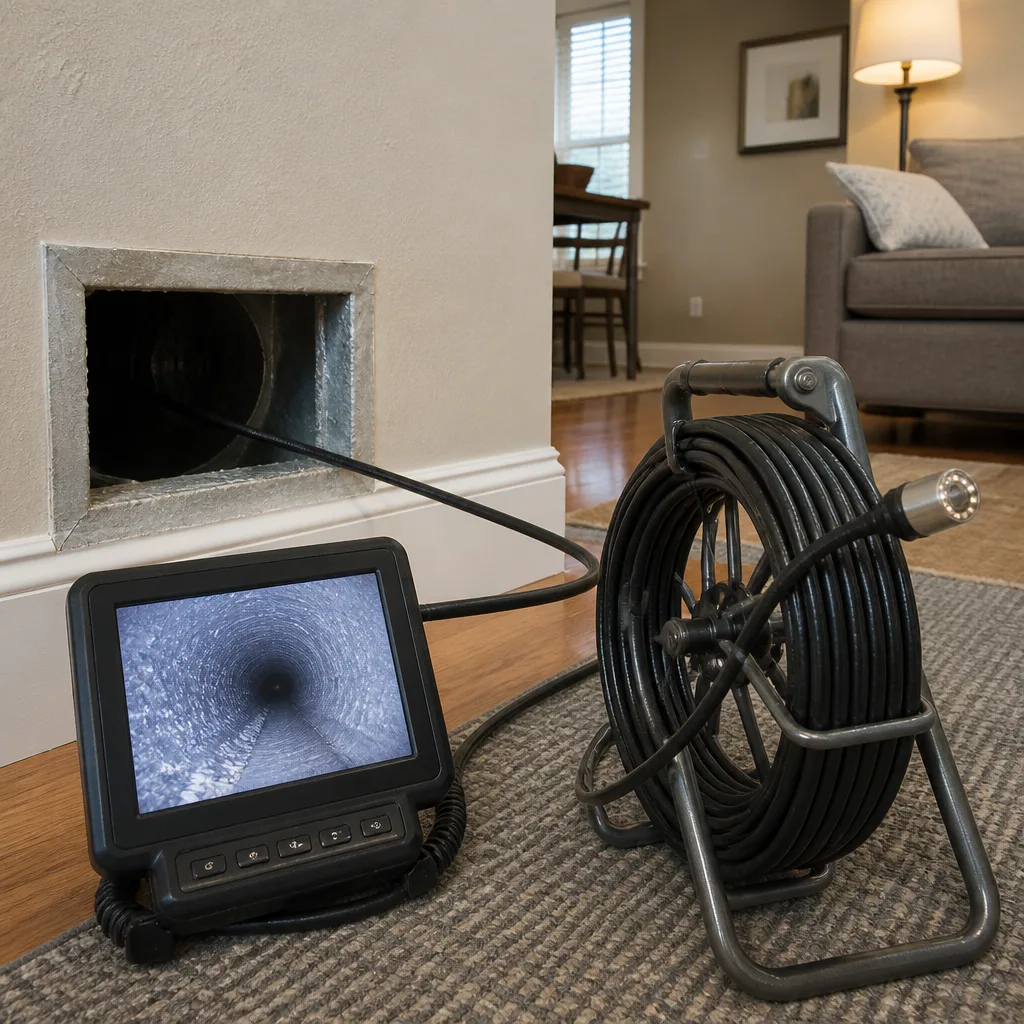 Camera inspection
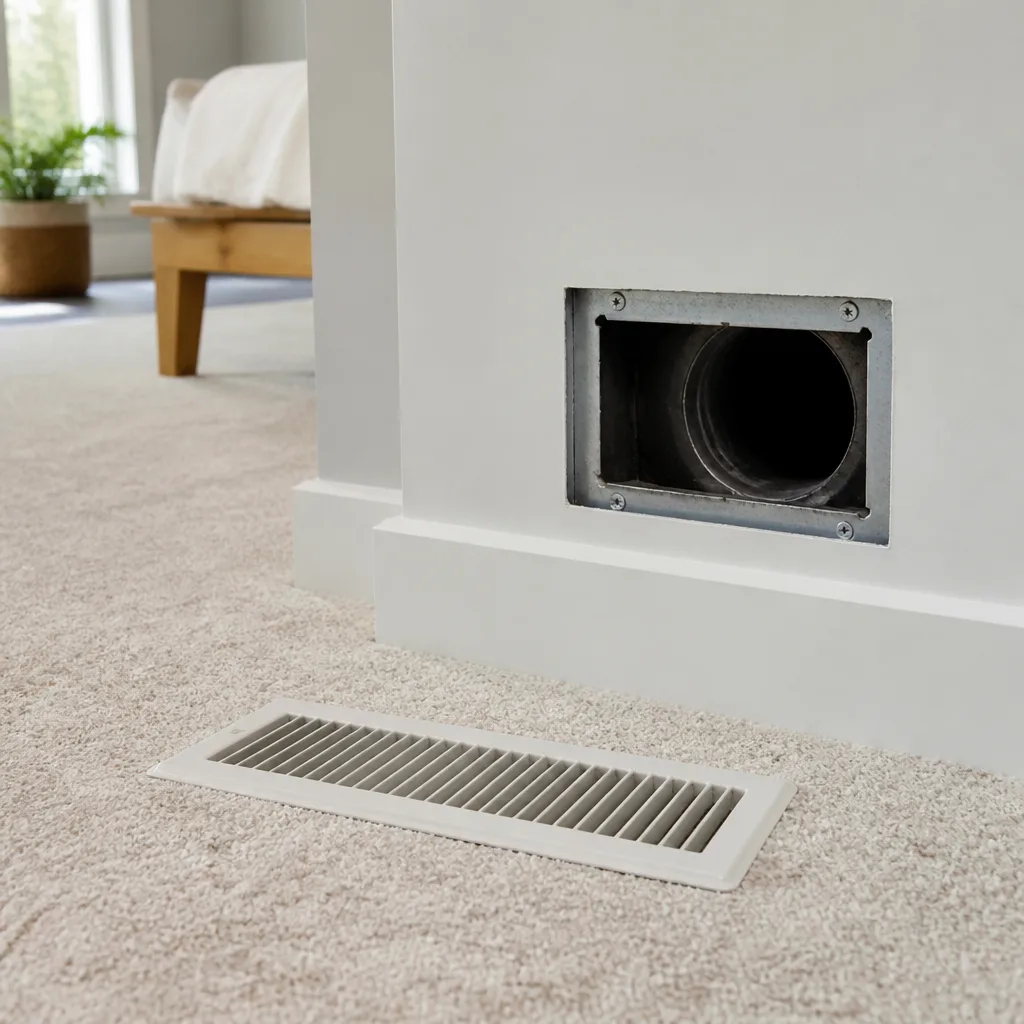 Sanitizing & deodorizing
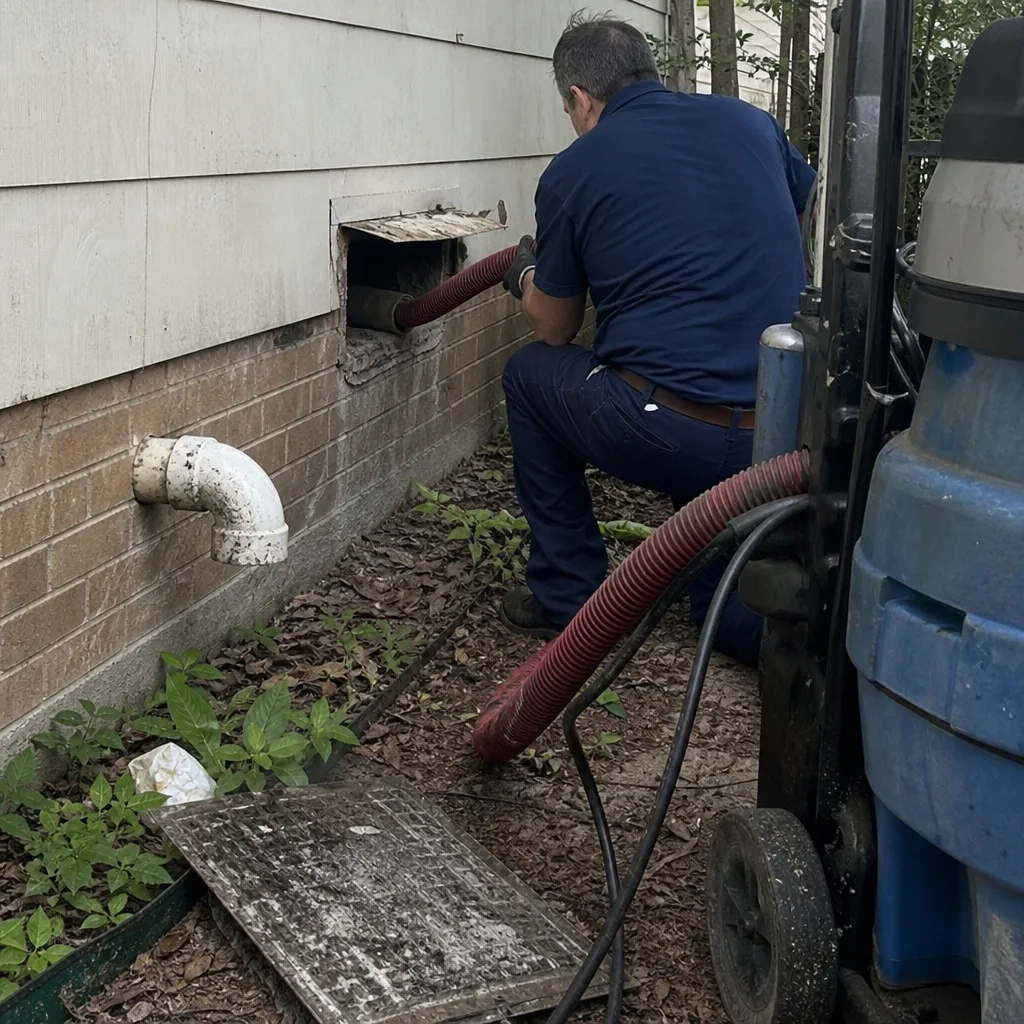
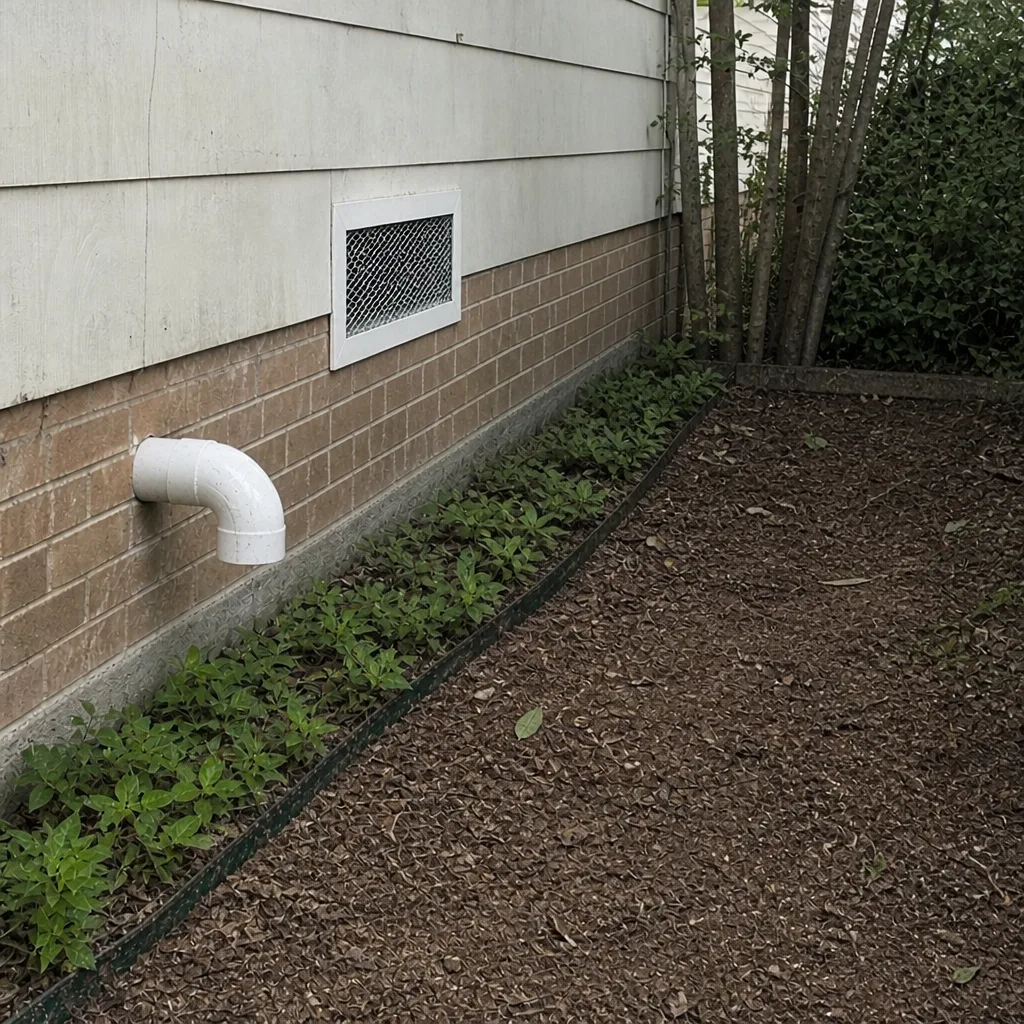
Whole-system duct and dryer vent check with before-and-after photos - you see exactly what came out of your vents
That "$99 whole-house special" is a bait ad - the real number appears once they are in your hallway, or the "clean" is a shop-vac at the register. We photograph the inside of your ducts before and after instead.
Air Duct Cleaning Cost Breakdown: The Kingwood Homeowner’s Reference for 2026
The $89 duct cleaning special and the $950 professional job are not competing for the same work. They are not even the same service. One is a surface pass over the registers you can see; the other is a whole-system clean from the duct opening to the air handler, verified at the end. Comparing the two numbers side by side tells you almost nothing, because they don’t measure the same thing. What actually helps is understanding the variables behind each price: access, equipment, trunk line footage, sanitizing, and the labor it takes to do it right. This guide breaks down what drives duct cleaning cost in Kingwood so you can read a quote for what it really delivers.
Quick Answer
Air duct cleaning in Kingwood typically runs about $350 to $450 for a smaller single-story home with straightforward attic routing, $550 to $800 for a mid-sized two-story home with a full network of branch lines, and $950 to $1,500 or more for larger homes, heavy contamination, or jobs that include duct repair and sealing. The two biggest cost drivers are the number of duct runs and how accessible they are, not the square footage alone. A written, itemized estimate should state exactly what gets cleaned and what the final price is before any work starts.
Styles & brands we work with
- Whole-home duct cleaning
- Dryer vent cleaning
- Camera inspection
- Sanitizing & deodorizing
Table of Contents
- Why quotes for the same job vary so widely in Kingwood
- Per-vent pricing vs. whole-system flat rate
- Line-item cost breakdown for a Kingwood job
- How Kingwood housing stock changes the price
- Add-ons with real value vs. upsells
- What a binding written quote must include
- Equipment matters more than most homeowners realize
- Common mistakes to avoid
- When to call a professional
- Frequently asked questions
Why Quotes for the Same Job Vary So Widely in Kingwood
Three homeowners on the same street can get three quotes for the same house and see numbers 60% apart. That gap is rarely about the house. It’s almost always about scope.
A low quote usually describes less work, whether the company says so or not. It might cover register cleaning only, skip the main trunk lines, or use a shop vacuum that pulls loose debris from the floor registers without addressing the plenum or the branch runs feeding each room. A higher quote typically includes negative pressure containment (a large vacuum that puts the whole system under suction while brushes agitate the interior), access cuts where there are no registers, sanitizing, and a final visual verification. These are different scopes dressed in the same words.
The Kingwood market also mixes a wide range of service levels. Some national franchises, some Houston-based companies driving out for the job, and some specialists who focus on ductwork as their core trade rather than as a sideline to HVAC repair. When you’re comparing bids, the single most useful move is to line up what each quote actually includes before you look at the number. Our air duct cleaning service is built around whole-system cleaning for exactly this reason: the register-only version is a different product, and it should be priced that way.
Ask every company to describe their cleaning process in writing. Any bid that can’t explain what the negative pressure setup looks like or how they handle a return plenum is not really a scope document. It’s a price.
Per-Vent Pricing vs. Whole-System Flat Rate
There are two pricing models in the duct cleaning business, and they produce very different incentives.
Per-vent pricing charges a fixed amount for each supply register, sometimes each return. At first glance it seems fair: you pay for what gets cleaned. The problem is the incentive it creates. A technician working on a flat per-vent rate earns more by moving quickly between vents than by doing a deep clean at each one. The main trunk lines that feed every register can get skipped entirely, because there’s no unit price attached to them. Registers count. Duct trunks don’t. That means the most contaminated surface in many systems (the main run from the air handler) may get little attention.
Whole-system flat rate prices the entire duct network as one job. That aligns with how the professional standards describe the work: clean the whole system, from the air handler and supply plenum through the trunk lines, branch runs, and registers, to the return side. NADCA’s published guidance treats the whole system as the unit of cleaning, not the vents. A flat rate for the whole system removes the race-to-the-next-vent incentive, because the price is already set.
In Kingwood, the per-vent model shows up most often as a teaser: “$49 per vent” or an “$89 whole-house special.” Those numbers are not built to cover a full trunk-line clean. They’re built to get a technician in the door, at which point the conversation pivots toward a larger invoice.
Ask a direct question on the phone: “Is this a whole-system flat rate, or a per-vent price?” If the answer is per-vent, you know exactly where the job’s labor goes. If it’s a flat rate, ask what the flat rate covers. Trunk lines? Plenum? Returns? Sanitizing? All four should be answered.
Line-Item Cost Breakdown for a Kingwood Job
A complete duct cleaning job has six real cost components. Here’s how each one lands in the Kingwood market, priced as part of a whole-system estimate.
| Step | What it involves | Typical Kingwood range |
|---|---|---|
| Access cutting | Cutting and re-sealing access points where no register exists, usually at the plenum and trunk runs | $0 to $75 per cut, often bundled |
| Negative pressure setup | Connecting a commercial vacuum to the system to keep debris under suction for the entire job | Included in base |
| Register cleaning | Removing, washing, and reinstalling supply and return grilles | $5 to $12 per register |
| Main trunk line cleaning | Mechanical agitation of the main runs feeding the branches | $150 to $350 per system |
| Sanitizer application | EPA-registered sanitizer applied to the interior after cleaning, for mold or odor issues | $75 to $200 |
| Final verification | Camera inspection or visual confirmation of each run, plus before-and-after photos | Included in base |
The “included” items are not free. They’re baked into the base rate, which is why a real whole-system quote has a floor. A company that includes all six steps for $89 has not included all six steps.
Sanitizer pricing varies because it depends on the situation. If a home has visible biological growth, pet odor, or a recent renovation with drywall dust throughout the runs, the sanitizer job is bigger. Standard dust cleanup usually doesn’t need it. Ask whether a sanitizer is being recommended because the system needs it or because it’s the easiest line to add.
Access cuts deserve a note. Many Kingwood homes were built without a service access on the supply plenum, which is common in tract-built neighborhoods. Cutting one is a real cost, but skipping the cut means the technician can’t reach the main trunk. A quote that lists “access included” or a specific per-cut price is more honest than a quote that’s silent about it.
How Kingwood Housing Stock Changes the Price
Two homes with the same square footage can differ by hundreds of dollars in duct cleaning cost. Here’s what actually moves the number in Kingwood.
Duct material: flex vs. sheet metal
Flex duct is common in Kingwood’s newer construction and adds complexity. Its corrugated interior catches dust in the ridges, and aggressive brushing can tear a liner, so the technician has to work methodically at lower pressure. Sheet metal trunk lines are easier to clean aggressively but often have more branches to manage. A home with flex branches running off a sheet metal trunk typically costs slightly more than an all-metal system of the same size.
Attic vs. slab routing
Every duct run in a Kingwood home falls into one of these two categories, and they price differently. Attic routing means ducts run through the unconditioned attic space above the ceiling. Access is usually workable, but summer heat in the attic makes the job slower and hotter. Slab routing means supply lines run under the concrete foundation, which is common in some Kingwood neighborhoods and older sections of the area. Slab ducts are harder to access, can collect condensation over time, and may need a camera inspection before cleaning to check for collapsed sections. Slab jobs price higher, and the cleaning itself may require additional inspection tools.
Number of systems
Two-story Kingwood homes often run a single system with long branch runs to the second floor, and some layouts use a second air handler. Each additional system adds a trunk line, a plenum, and its own set of returns. A quote that only counts registers will miss this entirely.
The local humidity reality
Kingwood’s humid spring and summer months keep interior ductwork closer to the dew point than in drier climates. That’s a real reason to consider sanitizer and to inspect for moisture intrusion at the coil and plenum, because damp dust inside a duct is where odor and biological growth start. A specialist who checks for moisture as part of the estimate is doing meaningful work. A cleaner who doesn’t ask about it is not looking closely.
Add-Ons With Real Value vs. Upsells
Every duct cleaning company has add-ons. Some are worth the money. Some exist to raise the invoice. Here’s the honest split.
Worth considering
- Dryer vent cleaning. Lint buildup in a dryer vent is a genuine fire hazard, not a comfort issue. This is a safety service with a clear benefit, and bundling it with duct cleaning usually saves a trip charge.
- Duct repair and sealing. If the inspection finds disconnected runs, torn flex, or open joints, sealing them prevents the cleaned system from re-contaminating almost immediately. Cleaning without sealing is a temporary fix. We carry sealing capability for exactly this reason, because the job isn’t finished until the system holds air where it should.
- Whole-home filtration or purification. Brands like Honeywell and Aprilaire make media filters, humidity control, and purification units that mount at the air handler and address what’s circulating through the whole house, not just one room. If the system is already open for cleaning, adding one is efficient. But it’s a real upgrade, not a necessity for every home.
- UV-C or in-duct sanitizing. Worth it if there’s confirmed biological growth or persistent odor. Not needed on a clean system with no symptoms.
Questionable
- Fragrance or “air freshener” treatments that mask a problem without addressing it.
- “Antimicrobial coatings” sold as a preventive, without a moisture problem to justify them.
- Repeated sanitizing visits scheduled before any inspection has found a reason.
- Add-on “deep clean” tiers that restate the standard whole-system scope at a higher price. If the deep clean is the whole-system job, it shouldn’t cost extra.
The test for any add-on: does it address a problem the inspection found, or does it exist because the company needs a bigger invoice? A specialist will show you the finding and price the fix. Our HVAC cleaning work follows the same rule.
What a Binding Written Quote Must Include
A verbal estimate is not a protection. A written quote that lists scope is. Here’s what a proper duct cleaning quote should contain before you sign anything.
- The system being cleaned. Address, number of air handlers, number of supply and return registers, and whether trunk lines are included by name.
- Every line item. Access cutting, negative pressure, register cleaning, trunk line cleaning, sanitizer (if included), and final verification should each be listed or explicitly marked “included.”
- The flat price. One number for the whole job. If the quote is per-vent, the total should still be written out for the system as scoped.
- Access limitations. What happens if the technician opens a duct and finds a collapsed run, torn flex, or a slab section that can’t be reached. Repair cost should be quoted separately, in writing, before the work proceeds.
- Before-and-after verification. The quote should state that you get photos or camera verification of each run. If it doesn’t say that, ask.
- What the company expects from you. Furniture clearance, access to the attic hatch, pets secured. Small details, but they should be spelled out.
The written estimate is the document that sets the final price. If the technician on site suggests work beyond that scope, the agreed price doesn’t move until you’ve approved a written change. That’s the whole point of writing it down.
One more thing to check: whether the company cleans the return side. Many cheap quotes cover supply registers only. The return plenum is often the dirtiest part of the system, because that’s where air enters.
Equipment Matters More Than Most Homeowners Realize
Equipment is invisible in a bid, but it drives the cost and the result. A shop vacuum and a brush, or a purpose-built duct cleaning rig, produce very different outcomes.
Professional-grade systems are the baseline. The Rotobrush and Nikro systems are rotary agitation tools designed specifically for duct interiors, with flexible shafts and contained vacuums that keep debris from spilling into the living space. For homes with serious contamination (mold, post-renovation drywall dust throughout the runs, or long-neglected systems with heavy buildup), Abatement Technologies equipment handles the containment and filtration load that a lighter rig can’t. When you’re comparing quotes, ask what equipment the company uses. It’s a fair question and the answer tells you a lot about scope.
The higher quote usually reflects real equipment cost. A whole-system job with a commercial vacuum and rotary agitation tools takes time and requires the tools. A register wipe-down takes a fraction of that, and it’s priced to match.
Common Mistakes to Avoid
- Choosing on price alone. The cheapest quote usually wins because it describes the least work. Line up the scope before you compare the number, or you’re comparing two different products.
- Accepting a verbal estimate. Without a written scope, the technician on site can add charges with no recourse. Ask for the itemized quote in writing.
- Assuming the $89 special covers the whole system. It almost never does. That price point is built for a register pass, and the trunk lines are the part that matters most.
- Skipping the return side. If the quote only mentions supply vents, the return plenum and return registers may not be touched. Ask directly.
- Cleaning without inspecting for leaks. Running a full clean on ductwork with disconnected joints or torn flex sends the cleaned air back into the attic. The job needs an inspection first, and often sealing after.
- Ignoring the dryer vent. A clogged dryer vent is a fire hazard independent of anything happening in the air ducts. If you’re doing one, check the other.
- Believing “the whole house in an hour.” A real whole-system clean on a Kingwood two-story takes substantially longer than that. Fast jobs are fast because they’re doing less.
When to Call a Professional
Not every home needs duct cleaning. But some situations do call for it, and waiting usually makes them worse. Call a specialist if you’ve recently moved into a home where the previous owners kept pets or smoked indoors, if you’ve just finished a renovation and drywall dust likely worked its way into the runs, if someone in the house has persistent allergy or respiratory symptoms that improve when they leave, if you see visible dust puffing out of the registers when the system starts, or if the system has never been cleaned and you’re dealing with odors coming from the vents. Slab-routed ductwork that’s never been inspected is another good reason to schedule an evaluation.
Kingwood Air Duct Cleaning Co offers free estimates in Kingwood. Call (833) 991-7731. We answer 24/7, with fast dispatch from 7am to 7pm, Sunday through Friday.
Frequently Asked Questions
Most single-family homes in Kingwood fall between $350 and $800 for a whole-system clean, with larger homes, heavy contamination, or jobs that include duct repair and sealing reaching $950 to $1,500 or more. The two biggest variables are the number of duct runs and their accessibility. The written estimate sets the final price. Call (833) 991-7731 for an exact quote. Estimates are free.
Cheap quotes usually describe less work: register cleaning only, no trunk lines, no negative pressure setup, and no verification photos. Per-vent teaser pricing is the most common form. The number is lower because the scope is smaller, not because the work is cheaper to do. Call (833) 991-7731 for an exact quote. Estimates are free.
Ask for before-and-after photos of your own ductwork and a camera or visual verification of each run at the end of the job. Any company that can’t produce photos of your system, showing the inside of the trunk lines and branch runs, has not verified the work. Call (833) 991-7731 to schedule a quoted inspection. Estimates are free.
Most homes in Kingwood can go several years between whole-system cleans if the filtration is maintained and there’s no pet or renovation source of dust. Homes with heavy shedding pets, recent major renovations, or allergy sufferers in the household should consider it more often. There’s no universal schedule, and anyone telling you it’s annual without inspecting your system is guessing. Call (833) 991-7731 for an exact quote. Estimates are free.
Not directly, but the housing stock does. Homes with flex duct runs cost slightly more than all-metal systems of the same size. Slab-routed ductwork that needs a camera inspection costs more than attic routing. Two-story homes with long branch runs or a second air handler take longer and price higher than equivalent single-story layouts. Call (833) 991-7731 for an exact quote. Estimates are free.
Professional-grade systems like Rotobrush and Nikro for rotary agitation and contained vacuum, with Abatement Technologies equipment for serious contamination scenarios. A shop vacuum and a hand brush, or a consumer-grade rig, is not built for whole-system work. Ask which equipment the technician will bring before you book. Call (833) 991-7731 to talk through your system. Estimates are free.
The Bottom Line
Duct cleaning cost in Kingwood isn’t a single number that every company competes on. It’s a range built from the size of the system, the type of ductwork, how accessible the trunk lines are, whether sanitizing and sealing are needed, and what equipment the job requires. A whole-system flat rate agreed before work starts is the cleanest way to compare bids, because it removes the per-vent incentive to hurry. Ask for the written quote, ask what’s included by name, and compare scope before you compare price. That’s the whole job. If you’re ready to get a real number on your Kingwood home, call (833) 991-7731. We answer 24/7, with fast dispatch from 7am to 7pm, Sunday through Friday.
You can start at Kingwood Air Duct Cleaning Co or explore our partner pages for related service detail.
Written by the team at Kingwood Air Duct Cleaning Co.
See the difference
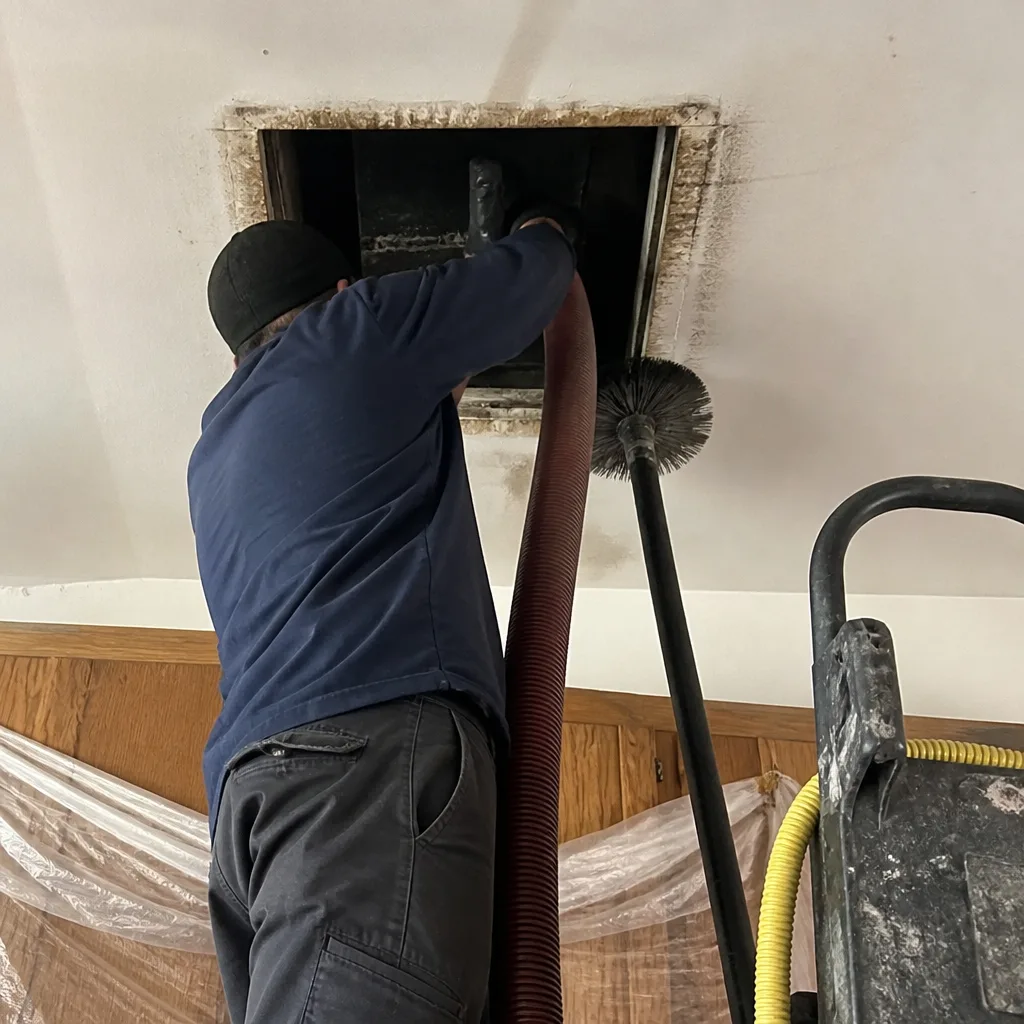 Before
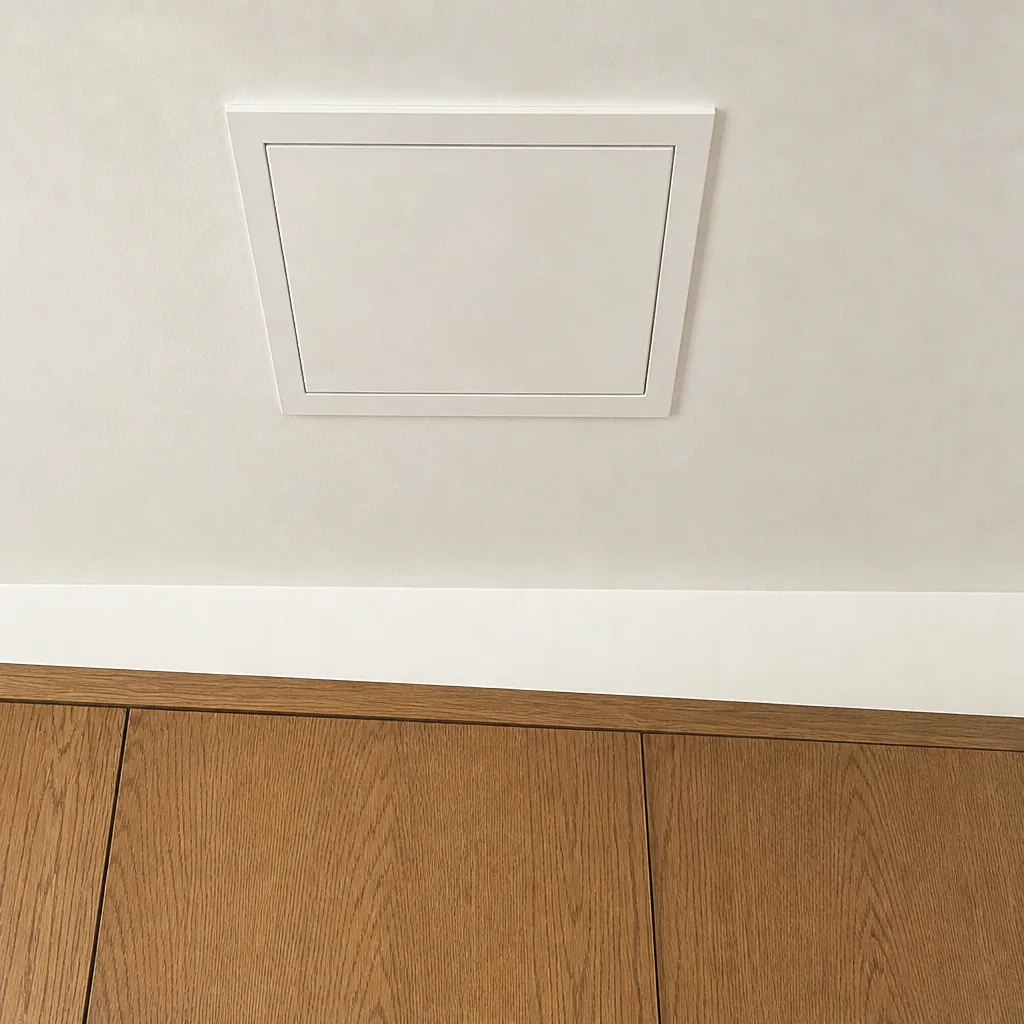 After
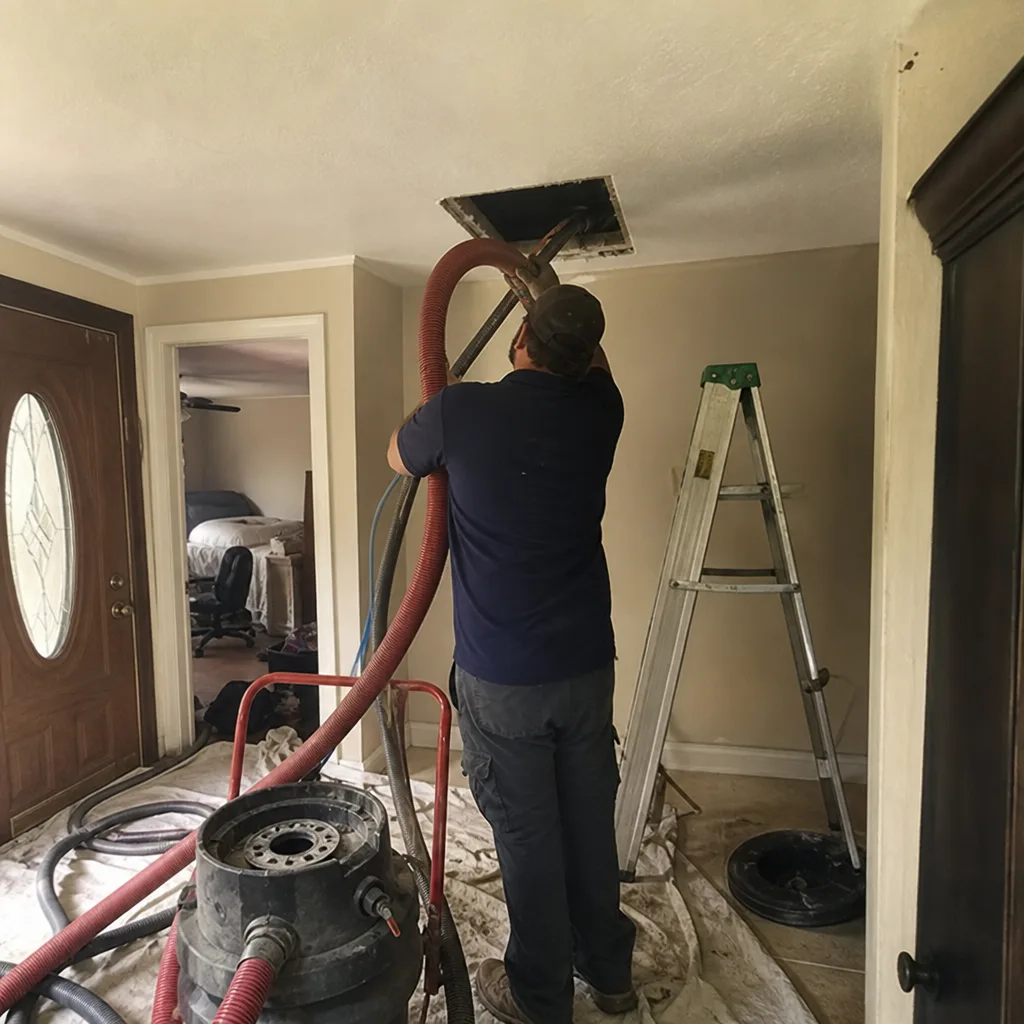 Before
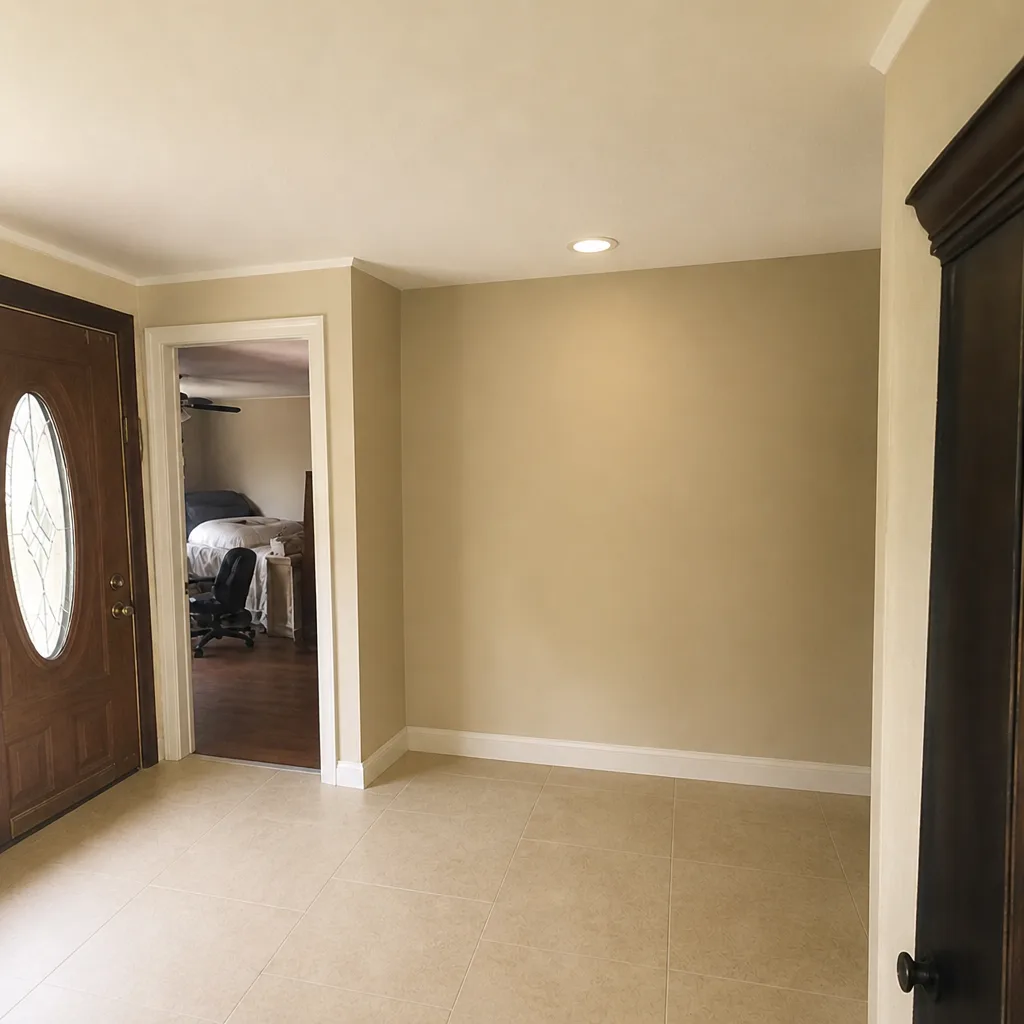 After
 Before
 After