
Last updated November 25, 2026
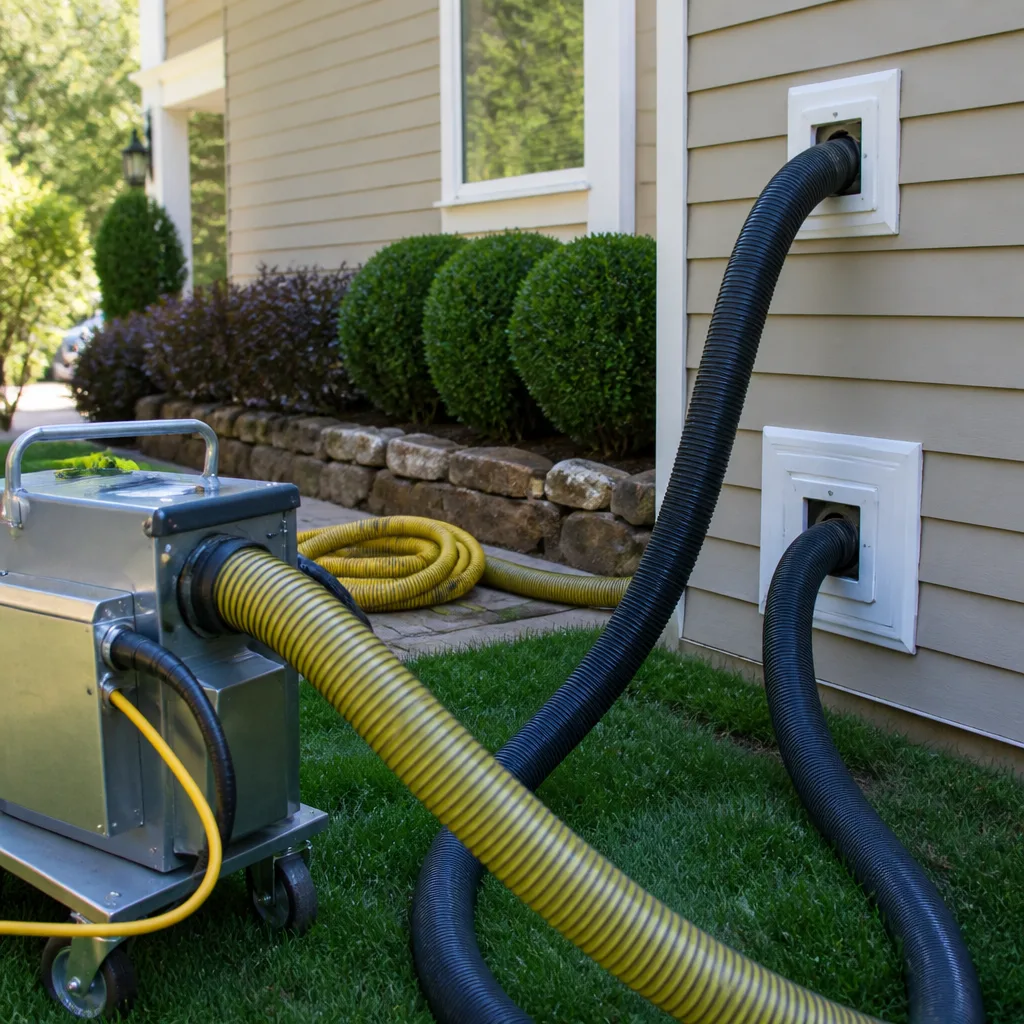 Whole-home duct cleaning
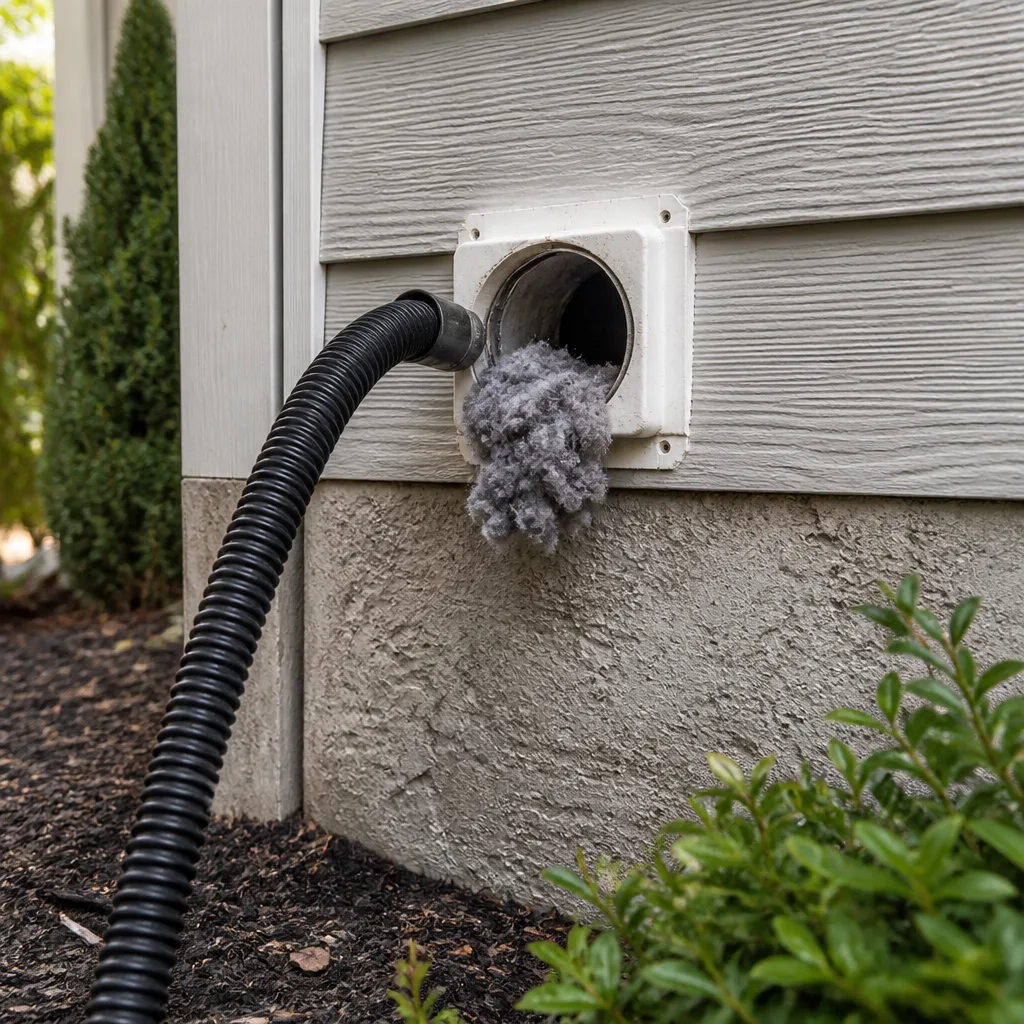 Dryer vent cleaning
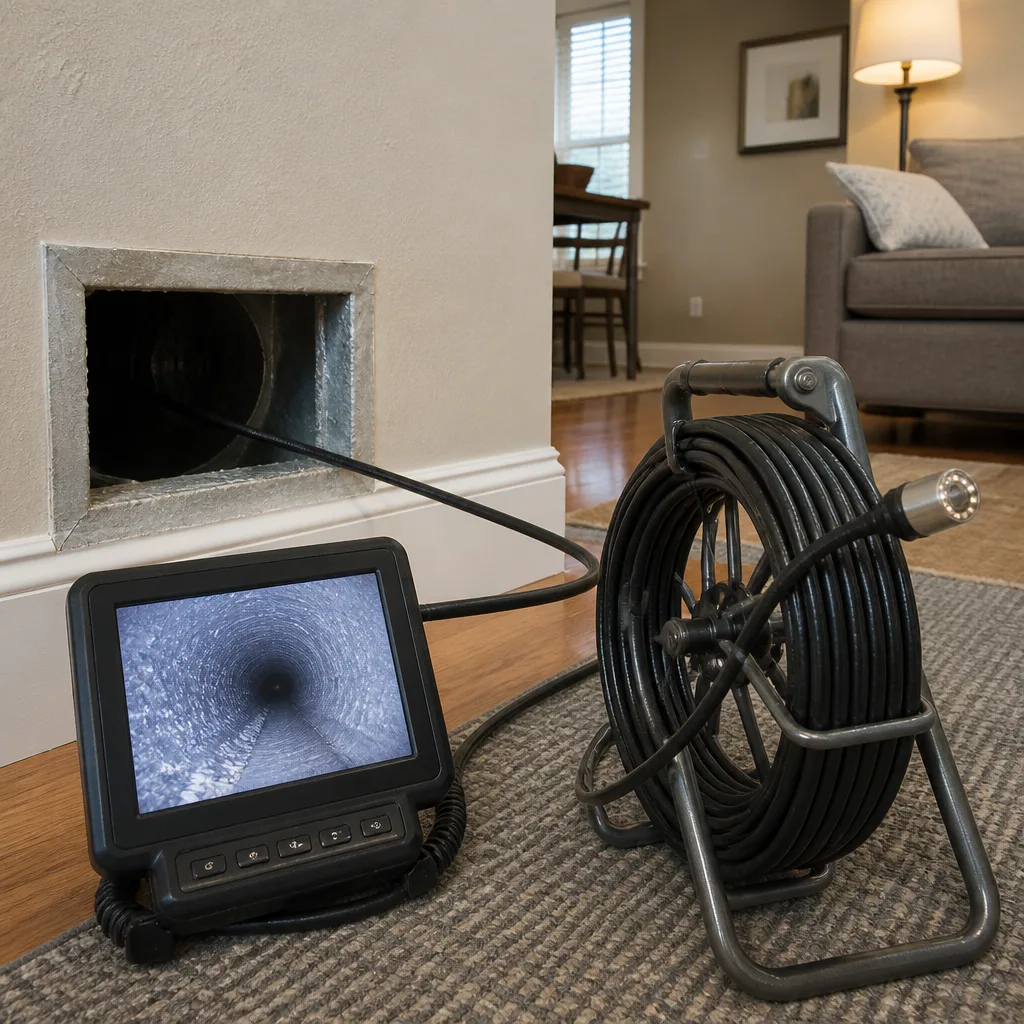 Camera inspection
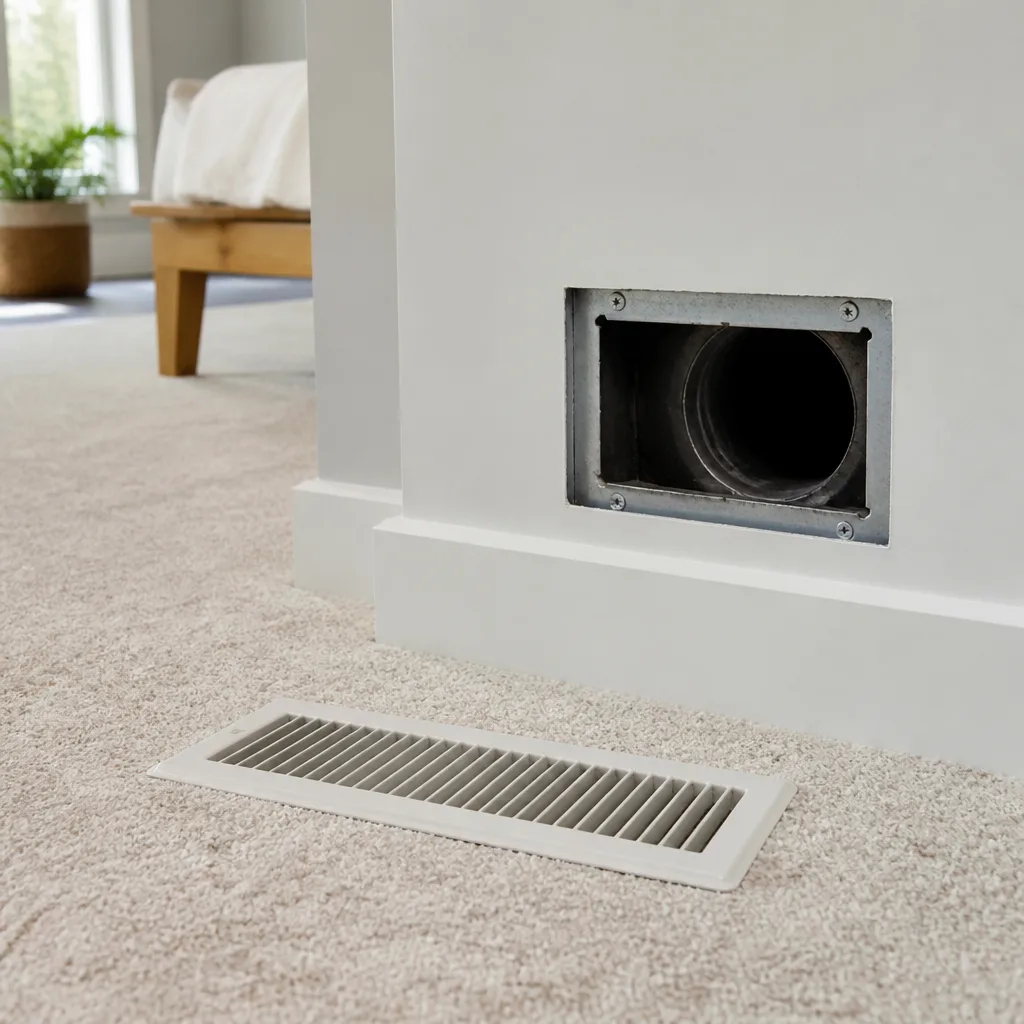 Sanitizing & deodorizing
Whole-system duct and dryer vent check with before-and-after photos - you see exactly what came out of your vents
That "$99 whole-house special" is a bait ad - the real number appears once they are in your hallway, or the "clean" is a shop-vac at the register. We photograph the inside of your ducts before and after instead.
Air Duct Cleaning Permits, Codes & Inspections in Kingwood, TX: What You Need to Know
Here’s the part that surprises most Kingwood homeowners: cleaning your ducts is not a permitted activity. Nobody from the city inspects a standard duct cleaning, and no paperwork changes hands. But the moment a contractor starts cutting into a duct run, replacing a section, altering the air handler connection, or wiring in a UV-C light, you’ve crossed from service work into regulated mechanical work under Texas code – and that trip comes with a permit, a license requirement, and an inspection. Most people never learn that line exists until a contractor is standing in their attic. This guide draws the line precisely, based on how the Texas mechanical code and Harris County procedures actually work in Kingwood.
Quick Answer
Basic air duct cleaning and sanitizing in Kingwood requires no permit – it’s routine maintenance, not construction. Permits and licensed HVAC contractor requirements kick in when a job involves modifying ductwork (cutting in new runs, replacing duct sections, altering plenum connections) or installing electrical components like UV-C purifiers and electronic air cleaners. Kingwood properties fall under Harris County jurisdiction for unincorporated areas and City of Houston permitting for the portions inside Houston city limits, so which authority applies depends on your address. Any regulated mechanical work must be done by a contractor holding a valid Texas HVAC license, verifiable through TDLR.
Styles & brands we work with
- Whole-home duct cleaning
- Dryer vent cleaning
- Camera inspection
- Sanitizing & deodorizing
Table of Contents
- Is a Permit Required for Air Duct Cleaning in Kingwood?
- What Texas Mechanical Code Says About Duct Cleaning vs. Duct Modification
- Harris County vs. City of Houston: Which Authority Governs Your Kingwood Address?
- When You Need a Licensed HVAC Contractor vs. a Cleaning Specialist
- UV-C Purifiers and Electronic Air Cleaners: The Electrical Permit Most Homeowners Miss
- How to Verify a Contractor’s Texas HVAC License Through TDLR
- What Gets Inspected and What Doesn’t
- What Documentation You Should Keep After the Work
Is a Permit Required for Air Duct Cleaning in Kingwood?
No. Air duct cleaning in Kingwood is not a permitted activity, and that’s true whether the ducts serve a single-family home in Elm Grove or a light-commercial space in Town Center. Cleaning removes accumulated dust, debris, and biological buildup from inside existing ductwork – it doesn’t alter the system’s structure, its mechanical components, or its electrical connections. From a code standpoint, it falls squarely in the maintenance category, alongside changing a filter or vacuuming a register.
What this means practically:
- No permit application, no plan review, no inspection scheduling
- No licensed HVAC contractor requirement (though a competent specialist still matters enormously)
- No disclosure to the county or city required for basic cleaning and sanitizing
- No record of the work filed with any permitting authority
That’s the good news. The confusing part is that “duct cleaning” and “ductwork work” sound nearly identical, and they aren’t. The moment a crew cuts a new opening in a duct trunk, replaces a length of flex duct that’s collapsed, reseals the connection at the air handler, or extends a run to serve a renovated room, the scope has shifted from cleaning into mechanical alteration. At that point Texas rules apply, and depending on the address, so do county or municipal permitting requirements. This distinction between cleaning-and-sanitizing on one side and ductwork modification on the other is precisely what determines whether your Kingwood project needs a permit.
Duct sealing sits in an awkward middle ground. Sealing existing joints and seams with mastic or approved tape to reduce air loss is typically treated as maintenance and generally doesn’t require a permit. Rebuilding a duct section, resizing a run, or replacing a plenum connection generally does. When we look at a system that’s leaking badly, the honest conversation is whether the job is a sealing job or a duct replacement job, because the two have different code pathways.
What Texas Mechanical Code Says About Duct Cleaning vs. Duct Modification
Texas adopts the International Residential Code, and Chapter M of that code sets the requirements for duct systems – materials, sizing, sealing, and how ductwork may be installed or modified. For our purposes, one distinction drives everything:
Maintenance keeps an existing system functioning as built. Cleaning, sanitizing, filter changes, and minor sealing fall here. No permit, no license required for the work itself.
Alteration changes the system’s engineered design or components. Cutting new openings, replacing duct sections, changing the air handler connection, resizing a run, or changing the duct material is alteration. These require a permit in most jurisdictions and require a licensed mechanical contractor.
Why does this matter in Kingwood specifically? Because the local housing stock has a feature that pushes people toward alteration without realizing it. A large share of Kingwood homes were built in the 1970s through the 1990s, and duct systems from that era frequently use materials and connection methods that have been updated in later code cycles. A crew that’s simply cleaning an older system has no code obligation. But if that crew opens a duct and finds a collapsed trunk or a disintegrated flex connection, repairing it correctly is a mechanical alteration – and doing it without the proper license and, where the local authority requires it, without a permit, creates a real problem. It’s one thing to clean a system. It’s another to rebuild part of it.
This is also why we always establish, before a job starts, whether the scope is clean-and-seal or clean-and-repair. Our air duct cleaning service handles the routine end. Duct replacement and connection changes are a different scope with a different legal pathway – and any contractor who doesn’t raise that distinction before touching a system is telling you something about how they operate.
For a homeowner, the takeaway is short: cleaning is always fine, sealing is usually fine, and structural duct changes always treat as regulated mechanical work until you’ve verified otherwise.
Harris County vs. City of Houston: Which Authority Governs Your Kingwood Address?
This is the part that trips up even experienced contractors, so let’s be precise. Kingwood is a community in northeast Harris County, and its properties do not all fall under the same permitting authority. Some Kingwood addresses lie within the City of Houston’s jurisdiction, and some do not. Your address, not the subdivision name, determines which permitting authority applies to any regulated mechanical work on your property.
Here’s how to determine yours:
- Check your property records. The county appraisal district record lists the taxing entities and municipality of record for each property. If it shows Houston, you’re likely inside Houston’s jurisdiction for permitting purposes.
- Call the authority directly. For any regulated ductwork alteration, call the number on the municipal or county permitting page and give your address. The clerk can tell you in a minute whether that address falls within their jurisdiction.
- Ask your contractor which authority they file with. A licensed mechanical contractor knows their own jurisdiction and won’t guess. If they won’t tell you which office they’d file with, that’s your answer.
Why does this matter in practice? Because the building official, not the contractor, decides what scope needs a permit. Two different authorities can read the same scope differently, and an inspection that a Houston-issued permit covers is not the same inspection a county permit covers. It’s the kind of detail that only comes up when something goes wrong – a resale inspection, a homeowner insurance claim after a water intrusion, or a code complaint from a neighbor – and by then the work is already inside your walls and ceilings.
For most Kingwood work, you’ll never touch any of this. Cleaning a system in Kings Point or Foster’s Mill doesn’t involve permits. But if your project involves duct replacement, a new air handler connection, or electrical work, the jurisdiction question is the first question, not the last. Our recommendation is simple: confirm which authority governs the address before any regulated scope begins, not after.
Also relevant: inside that jurisdiction, inspections need to happen on a schedule, and crews need to be on site for the inspection. A contractor who can’t tell you which authority will issue and inspect their permit shouldn’t be doing the work.
When You Need a Licensed HVAC Contractor vs. a Cleaning Specialist
The practical rule: cleaning is a specialist’s job; modification is a licensed HVAC contractor’s job. If a company is coming to clean the duct system, sanitize it, and seal existing joints, that’s not work Texas requires a licensed mechanical contractor to perform. If a company is opening and replacing duct sections, rebuilding the air handler connection, or fundamentally altering the system’s layout, Texas requires a licensed HVAC contractor with a current license from the Texas Department of Licensing and Regulation (TDLR).
Here’s where it gets genuinely useful for Kingwood homeowners. Some companies hold both capabilities within their crew. Some don’t. The legal question isn’t just “what work is being done,” it’s “who is doing the work when the scope crosses the line.” If you hire a cleaning company that employs technicians with limited experience and no mechanical license to do a repair that requires one, the liability sits with you, not them.
Our honest approach with any Kingwood customer is to name the scope plainly before the work starts:
- Clean-and-sanitize scope: no permit, no license requirement, and our full attention on getting the system genuinely clean.
- Duct repair and sealing scope: depends on what we find. Sealing existing joints is maintenance; replacing duct sections is mechanical work.
- Duct replacement scope: requires a licensed mechanical contractor and, for most jurisdictions, a permit. If the scope goes there, we tell you before we touch anything.
A note on reputation: the bait-and-switch problem in this industry exists because cheap initial quotes often turn into large invoices once the crew is on site and “finds” additional work. Our model is one flat price per system agreed before work starts, and before-and-after photos of your own ducts so you can see exactly what was done. The local professionals we connect you with are licensed and insured as their state requires. When a scope needs a mechanical license, it goes to someone licensed for that scope – we won’t blur the line.
If you’re thinking about a project that involves duct repair or sealing, our Kingwood Air Duct Cleaning Co team can tell you which bucket a job falls into on a free estimate. We don’t guess on a scope we can’t see.
UV-C Purifiers and Electronic Air Cleaners: The Electrical Permit Most Homeowners Miss
Here’s the one that catches almost everyone. When a homeowner adds a UV-C air purifier or electronic air cleaner to their HVAC system, they’re adding an electrical component. That means wiring (typically 120-volt, sometimes tied to a 24-volt control circuit), a power source, sometimes a new junction box, and mounted equipment inside the ductwork. Electrical work is regulated almost everywhere, and Kingwood is no exception. Yet most homeowners who add a whole-home air quality device never see a permit in their life.
Two things are happening at once here:
- Some UV-C devices are designed as plug-in components or utilize existing low-voltage connections that don’t trigger a dedicated electrical permit. These are closer to appliance installations.
- Others require a new circuit, junction box, or hardwired connection to the home’s electrical system. These typically require an electrical permit, and the installation should be done by a licensed electrician or a properly licensed mechanical contractor whose license covers it.
Which category your device falls into depends on the device and the local authority’s read of the scope. That’s not something we can settle for you in a general guide – it’s something to confirm before installation starts, not after. When we install an air cleaning device – a Honeywell or Aprilaire whole-home solution, for example – that question gets asked before the first hole is drilled.
Electronic air cleaners have a similar pattern. An electrostatic or electronic air cleaner installed in the return trunk draws power and needs its controls mounted and wired. It’s an electrical appliance embedded in your HVAC system. For a device of that kind, the question of an electrical permit is legitimate and worth asking.
Our practical advice for Kingwood homeowners considering air quality upgrades: ask the installing contractor two questions. “Does this installation require a new electrical connection?” and “Which permit, if any, does this installation require under our local authority?” A contractor who can answer both clearly and in writing is a contractor you can trust with a device that’s going to run inside your ductwork for the next decade.
For the record, adding whole-home air quality devices isn’t the only time this question comes up. Our air duct cleaning service never involves electrical work, and neither does routine dryer vent cleaning. The electrical permit question belongs specifically to the installation of powered air quality components – not to cleaning, not to vent work, not to sealing.
How to Verify a Contractor’s Texas HVAC License Through TDLR
This is a five-minute task that protects you from the most expensive kind of contractor mistake. The Texas Department of Licensing and Regulation (TDLR) licenses air conditioning and refrigeration contractors, and it maintains a public, searchable license database. Before any contractor does regulated ductwork alteration on your Kingwood property, verify their license. It’s free, it’s fast, and it’s decisive.
- Get the contractor’s legal business name and license number. Ask for it in writing. A legitimate contractor holds both.
- Search the TDLR database on the TDLR website for air conditioning and refrigeration contractor licenses. The database is public.
- Confirm three things: that the license is current (not expired), that the license type matches the work being done, and that the business name matches your contract.
- Ask about the responsible person. Texas licenses operate through a qualifier – the individual who holds the technical qualification. A license with a name that doesn’t match the company you hired is a red flag.
- Screenshot or save the search result. If the work ever gets inspected or covered by a resale, you have the record.
A few honest caveats. Cleaning-only work doesn’t require an HVAC license, so a cleaning specialist (including our team) may not have a mechanical contractor license, and that’s completely normal. The license requirement applies to the regulated mechanical work. Second, an expired or lapsed license is functionally no license at all, so check the current status rather than just confirming a number exists. Third, TDLR maintains a complaint history for licensed contractors – worth checking if a quote feels suspiciously low and the scope is large.
We’ll say it plainly: the local professionals we connect you with for licensed mechanical scope are licensed and insured as their state requires. We don’t invent or imply license numbers – if you ask, we’ll tell you whose license is doing the regulated work, and you can verify it yourself.
What Gets Inspected and What Doesn’t
This section is where most guides get fuzzy, so let’s be direct.
What doesn’t get inspected: routine duct cleaning, sanitizing, filter changes, register cleaning, dryer vent cleaning, and minor sealing of existing joints. These are maintenance. No inspector is coming. No paperwork is filed. You get a clean system, before-and-after photos, and an invoice.
What typically gets inspected: duct replacement, duct extension into new space, air handler connection changes, and installations that alter the mechanical layout of the system. These fall under permitted mechanical work in Kingwood’s jurisdictions, and the inspection typically covers workmanship, sealing at connections, and code compliance for the installed scope. A rough-in inspection frequently happens before everything’s closed behind drywall. A final inspection follows.
What’s ambiguous: UV-C and electronic air cleaner installations. As covered above, the permit requirement depends on whether new electrical connections are involved. Where a permit is required, an electrical inspection typically follows.
What this means in practice – the sequence matters. A proper Kingwood duct replacement doesn’t happen in one day. It follows this path: scope confirmation, permit application to the appropriate authority, permit issuance, installation, rough-in inspection, final inspection, and then the records stay with the property. A crew that shows up unannounced, replaces duct sections, and hands you an invoice with no permit is a crew that’s transferring all the risk to you. If that ductwork later becomes the subject of a resale disclosure, a code complaint, or an insurance claim, “nobody inspected it” is not a defense.
For cleaner work, no inspection is required because no permit was required. That’s permissive and honest. For duct replacement, an inspection is the homeowner’s protection and it belongs in the project plan from day one. If a Kingwood contractor quotes a duct replacement without any mention of permitting or inspection, ask about it before signing anything.
What Documentation You Should Keep After the Work
A surprisingly useful habit, and one almost nobody does: keep a ductwork file. Whether the work is a simple cleaning, a full HVAC cleaning, or a regulated duct replacement, that file will pay for itself eventually – during resale, during an insurance claim, or when the next contractor asks what’s already been done.
For any Kingwood duct project, keep:
- The written estimate. Not the phone quote. The written estimate with the scope spelled out plainly.
- The invoice. Shows what was done and when.
- Before-and-after photos. We supply these as standard practice because the industry’s trust problem is real. Photos prove work happened.
- Any permit documents for regulated mechanical or electrical scope, including the permit number and inspection sign-off.
- Copies of the contractor’s license for any regulated mechanical work performed.
- Product documentation for any installed equipment – UV-C lamps, filters, air cleaners, whole-home solutions. These come with maintenance requirements and replacement schedules.
Additionally, note the date of the work. If a duct system was cleaned and sealed now, the sealant has a lifespan that varies with the material. The record is what lets the next contractor know whether re-sealing is due.
One more practical Kingwood note: our local buildings don’t need a freeze-protection or salt-air consideration, but East Texas humidity does affect duct materials and interior dust accumulation over time. Duct replacement in a Kingwood home is generally a moisture consideration as much as a mechanical one. The records show what materials were installed and when, which matters when a future contractor has to explain why a section is failing.
Common Mistakes to Avoid
- Assuming no permit means no license needed. These are two separate questions. Cleaning requires no permit and no HVAC license. Regulated duct replacement requires both. Most homeowners conflate the two, and a contractor who doesn’t raise the distinction probably can’t be trusted to raise it later.
- Treating duct replacement as a cleaning add-on. It’s a distinct scope of work under the Texas mechanical code. Booking it as “part of the same visit” as a cleaning is fine legally only if the scope, the license, and the permit are accounted for. If they’re not, the scope is being done off the books.
- Not verifying which authority governs the Kingwood address. Some Kingwood properties are inside Houston’s jurisdiction and some aren’t. A permit issued by the wrong authority is essentially a permit that doesn’t exist, and the inspection won’t correspond to the actual scope.
- Skipping the UV-C electrical permit question. A device that draws a new electrical connection usually needs an electrical permit. A device that plugs in or uses existing low-voltage control may not. Confirm which category yours is in before installation begins, not after the holes are cut.
- Not checking TDLR. Confirming a contractor’s license through TDLR’s public database is five minutes. Skipping it means trusting a claim you could verify.
- Skipping the duct documentation file. The photos, the invoice, the permit, and the license copy are worth keeping. A future buyer, insurer, or contractor will want to know exactly what was done and when.
- Hiring on price alone. A quote that’s noticeably lower than everyone else’s usually means the scope is missing something – a permit, a license, a proper inspection, or the correct sealant on a sealing job. Price is the least important variable in this category.
If you’re unsure of the scope or the permit question on a Kingwood project, our team at Kingwood Air Duct Cleaning Co is glad to talk it through on a free estimate.
See the difference
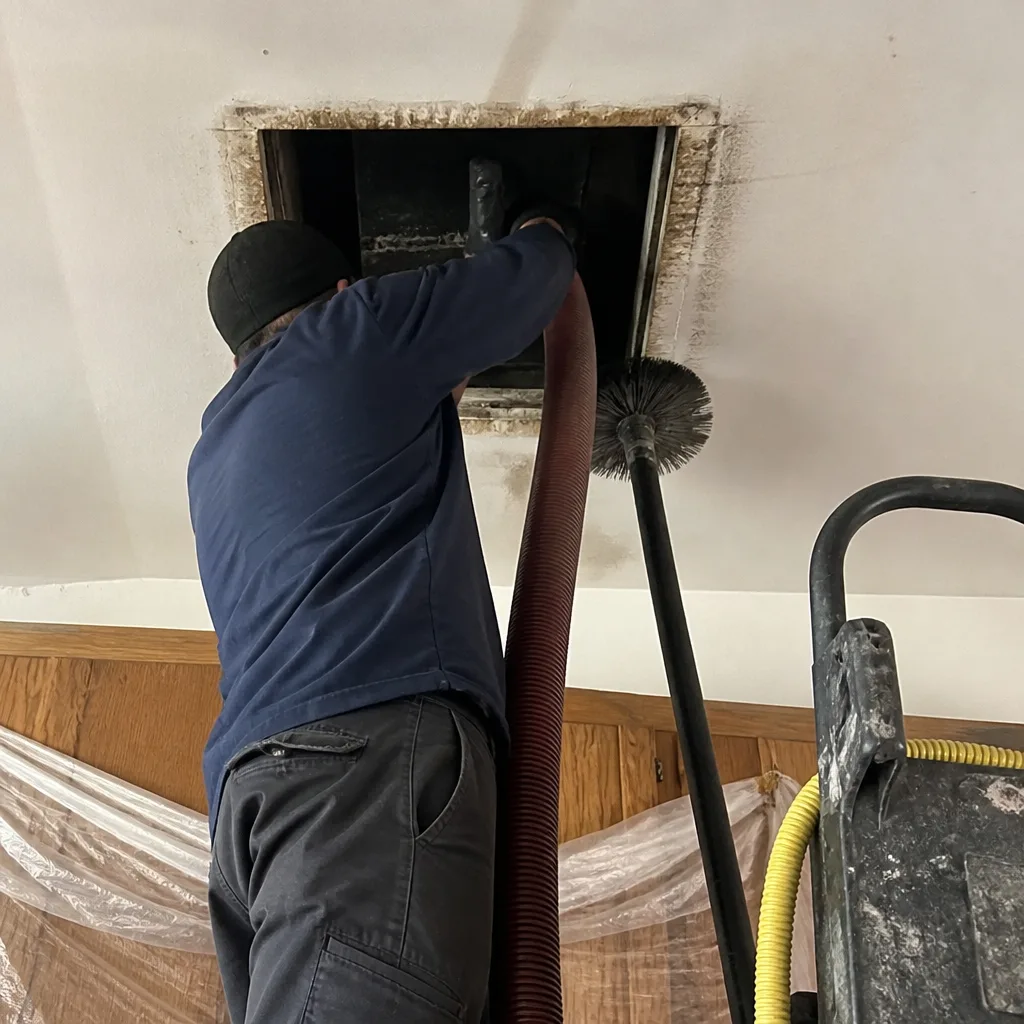 Before
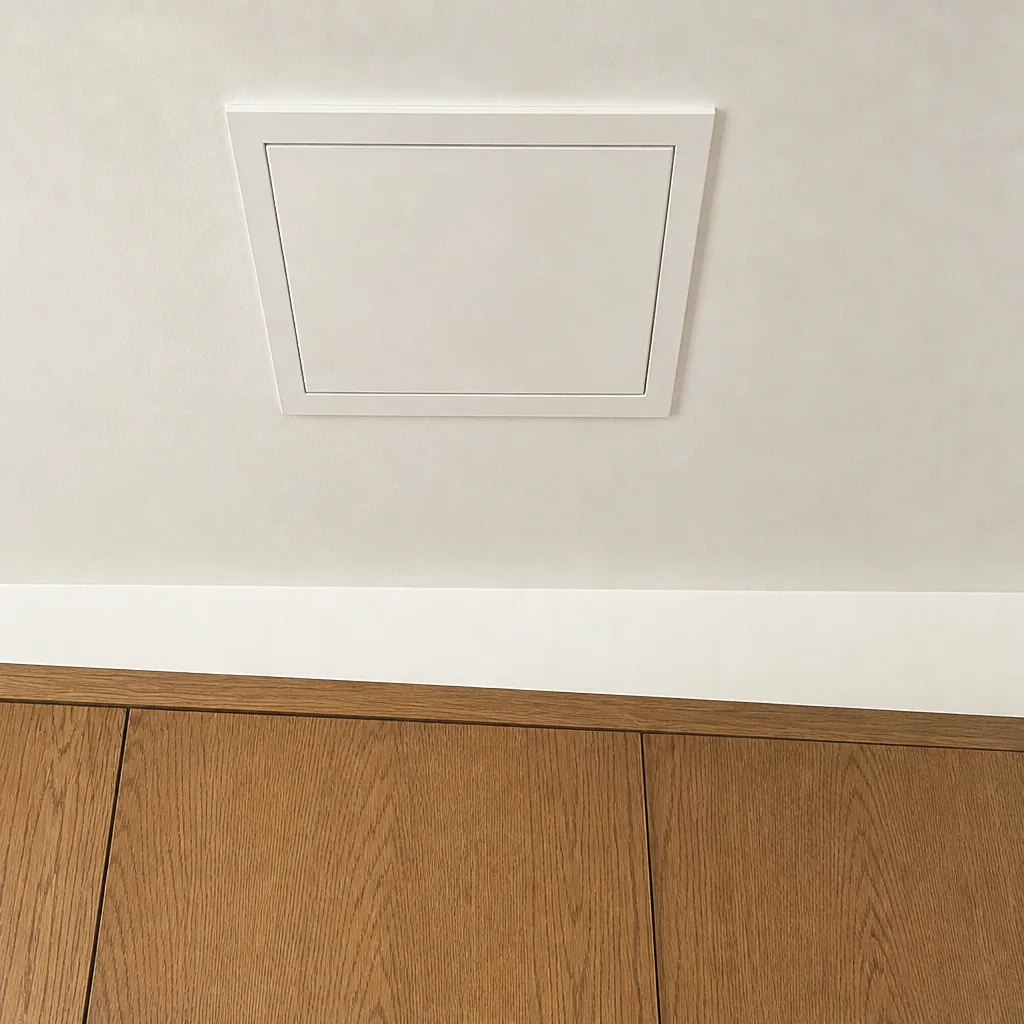 After
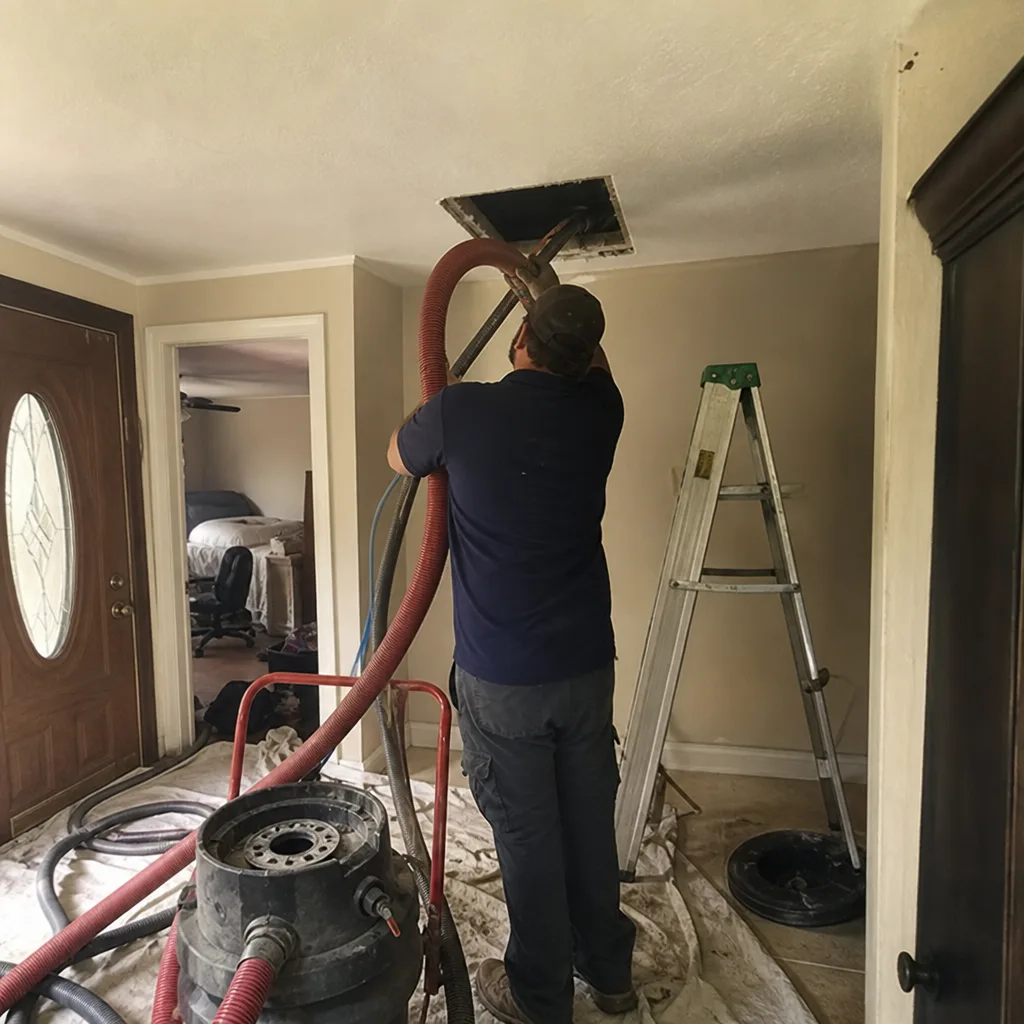 Before
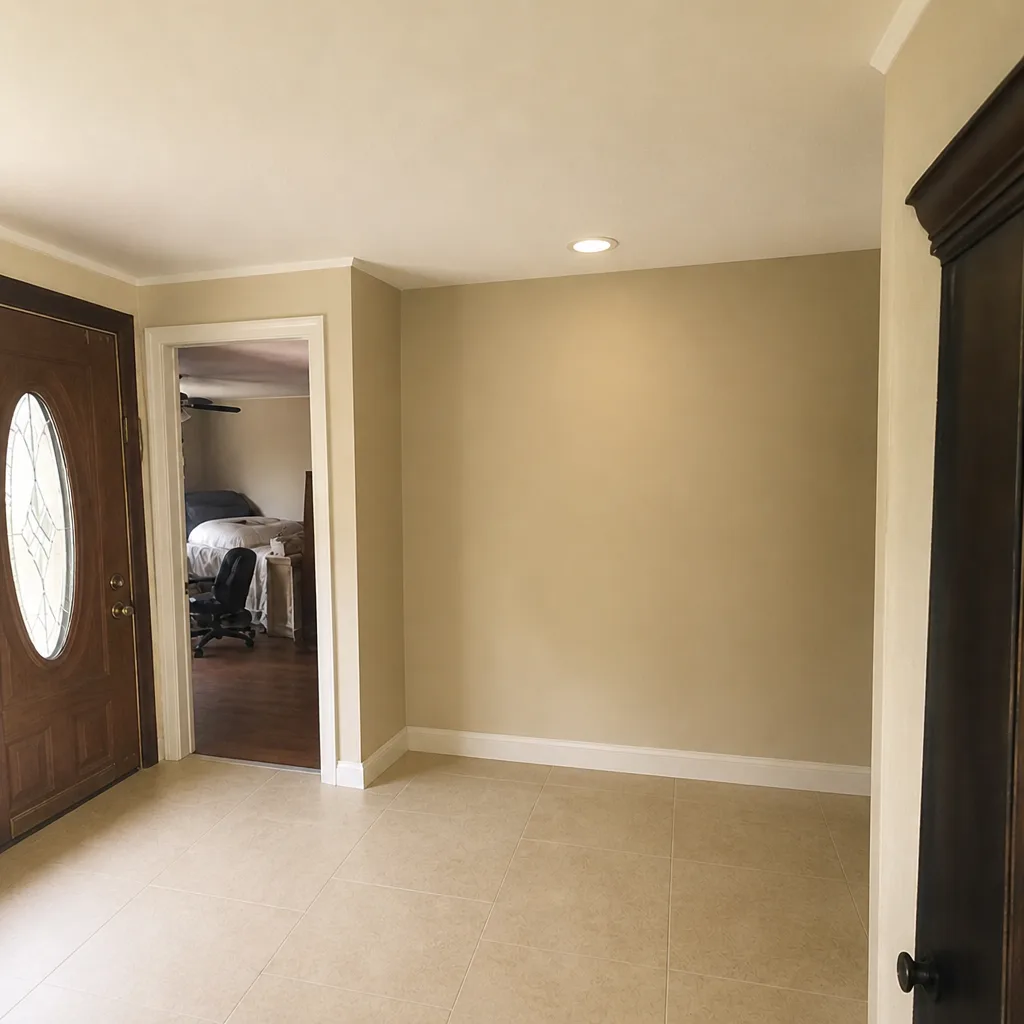 After
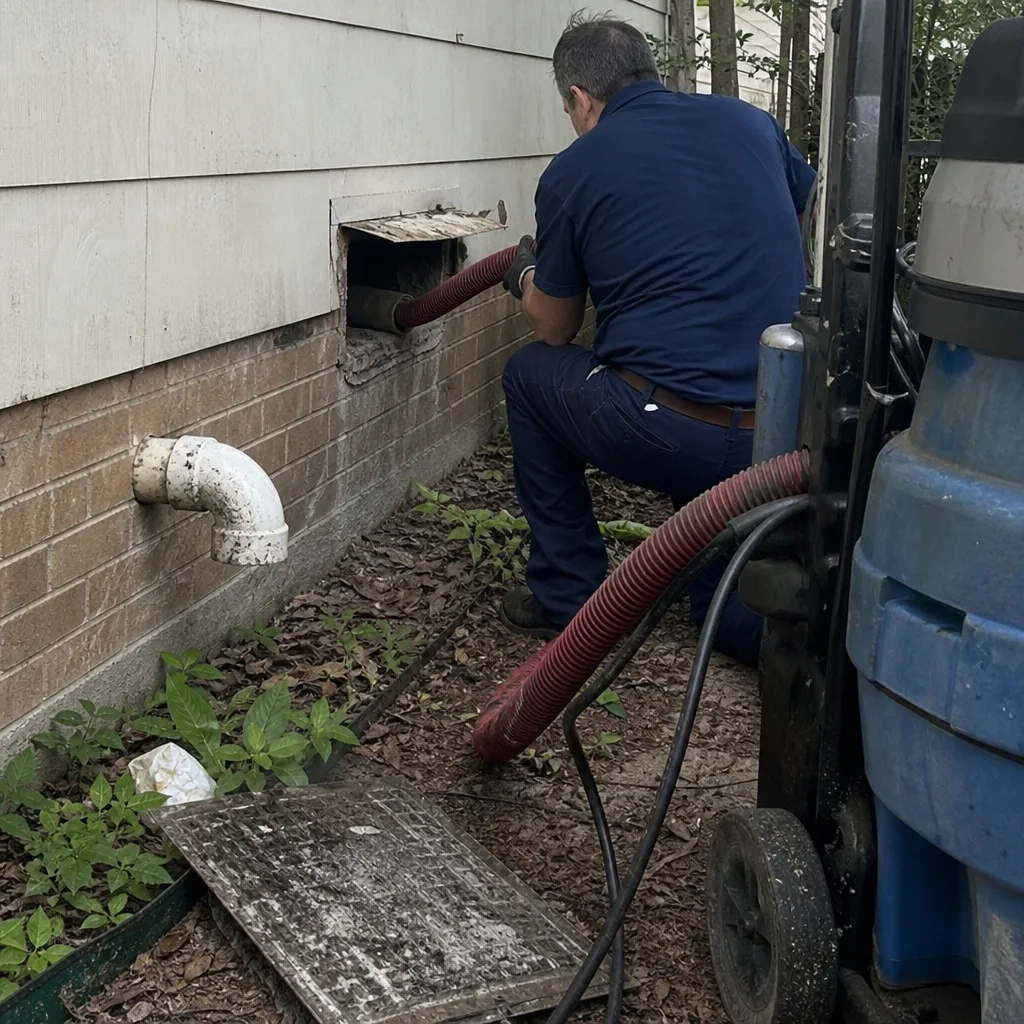 Before
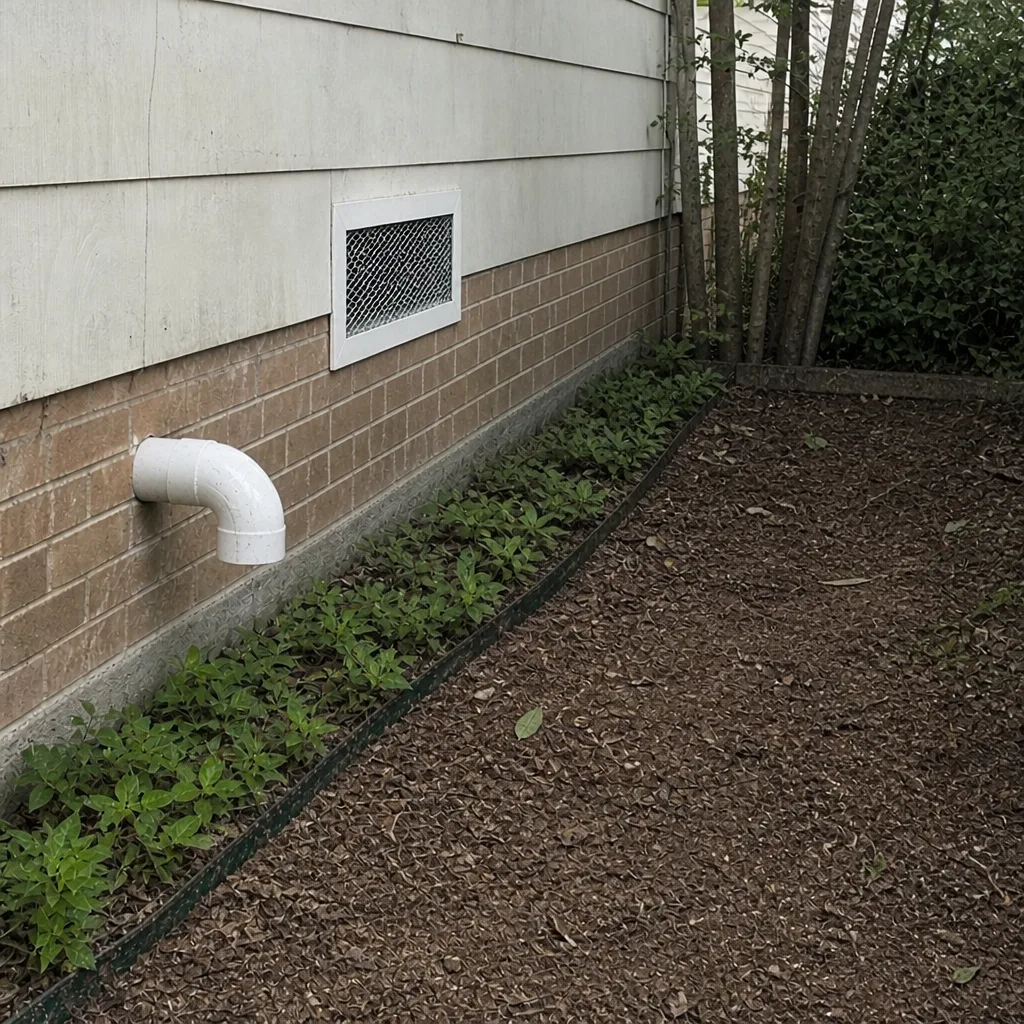 After
When to Call a Professional
Call a professional when the scope involves regulating something in your duct system, when the system has never been cleaned and the dust problem is real, or when the air handling feels wrong. Specifically: call if you’re considering a duct replacement, a new air handler connection, or a UV-C or electronic air cleaner installation – all of these have a code pathway worth confirming. Call if the ductwork has visible debris buildup, if there’s a musty odor every time the system cycles, if a recent renovation kicked up drywall dust, or if a family member’s allergies or asthma symptoms spike indoors. Also call if the last cleaning was more than a few years ago, or if the last contractor was a “same-pitch, same-price, no paperwork” operation and you can’t tell whether the work was actually done.
Kingwood Air Duct Cleaning Co offers free estimates in Kingwood. Call (833) 991-7731. We answer 24/7. Fast dispatch from 7am to 7pm, Sunday through Friday. We use professional-grade Rotobrush and Nikro duct cleaning systems and can bring Abatement Technologies equipment if the system needs it. One flat price per system agreed before work starts, before-and-after photos of your own ducts, and a satisfaction guarantee accompany the work.
Frequently Asked Questions
No permit is required for air duct cleaning in Kingwood. Cleaning is considered routine maintenance, and neither Harris County nor City of Houston (whichever governs your address) requires a permit for cleaning and sanitizing existing ductwork. Permits only come into play when the work involves modifying the duct system or installing electrical components. Call (833) 991-7731 for a free estimate on cleaning – estimates are free.
It depends on what’s being sealed. Sealing existing joints and seams with mastic or approved tape is generally treated as maintenance and typically doesn’t require a permit or a licensed mechanical contractor. Rebuilding a duct section, resizing a run, or altering the plenum connection is mechanical alteration and typically requires both a permit and a licensed HVAC contractor. Confirm which category your project falls into before work starts. The team at Kingwood Air Duct Cleaning Co is glad to help you scope it out on a free estimate.
Often yes, sometimes no. A UV-C device that requires a new electrical circuit or junction box is likely to need an electrical permit. A device that plugs in or operates on existing low-voltage controls may not. The specific requirement depends on the device and on the authority governing your Kingwood address. Ask the installing contractor directly, and confirm the scope before installation, not after. Call (833) 991-7731 if you want to talk through a planned installation.
Use the Texas Department of Licensing and Regulation (TDLR) public license database. Ask the contractor for their legal business name and license number in writing, then search the TDLR site to confirm the license is current and matches the scope. Also check the license type and the responsible qualifier’s name. If the license is expired, the number doesn’t matter. Call (833) 991-7731 for an estimate on cleaning or to ask questions about scope.
It depends on your specific address. Some Kingwood properties fall within the City of Houston’s permitting jurisdiction, and others fall under Harris County. Your property records and the county appraisal district will indicate the jurisdiction, and a call to the appropriate permitting office will confirm it. Regulated duct replacement requires a permit filed with the correct authority, and the inspection follows from that. Call (833) 991-7731 to ask about the scope of a project before you commit.
No permit is required for dryer vent cleaning in Kingwood, and no inspection applies to routine vent cleaning. It’s maintenance work, not construction. Dryer vent cleaning is nonetheless a fire-safety service – a leading cause of residential house fires – and worth doing on a regular interval. Call (833) 991-7731 for a free estimate on dryer vent cleaning and a full check of the vent pathway.
The Bottom Line
The line between a service job and a regulated mechanical job in Kingwood comes down to one question: are you cleaning an existing system, or are you modifying it? Cleaning, sanitizing, minor sealing, and vent cleaning are all maintenance – no permit, no HVAC license requirement, no inspection. Replacing duct sections, altering the air handler connection, extending the system into new space, or installing electrical components like UV-C purifiers moves the work into regulated territory, where a permit from the correct authority and a TDLR-verified mechanical license apply. The jurisdiction question (Harris County or City of Houston) depends on your specific address, not the subdivision name. Get the scope in writing before any work starts, and verify the license yourself. That’s the whole protection. Call (833) 991-7731 for a free estimate from Kingwood Air Duct Cleaning Co. We answer 24/7. Fast dispatch from 7am to 7pm, Sunday through Friday. One flat price per system, before-and-after photos, and a satisfaction guarantee.
Written by the team at Kingwood Air Duct Cleaning Co.