
Last updated November 25, 2026
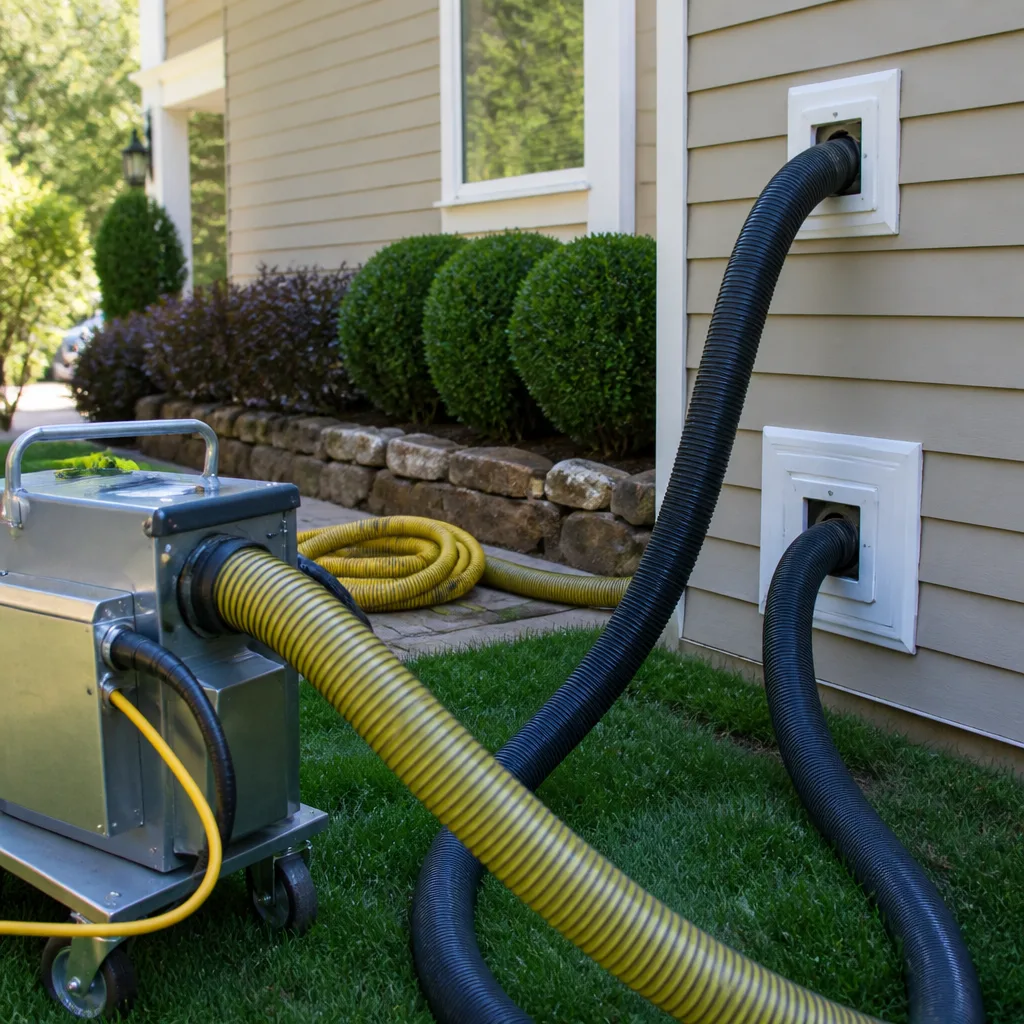 Whole-home duct cleaning
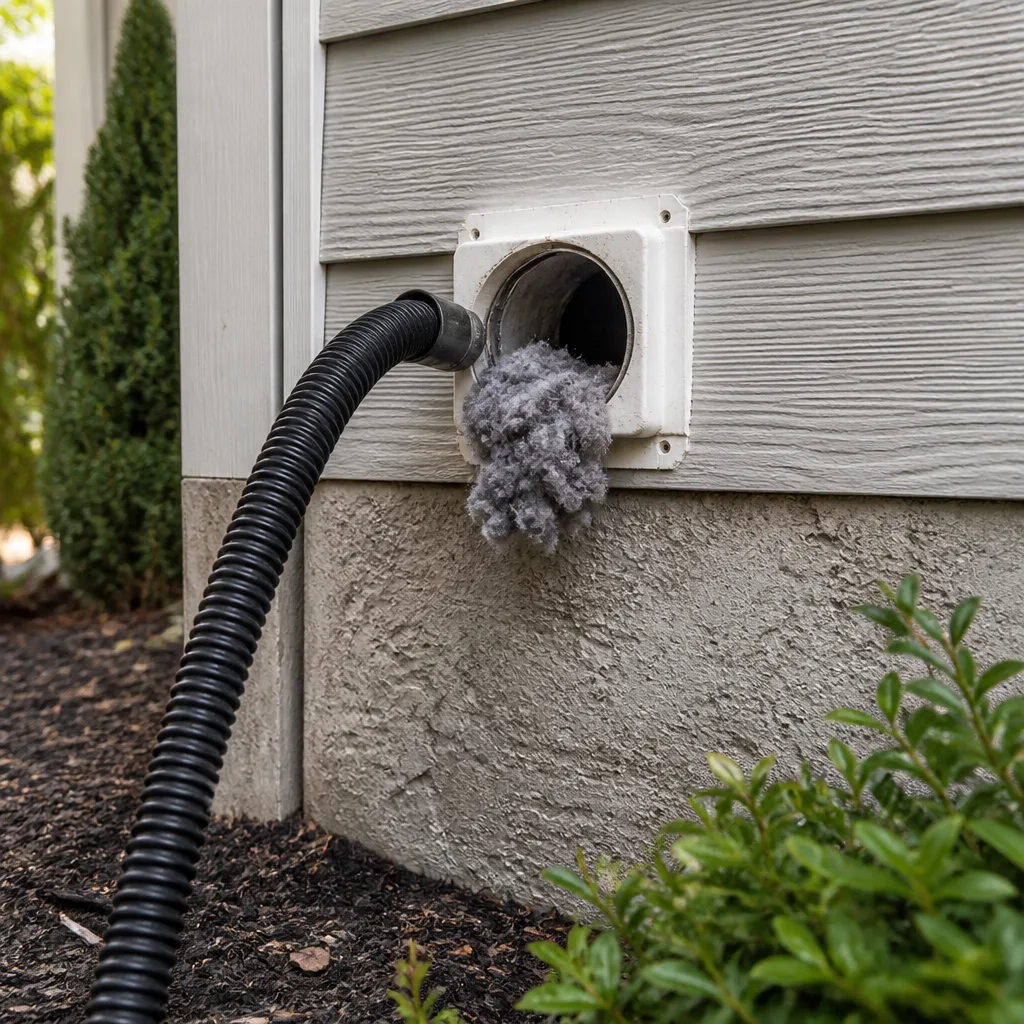 Dryer vent cleaning
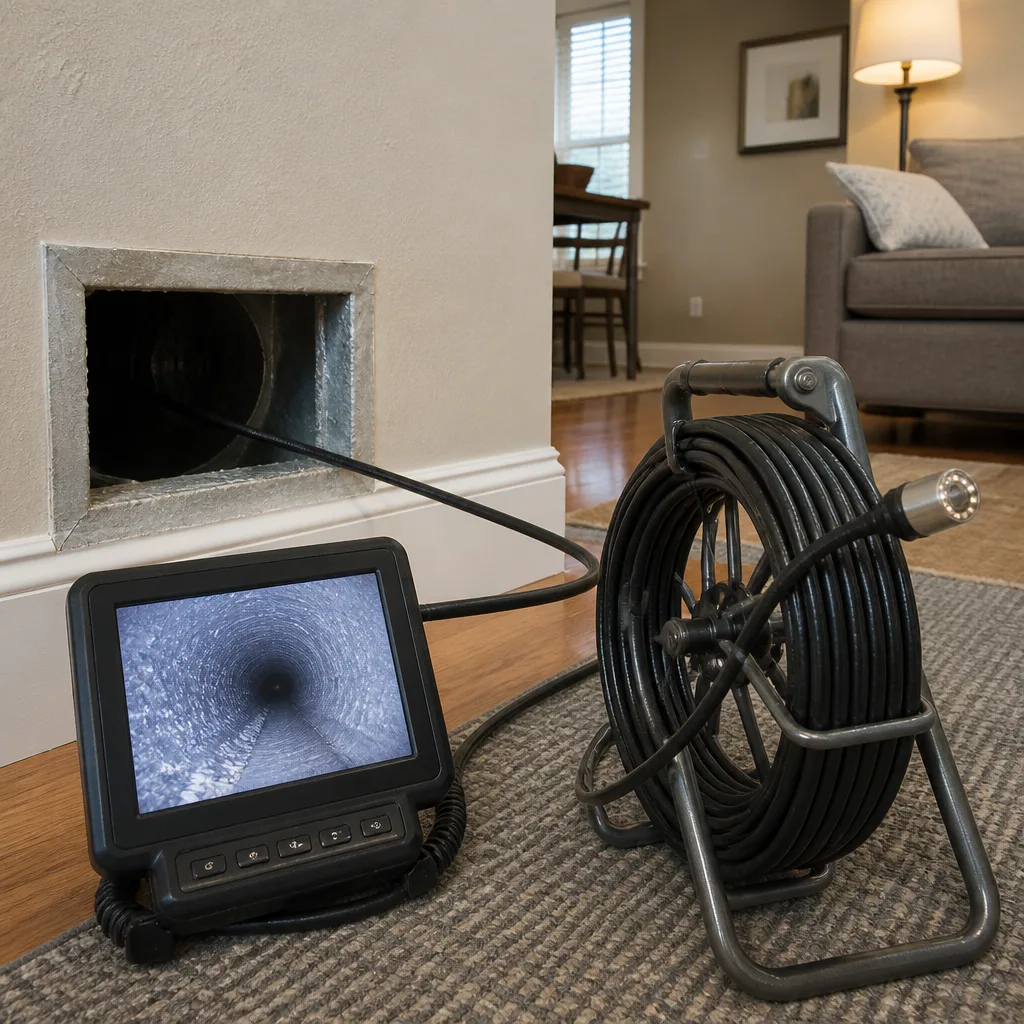 Camera inspection
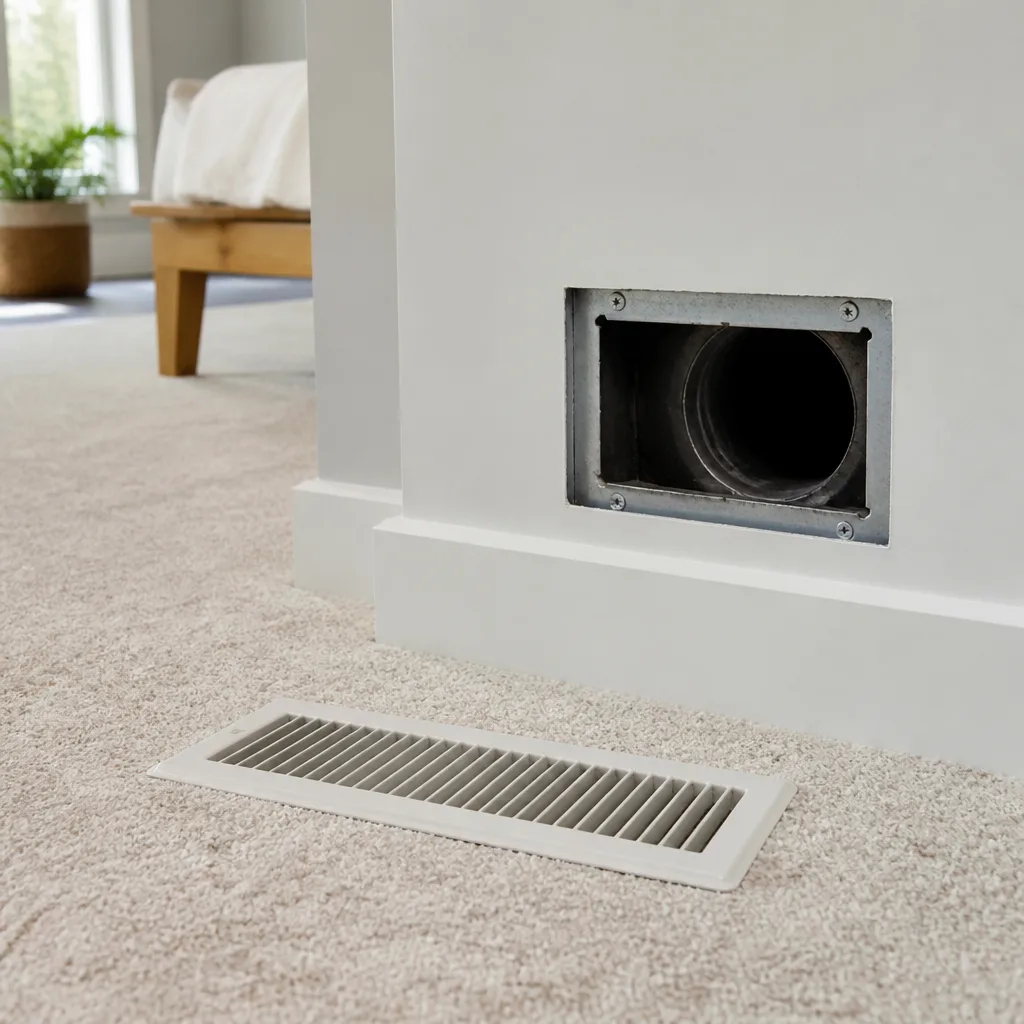 Sanitizing & deodorizing
Whole-system duct and dryer vent check with before-and-after photos - you see exactly what came out of your vents
That "$99 whole-house special" is a bait ad - the real number appears once they are in your hallway, or the "clean" is a shop-vac at the register. We photograph the inside of your ducts before and after instead.
Air Duct Cleaning Emergency Preparedness Guide for Kingwood Homes
Most Kingwood homeowners who lived through a major flood will tell you the same thing: they replaced the drywall, pulled the carpet, treated the studs, and moved back in. The ductwork never got a second look. It’s the part of the house that sits above the ceiling and behind the walls, so it’s easy to forget when the visible damage is what fills the dumpster. But a duct system that took on water, attic humidity, or storm-driven particulate doesn’t heal itself. It keeps circulating whatever it absorbed. This guide walks you through how storms affect ducts in Kingwood, when cleaning is enough, when it isn’t, and how to document damage so your insurance claim actually moves.
Quick Answer
After a flood or major storm in Kingwood, duct cleaning is urgent (not cosmetic) whenever the system took on water, ran during the storm, or sat in a flooded attic or crawl space for more than about 48 hours. In those cases the scope usually shifts from cleaning to drying, sanitizing, sealing, and sometimes partial replacement. If the ducts stayed dry and the HVAC was shut down before water reached them, a standard cleaning and inspection is usually enough. Either way, get a written inspection before you file the claim.
Styles & brands we work with
- Whole-home duct cleaning
- Dryer vent cleaning
- Camera inspection
- Sanitizing & deodorizing
Table of Contents
- How a Storm Compromises Your Ducts Before It’s Even Over
- The 48-Hour Decision Window After Flooding
- The Mold-in-Ductwork Timeline for Kingwood Flex Duct
- How to Document Duct Damage for an Insurance Claim
- Pre-Storm Preparation Checklist for Kingwood Homes
- Your Post-Storm First Inspection Checklist
- Cleaning vs. Sanitizing vs. Replacement: How to Decide
- Why Dryer Vents Deserve a Spot on Your Storm Checklist
How a Storm Compromises Your Ducts Before It’s Even Over
Duct damage during a hurricane or tropical storm rarely happens in a single dramatic moment. It accumulates. Roof shingles lift, sheathing gets saturated, and water starts tracking down into the attic where most of a Kingwood home’s flex duct runs. From that point forward, the duct system is being compromised while the storm is still overhead.
There are three mechanisms at work, and each one leaves a different signature:
- Roof and soffit leaks. Water enters the attic and drips onto duct runs, insulation wraps, and the air handler cabinet. Flex duct with a compromised outer jacket absorbs moisture into the inner liner, which is where mold gets its start.
- Attic flooding and standing water. In low-lying Kingwood neighborhoods near the San Jacinto River and its tributaries, storm surge and heavy rainfall can push water into attics through soffit vents and gable openings. Any duct section sitting in standing water is done – it cannot be dried back to a safe condition in place.
- Pressure changes and duct movement. High wind creates pressure differentials across the building envelope. Ducts that were never properly supported can sag, disconnect at joints, or pull loose from ceiling boots. A disconnected return in an attic full of storm debris pulls that debris straight into the air handler.
Here’s the part most homeowners miss: if the HVAC system was running when water entered the attic, the blower distributed moisture-laden air and any airborne contaminants through every room in the house. The ductwork becomes the delivery mechanism for the problem, not just a victim of it. Shutting the system down at the breaker before the worst of the storm arrives is one of the single most effective things you can do.
When we inspect a system after a storm event, we’re looking at all three of these mechanisms at once – not just “is there dust.” That’s why professional-grade inspection and cleaning equipment matters here. Consumer vacuums and shop vacs can’t reach deep into a flex run, can’t measure airflow loss, and can’t tell you whether a duct is wet inside the liner. The Rotobrush and Abatement Technologies equipment we use is built to handle contamination-level situations, which is exactly what a post-flood attic calls for.
The 48-Hour Decision Window After Flooding
If your ducts took on water during a storm, the first 48 hours largely determine whether you’re looking at a cleaning job or a remediation job. Mold spores need moisture, organic material, and time. Duct liners – especially the fiberglass inner core of standard flex duct – provide the organic material. Warm, humid attic air provides the rest. Two days is roughly where the window starts to close.
Here’s how the decision breaks down:
- Hours 0-24: Assessment and shutdown. Keep the HVAC off. Photograph everything you can safely reach. Do not run fans that push attic air into the living space.
- Hours 24-48: Professional inspection. A qualified technician opens the system, checks for standing water, measures liner moisture, and documents the condition. This is the window where a dry-out plus cleaning can still save the system.
- Hours 48-96: Transition zone. Visible mold growth on liner surfaces becomes likely. Cleaning alone doesn’t fully resolve it – you’re now in sanitizing and possibly partial replacement territory.
- Beyond 96 hours: Remediation sequence. Full contamination protocol: containment, HEPA filtration, removal of unsalvageable sections, sanitizing of salvageable runs, and resealing of the whole system. Delayed action here doesn’t just cost more – it means living with the problem longer.
This is where the timeline matters for insurance too. Carriers look at whether the homeowner took reasonable steps to mitigate further damage. A written inspection report dated within the first couple of days is the strongest evidence you can have. It shows you acted on the problem, not that you waited and let it grow.
The most common scenario we see in Kingwood is a homeowner who handled the visible remediation correctly – drywall, flooring, cabinets – and only started thinking about the ducts when someone in the house began sneezing more than usual a couple of months later. By that point, the scope has usually grown. If your air duct cleaning conversation is happening months after the storm, it’s worth asking whether it should really be an inspection first.
The Mold-in-Ductwork Timeline for Kingwood Flex Duct
Kingwood’s summer humidity is the wildcard most homeowners underestimate. Even without a storm, an attic in the Houston metro area can sit above 80% relative humidity for weeks. Add a slow roof leak or a saturated insulation blanket, and the flex duct in your attic becomes a humidity reservoir rather than just a conduit.
What actually happens inside a wet duct, over time:
- Day 1-2: Liner absorbs moisture. No visible growth. Airflow might feel slightly restricted but nothing obvious to a homeowner.
- Day 2-4: First visible growth typically appears on the fiberglass inner surface and at the seams where moisture concentrates. Musty odor becomes noticeable when the system runs.
- Day 5-10: Growth spreads along the liner. Spores begin shedding into the airstream. Occupants with allergies or asthma start reporting symptoms.
- Week 2 onward: The duct is no longer “cleanable” in the routine sense. Sanitizing may not reach deeply enough into a compromised liner. Replacement of affected sections becomes the more honest recommendation.
Rigid metal duct with a smooth interior responds differently – it can often be cleaned and sanitized back to a safe condition because there’s no porous liner holding moisture. The problem is that most Kingwood homes built after the 1980s use flex duct in the attic, which is porous by design. That’s the material that drives the timeline.
If you’re not sure what you have, the answer usually lives in the attic. A qualified inspection will tell you which sections are flex, which are rigid, and which can be saved. That determination should always be written down, not guessed at over the phone.
How to Document Duct Damage for an Insurance Claim
Most duct damage claims fail on documentation, not on legitimacy. The work was real, the damage was real, but the file doesn’t have what the adjuster needs to process it. A written inspection report from a qualified contractor is a standard requirement before many carriers will approve duct-related work, and photographs alone usually aren’t enough.
Here’s the documentation protocol that gives a claim the best chance:
- Photograph before you move anything. Attic shots showing water lines, saturated insulation, and any visible standing water in duct runs. Include a reference object for scale.
- Photograph the air handler cabinet and return plenum. These are where moisture collects first and where adjusters look for evidence of system exposure.
- Photograph visible mold or discoloration inside duct openings. Flashlight and phone camera at each supply and return grille, from the room side, before any cleaning.
- Get a written inspection report. It should state the condition of the system, the suspected cause, the affected components, and a recommended scope of work. “Recommended scope of work” is the phrase to look for – it’s the terminology adjusters recognize.
- Keep the report dated and itemized. Dated within the mitigation window, with each affected duct run or component listed separately. A lump-sum line item tends to get pushed back.
- Save all receipts for fans, dehumidifiers, and any emergency dry-out expense, even if you did it yourself.
Terminology matters more than homeowners expect. “Ductwork took on water and requires remediation” reads very differently to an adjuster than “ducts smell musty.” The report should use scope language a claims reviewer can map to a coverage line. A contractor who has written these before will know how to phrase it. If you’re being handed a one-page invoice with no inspection section, ask for the full report before you submit anything.
One more note: many carriers require the inspection before cleaning, not after. If the ducts have already been cleaned when the adjuster arrives, the evidence is gone. Document first, then clean.
Pre-Storm Preparation Checklist for Kingwood Homes
You can’t stop a hurricane from reaching Kingwood, but you can decide how much of your duct system survives it. These are the steps worth doing during the watch window, before the storm arrives:
- Shut down the HVAC at the breaker. Not at the thermostat – at the breaker panel. This prevents the blower from pulling moisture-laden attic air through the system if water gets in.
- Seal return air grilles that face storm-exposed areas. Plastic sheeting and painter’s tape over returns in rooms with windows or doors that could take on water. This protects the return side of the system from pulling in debris.
- Move attic-stored items away from duct runs. Anything sitting on top of flex duct can crush it or shift it during high wind and vibration.
- Photograph your duct system as it looks today. Attic shots of the air handler, trunk line, and a few visible duct runs. This “before” set is the baseline for any future claim.
- Clear the dryer vent exterior. Storm debris packed against the outside vent flap is a fire risk once the power comes back on. Dryer vent cleaning before and after storm season is standard fire-safety practice in this region.
- Check attic ventilation. Working soffit and ridge vents reduce the humidity buildup that makes a wet duct mold faster after the storm passes.
None of this is dramatic. It’s the kind of preparation that looks like overkill until it isn’t. The homeowners whose systems come through storms in decent shape usually just did the boring things before the storm.
Your Post-Storm First Inspection Checklist
Once the storm has passed and it’s safe to go outside, walk your own system before calling anyone. You’ll see the obvious problems quickly, and your observations will help the technician who comes out.
- Check for water in the attic. Water stains on sheathing, saturated insulation, standing water near the air handler. Note where it appears, not just whether it did.
- Look at every visible duct run. Sagging flex, disconnected joints, ducts resting on the attic floor or on top of wet insulation.
- Sniff at the supply grilles. A musty or earthy smell when the system runs is the classic signal that the ducts have taken on moisture.
- Check the air handler cabinet. Rust, water lines, or debris inside the cabinet itself.
- Look at every ceiling for water stains below the attic – a leak that didn’t reach the duct might still be affecting the space it runs through.
- Test the system briefly. If you smell anything unusual or hear rattling, shut it back off and get it inspected before running it again.
What you’re doing here is scoping the problem, not solving it. Take photos. Write down where the water went. A technician who arrives with that information can move straight into inspection rather than starting from scratch. When we do HVAC cleaning after a storm, the homeowner’s written notes about what they saw and when are often more useful than anything we find once covers are off.
Cleaning vs. Sanitizing vs. Replacement: How to Decide
The hardest decision after a storm isn’t whether to act – it’s how far to go. Here’s the framework we use when we’re evaluating a Kingwood home after a flood event:
- Clean the system when the ducts stayed dry, the HVAC was off during the worst of the storm, and the concern is storm-driven debris, dust, or general contamination. Standard cleaning with professional equipment restores the system.
- Sanitize after cleaning when there’s contamination but no structural mold in the liner. This is the recommendation for ducts that got damp but not soaked, or that sat in high humidity for a short window.
- Repair and seal when the ducts are structurally sound but joints have opened, boots have pulled loose, or the trunk line has separated. Sealing prevents re-contamination and stops the airflow loss that makes the whole system work harder than it should.
- Replace sections when flex duct has taken on standing water, visible mold has spread deep into the liner, or the duct is crushed beyond recovery. Partial replacement is often the honest answer in a flooded attic.
The distinction matters for cost too. Routine air duct cleaning is priced very differently from remediation work that includes sanitizing, sealing, and partial replacement. That’s why we quote per job and in writing – so you know which scope you’re agreeing to before any work starts, not after.
If you’re also considering filtration or humidity control upgrades as part of the recovery, partnering with a Honeywell or Aprilaire solution lets you tie whole-home air quality work into the same visit as the cleaning. It doesn’t make sense to clean the system and then skip the filtration that protects it going forward.
Why Dryer Vents Deserve a Spot on Your Storm Checklist
Dryer vent clogs are one of the leading causes of residential house fires, and storm season makes them worse. Debris packed against the outside vent flap during a storm, lint buildup that hardened over a long humid summer, and the increased laundry volume that comes with post-storm cleanup all create conditions where a clogged vent becomes dangerous fast.
If your ducts are on the recovery list, put dryer vents on it too. It’s a safety service, not a comfort one. The vent is essentially a duct run, and it faces the same failure modes as any other – buildup, blockage, and re-contamination after a storm. Having one company handle the whole airflow system with the right equipment saves time and produces a cleaner result. Kingwood Air Duct Cleaning Co covers air ducts, dryer vents, HVAC systems, air quality, and sealing as five distinct services under one roof.
Common Mistakes to Avoid
- Running the HVAC during the storm. If water reaches the attic mid-storm, a running system pulls moisture through every duct and every room. Shut it off at the breaker when the watch is issued.
- Cleaning before documenting. If you clean before the adjuster sees the damage, the evidence is gone. Photograph, get the written report, then clean.
- Assuming “we had no water inside” means the ducts are fine. Roof leaks and attic moisture reach duct runs without ever showing up as a ceiling stain.
- Hiring the cheapest cleanup bid. Storm events bring out-of-area crews who show up, do a surface job, and leave. The system gets re-contaminated before the summer’s over.
- Skipping the sealing step. Cleaning a system with open joints means the contamination comes right back. Repair and sealing address the root cause, not the symptom.
- Waiting for symptoms. In Kingwood’s climate, a wet duct can go from damp to moldy inside a couple of days. Waiting to see if it becomes a problem is the same as letting it become a problem.
- Overlooking the dryer vent. It’s the one duct in the house whose failure mode is fire, and it’s usually the last thing on the storm checklist.
See the difference
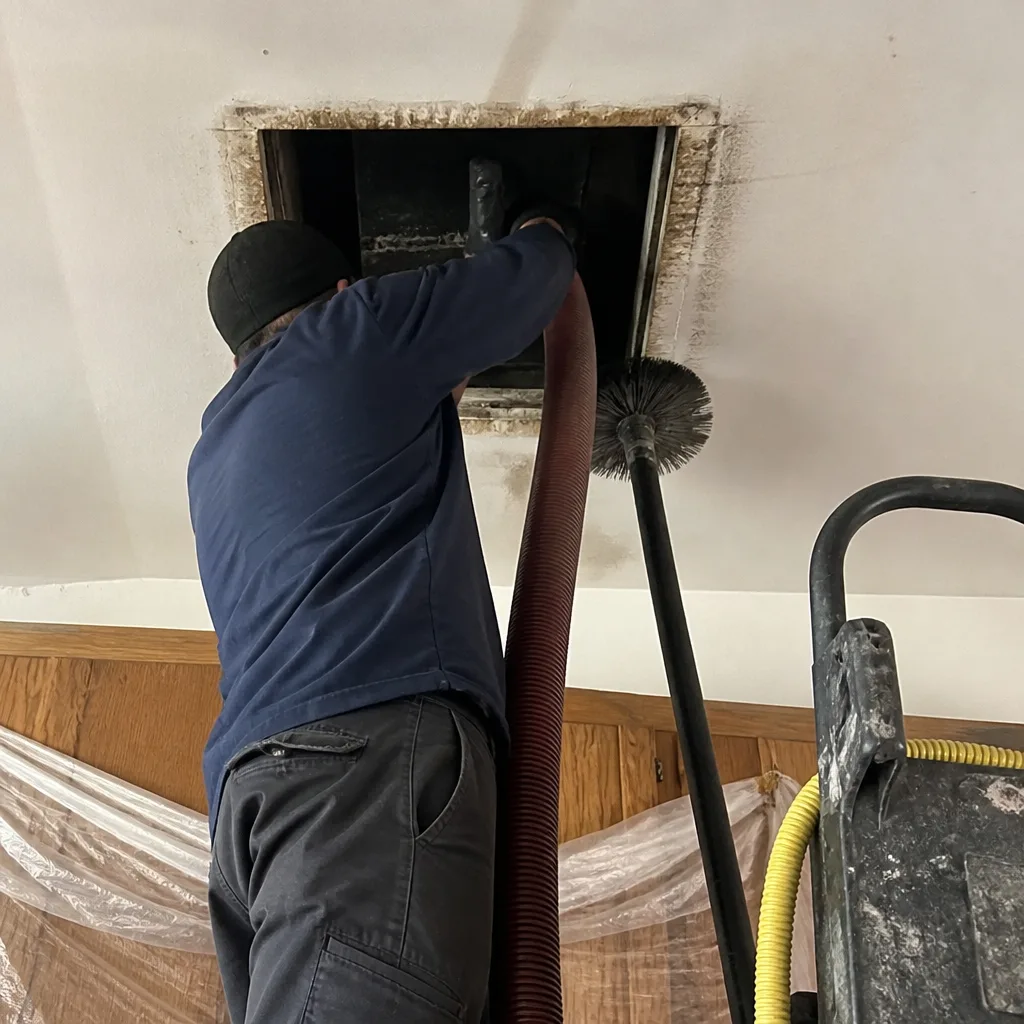 Before
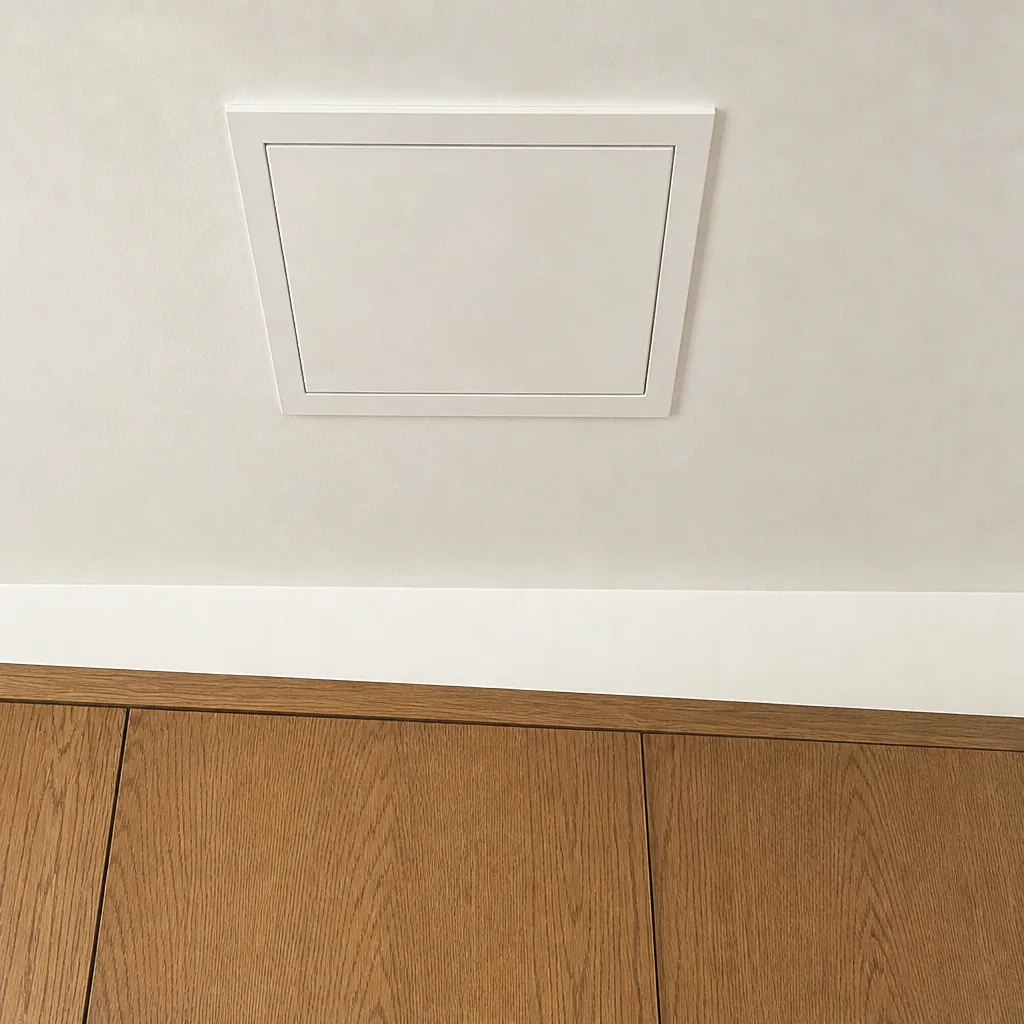 After
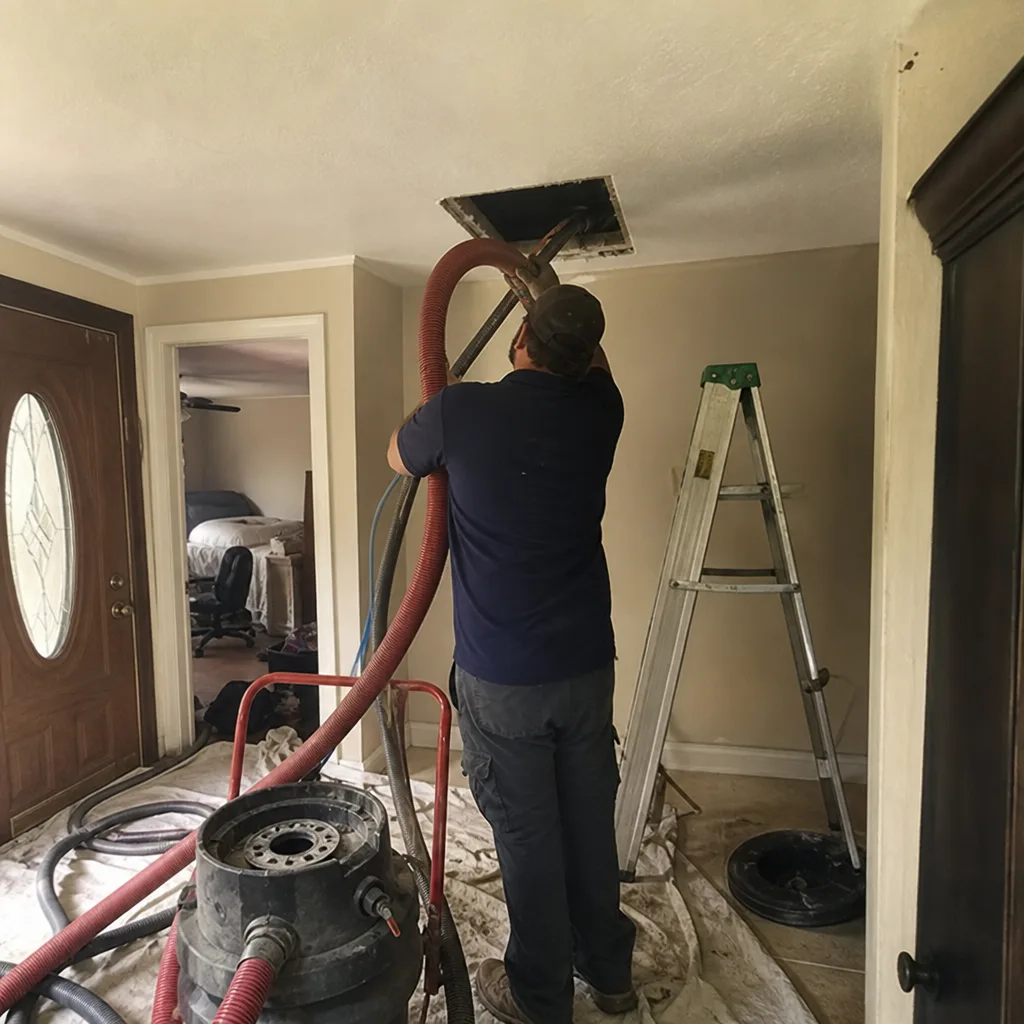 Before
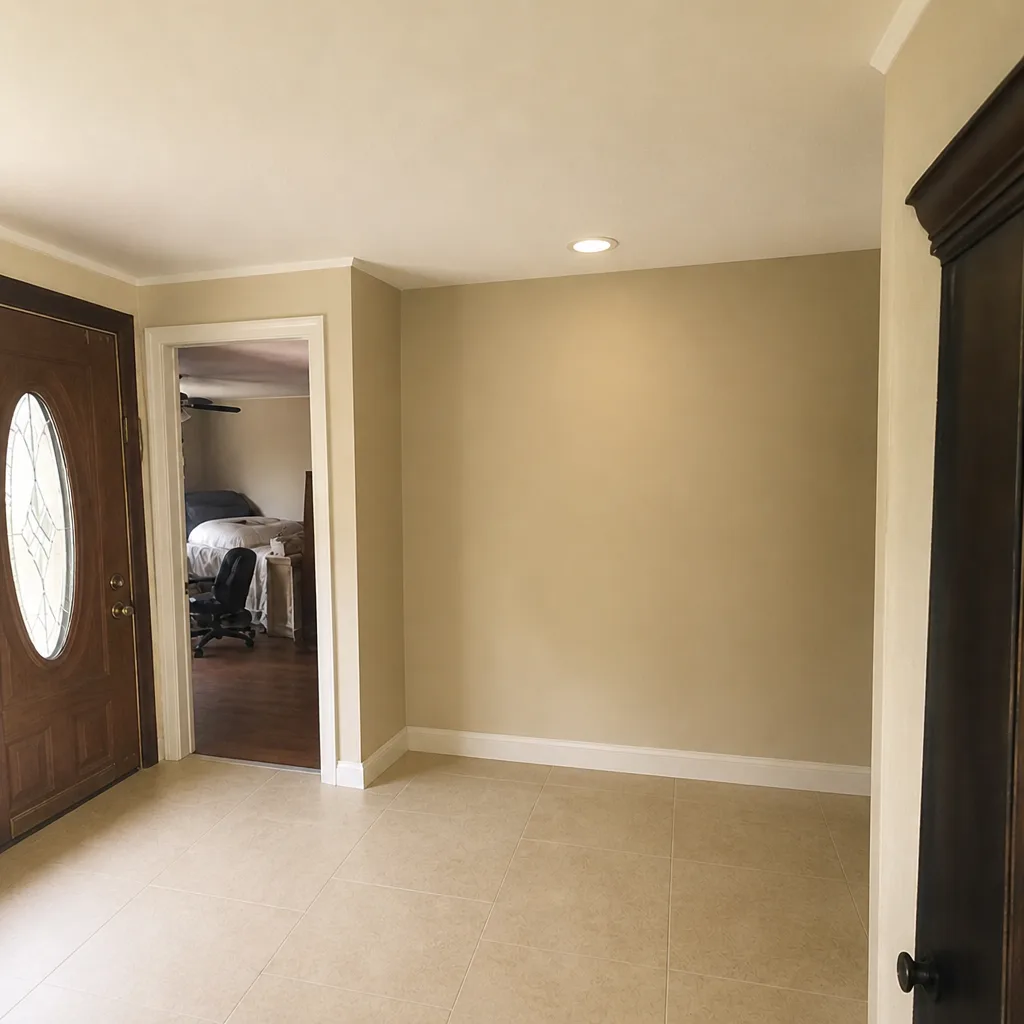 After
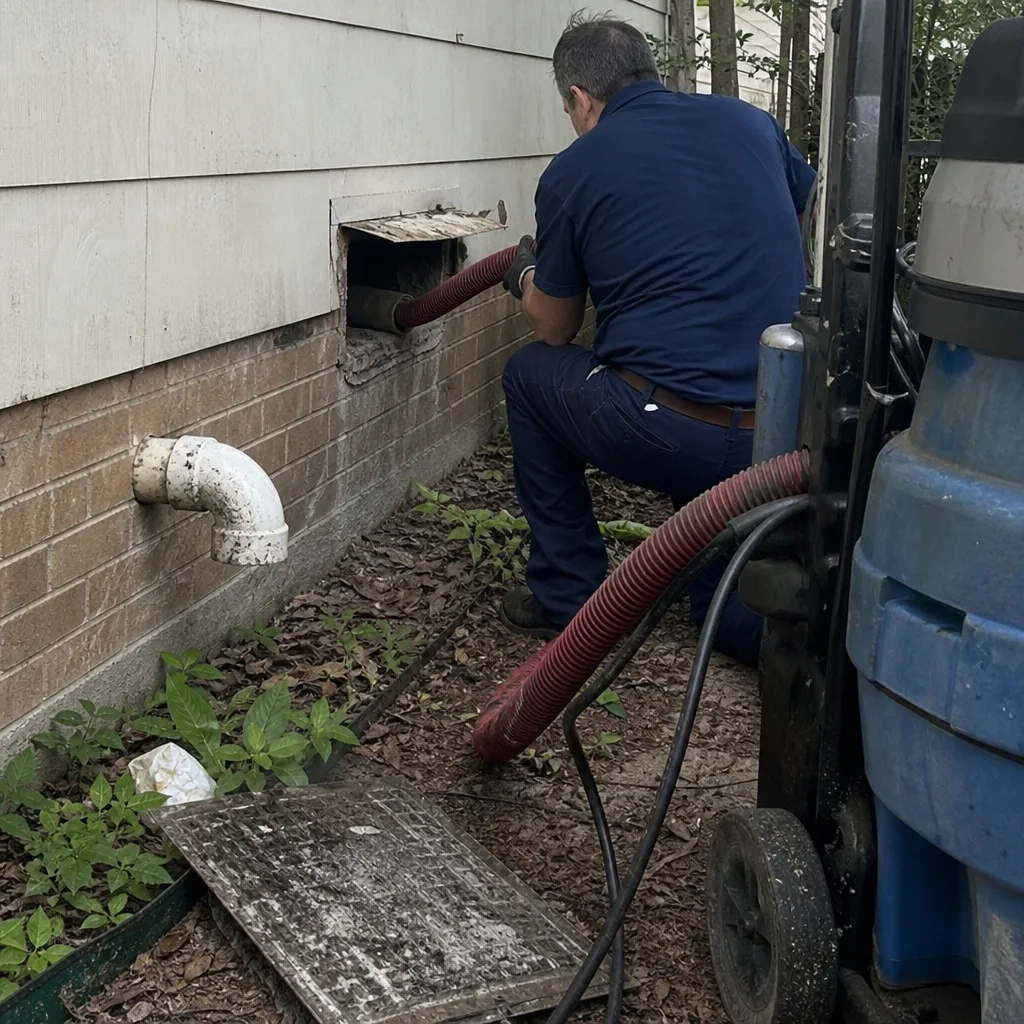 Before
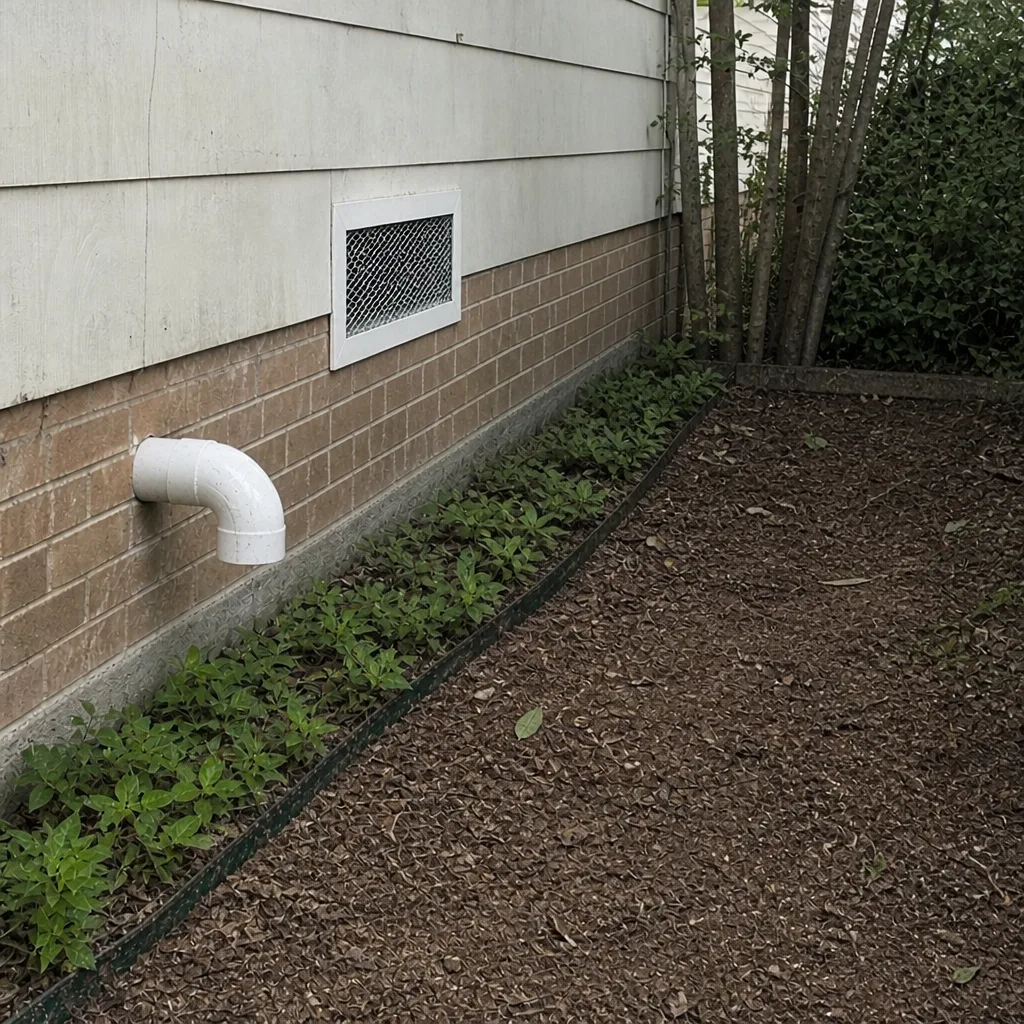 After
When to Call a Professional
Call for an inspection if any of the following apply after a storm in Kingwood: water reached your attic, the HVAC ran during the storm, you smell something musty when the system cycles on, you’re seeing visible mold at a supply grille, a duct has visibly disconnected, or you’re preparing an insurance claim and need a written inspection report before cleanup.
You should also call before installing an air quality upgrade – filtration, humidity control, or purification – if the system hasn’t been inspected post-storm. Upgrading a contaminated system just puts new equipment on top of a problem.
Kingwood Air Duct Cleaning Co offers free estimates in Kingwood. Call (833) 991-7731. We answer 24/7. Fast dispatch from 7am to 7pm, Sunday through Friday. Our technicians have up to 11 years of experience, and they work with Rotobrush and Abatement Technologies equipment for contamination-level situations like post-flood systems.
Frequently Asked Questions
About 48 hours is the practical window. Kingwood’s summer humidity speeds the timeline; flex duct liners absorb moisture and mold growth typically becomes visible within two to four days. If the ducts took on water during a storm, get them inspected inside that first 48-hour window. Call (833) 991-7731 for an inspection.
Not always. Ducts that stayed dry or got only damp can usually be cleaned, sanitized, and resealed. Flex duct that took on standing water, or that’s had visible mold growing in the liner for more than a few days, usually needs partial replacement. A written inspection tells you which sections are which. Call (833) 991-7731 for a free estimate.
Photograph the attic water lines, saturated insulation, the air handler cabinet, and the inside of each supply and return grille before any cleaning happens. Then get a written inspection report with a recommended scope of work itemized component by component. Most adjusters won’t process a duct claim without that report. Call (833) 991-7731 if you need one written.
Yes. A running blower pulls moisture and debris into the duct system and distributes it through every room. Shutting the system off at the breaker before the storm makes the difference between a cleaning and a full remediation. If your system ran during the storm, call (833) 991-7731 to have it inspected.
Yes, and the storm usually changes the scope. A system that needed routine cleaning before the storm now needs inspection first to determine whether moisture or debris went deeper than routine. Cleaning is worth doing, but the sequencing matters. Call (833) 991-7731 for a free estimate.
Look in the attic at the runs between the air handler and the ceiling boots. Flex duct is silver or foil-jacketed and usually sags between supports; rigid duct is sheet metal and runs straight. Flex duct is porous and needs more storm-related scrutiny. Call (833) 991-7731 if you’re not sure what you’re looking at.
The Bottom Line
Storms in Kingwood damage duct systems in ways homeowners can’t see from inside the house, and the clock starts as soon as water reaches the attic. The three things worth remembering: shut the HVAC off before the storm, photograph and get a written inspection within the first 48 hours after any water event, and don’t let a cosmetic cleanup stand in for real remediation. Duct cleaning after a flood is either enough or it isn’t, and a qualified inspection is what tells you which. Handle the air quality problem with the same seriousness as the drywall, and the house is genuinely back to normal. Skip it, and the system keeps reminding you long after the storm is forgotten.
If you’re sorting out post-storm ducts in Kingwood, or you’d rather have a system checked before the next event, we’re a phone call away. Call (833) 991-7731 for a free estimate. We answer 24/7. Fast dispatch from 7am to 7pm, Sunday through Friday.
Written by the team at Kingwood Air Duct Cleaning Co.