
Last updated November 25, 2026
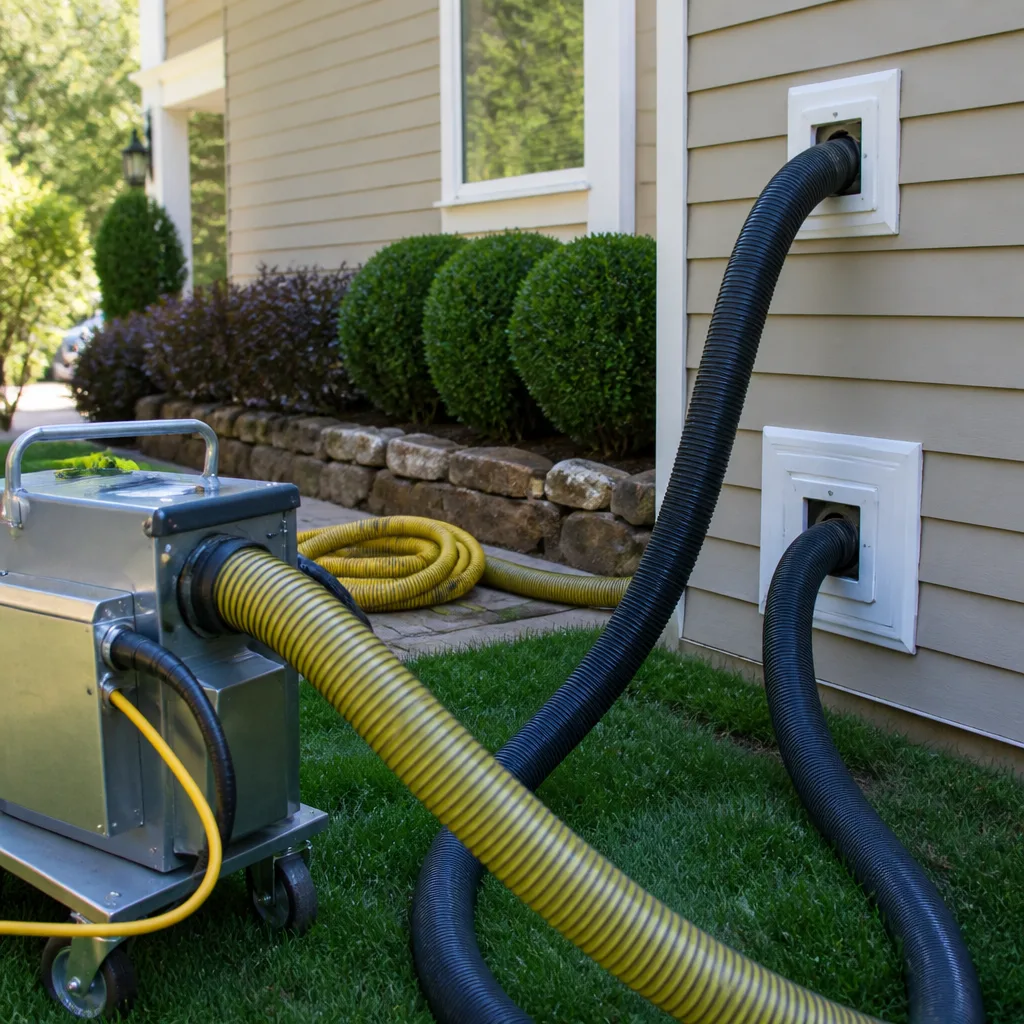 Whole-home duct cleaning
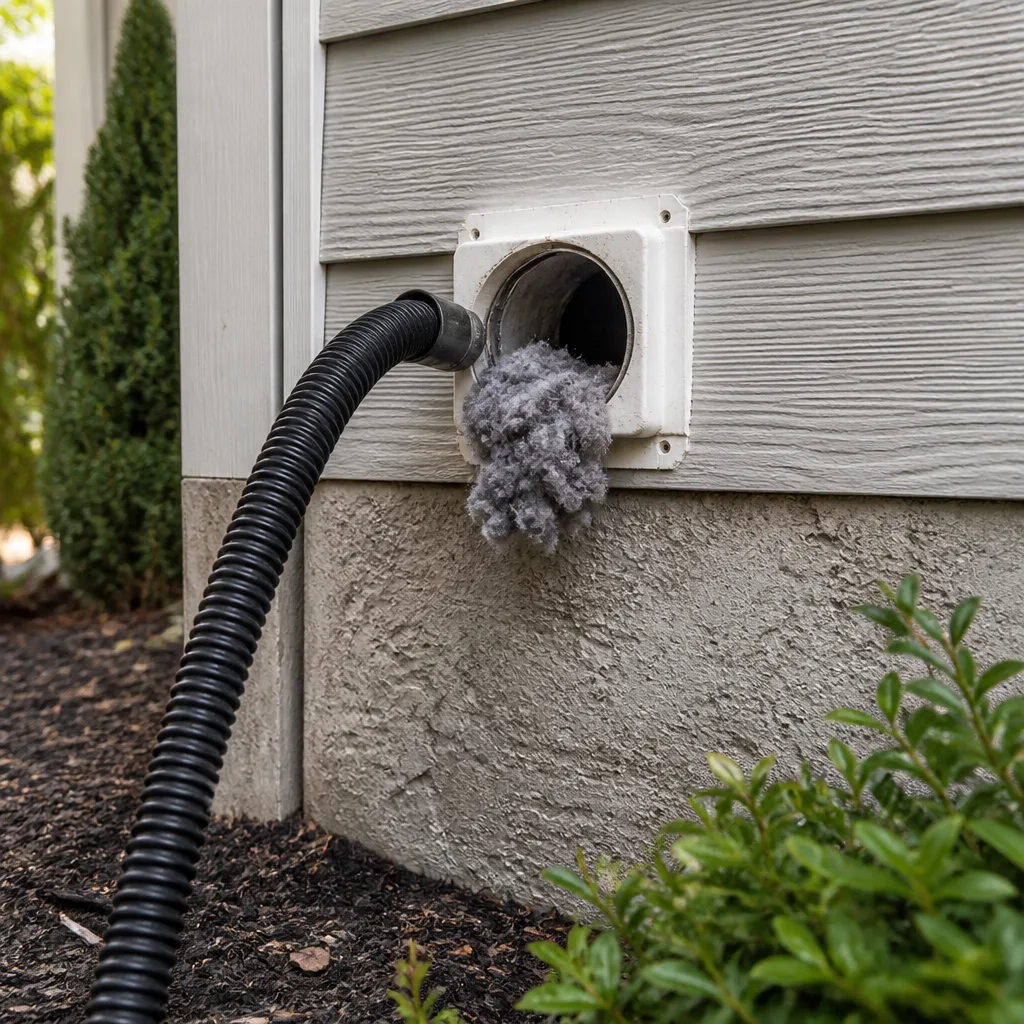 Dryer vent cleaning
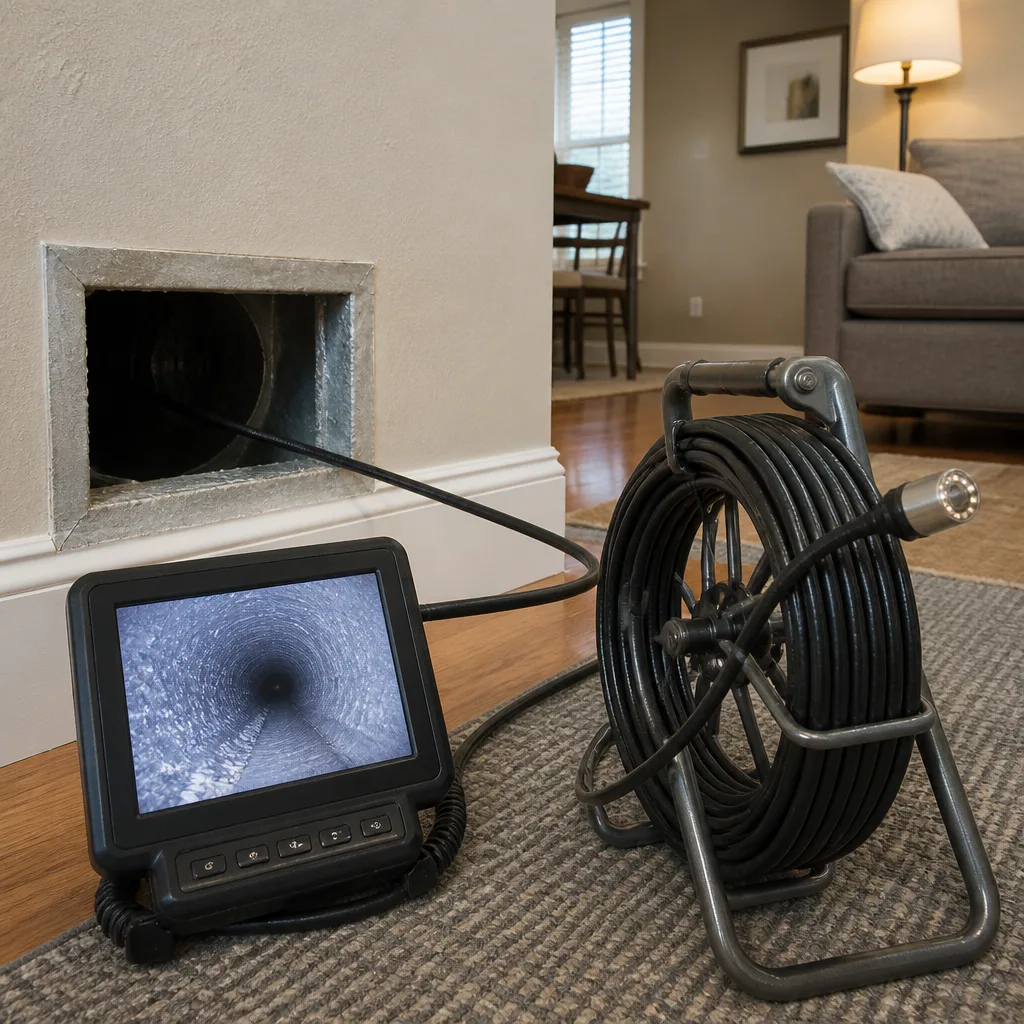 Camera inspection
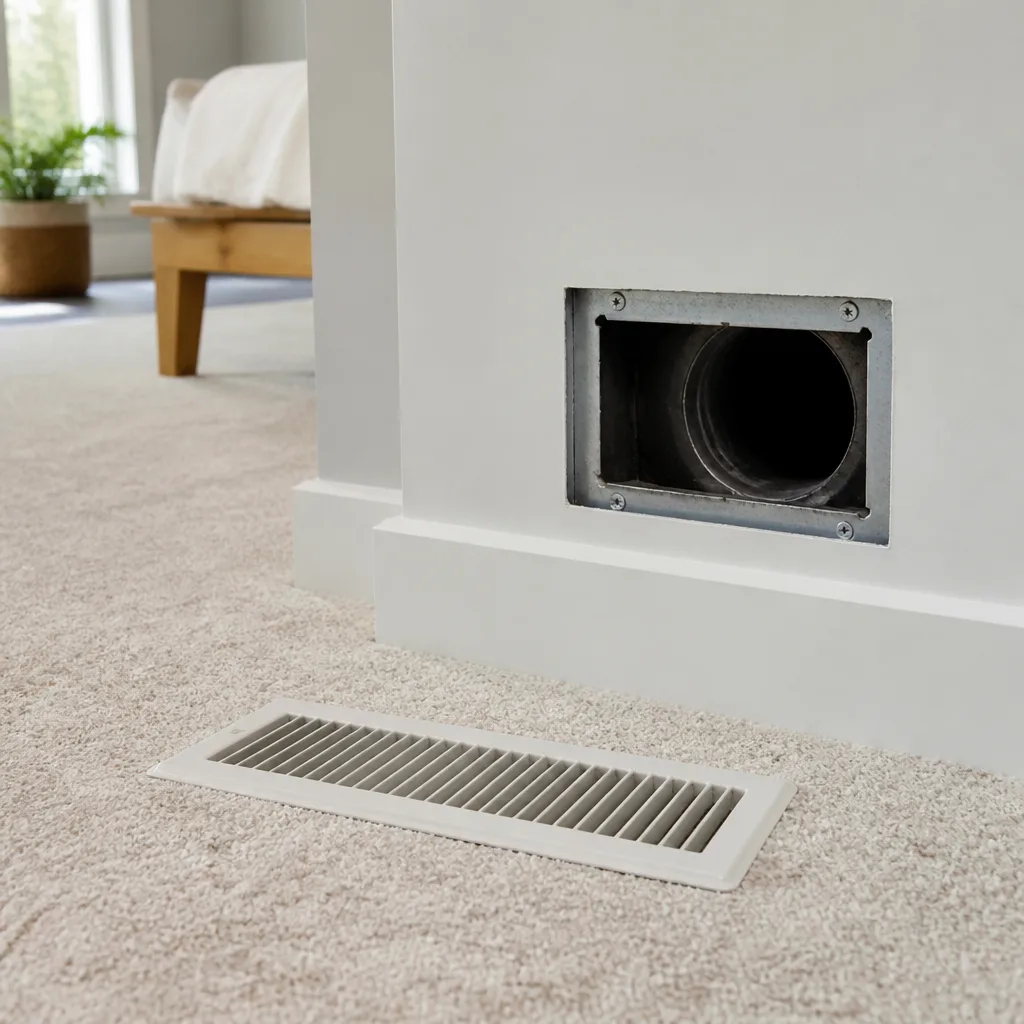 Sanitizing & deodorizing
Whole-system duct and dryer vent check with before-and-after photos - you see exactly what came out of your vents
That "$99 whole-house special" is a bait ad - the real number appears once they are in your hallway, or the "clean" is a shop-vac at the register. We photograph the inside of your ducts before and after instead.
Choosing the Right Air Duct Cleaning Brand: A Buyer’s Guide for Kingwood
Most homeowners ask a duct cleaning company one question before hiring: “How much?” That’s the wrong first question. The right one is “What equipment will you bring into my house?” The answer tells you more about the quality of the work than any price quote. A contractor running a converted shop vac with a length of flex hose is not set up to remove decades of buildup from main trunk lines, no matter what the estimate says. A contractor with professional-grade systems matched to your duct material and contamination profile is. This guide walks Kingwood homeowners through the equipment landscape – Rotobrush, Nikro, Abatement Technologies, Aeroseal, and UV-C purification brands – so you can tell the difference before the appointment is booked.
Quick Answer
The right air duct cleaning brand in Kingwood is one whose equipment matches your duct material and contamination level, not the one with the lowest advertised price. Ask what cleaning system they use, whether they carry negative air machines with true HEPA filtration, and whether they’re certified to apply any sealing technology they offer. A company that can answer those questions with specific brand names and equipment capabilities – Rotobrush for flex duct, contact vacuum systems for rigid sheet metal, Abatement Technologies for mold and post-construction debris – is a company that invested in the trade. One that can’t is a company running improvised rigs.
Styles & brands we work with
- Whole-home duct cleaning
- Dryer vent cleaning
- Camera inspection
- Sanitizing & deodorizing
Table of Contents
- Why the equipment question matters more than the price
- Negative air machines: CFM ratings and HEPA stages explained
- Rotobrush versus contact vacuum systems: matching method to duct material
- Aeroseal duct sealing: what it fixes, what it costs, who’s certified
- UV-C air purification: RGF, Fresh-Aire UV, and APCO compared
- How to ask a contractor to demonstrate equipment before the job
- What Kingwood homes demand from a duct cleaning brand
- How to verify the work was actually done
Why the equipment question matters more than the price
Asking a duct cleaning contractor what brand of equipment they use is not an overly technical question. It’s the fastest way to separate operators who made a real capital investment in the trade from those running converted shop-vac rigs. The question costs you nothing and it filters the field in about thirty seconds.
Here’s what the answers actually tell you. A professional who invested in a Rotobrush system, a Nikro vacuum, or Abatement Technologies negative air equipment has skin in the game. Those systems run in the tens of thousands of dollars and require training to operate correctly. A contractor who has committed that kind of money to the trade is unlikely to cut corners on a job because the equipment itself forces a certain standard of work.
Compare that to a contractor who pulls up with a residential wet/dry vac and a brush head attached to a drill. That rig can scrape loose dust off the inside of a duct, but it can’t generate the airflow to pull contaminants out of a main trunk line, and it certainly can’t protect your home’s air quality while the work is happening. The dust it dislodges has to go somewhere, and without a negative air machine, that somewhere is your living room.
The equipment question also reveals whether the contractor understands different duct materials. Professional duct cleaning isn’t a single tool applied to every house. Flex duct, rigid sheet metal, fiberglass duct board, and metal-lined flex each respond to different methods. A contractor with only one system has only one answer, and that answer may be wrong for your ductwork. In Kingwood, where the housing stock spans several decades of construction styles, that distinction matters more than it might in a newer subdivision where every house was built the same way.
If you want to go further on the basics of what to expect from a professional visit, our guide to air duct cleaning covers the full-service process from intake to final inspection. But before you get there, settle the equipment question first.
Negative air machines: CFM ratings and HEPA stages explained
A negative air machine is the workhorse of any legitimate duct cleaning job. It creates a pressure differential that pulls contaminated air out of the duct system and captures it in a filtration chamber, preventing that material from escaping into your home. The two specs that matter are airflow capacity and filtration stages.
Airflow is measured in CFM, or cubic feet per minute. A machine rated for 1,500 to 2,500 CFM is typical for residential work; larger systems can handle light commercial applications. What matters is that the machine’s CFM rating exceeds the resistance of your duct system so it can maintain negative pressure while the work is happening. A weak machine has to fight the duct resistance and may not hold negative pressure at all, which is when dust escapes into the room. The higher the CFM rating, the more capacity the machine has to pull debris out of long trunk lines and multiple branch runs at the same time.
Filtration stages determine how clean the exhaust air is. A three-stage system (pre-filter, secondary filter, HEPA) captures progressively smaller particles:
- Pre-filter: catches large debris, hair, and dust bunnies pulled from the ducts.
- Secondary filter: captures mid-size particles and protects the HEPA stage from clogging too fast.
- True HEPA filter: traps 99.97 percent of particles down to 0.3 microns, which includes mold spores, pet dander, and fine dust.
A machine advertised as “HEPA” needs to be verified as a true HEPA filter, not a HEPA-style or HEPA-like filter. Ask the contractor directly. If they can’t tell you the CFM rating or the number of filtration stages, you’ve learned something useful.
Abatement Technologies equipment shows up on serious contamination jobs specifically because it’s built for mold remediation, post-construction cleanup, and allergen-heavy environments. That’s a different tier of capability from routine dust removal, and a contractor who carries it is signaling they can handle the harder cases, not just the easy ones. In Kingwood, where humidity runs high for much of the year and post-renovation debris is a common complaint, that capability matters.
Rotobrush versus contact vacuum systems: matching method to duct material
Two broad families of equipment do most of the cleaning: rotary brush systems and contact vacuum systems. They are not interchangeable, and a contractor who uses only one of them will produce poorer results on the duct types it wasn’t designed for.
Rotobrush systems use a rotating brush head that travels through the duct while a high-efficiency vacuum pulls loosened debris into a collection chamber. The brush action is gentle enough for flex duct, which is the flexible, corrugated material common in newer construction and in retrofits where running rigid duct would be impractical. The brush conforms to the corrugations of the flex liner and scrubs them without tearing the material. Using a contact vacuum on flex duct without the correct brush head can abrade the liner and eventually tear it, which creates a leak point and re-contamination problem.
Contact vacuum systems rely on aggressive vacuum suction at the duct opening, often combined with a mechanical agitator. They’re typically used on rigid sheet metal ductwork, where the hard surface tolerates a firmer tool and the vacuum can pull heavy debris from long runs. Rigid metal duct responds well to a stronger vacuum because the material doesn’t flex or tear under the load.
Here’s the practical takeaway for Kingwood homeowners:
- Ask whether your ducts are flex, rigid metal, or a combination of both. Many homes have rigid trunk lines with flex branch runs.
- Ask the contractor which method they’ll use on which section, and why. A good answer is specific.
- If the answer is “we use the same system for everything,” ask whether that system is safe for flex duct. If they can’t answer clearly, move on.
- Confirm that the contractor has a HEPA-filtered negative air machine running during the work, regardless of which cleaning method they use.
We keep both Rotobrush and Nikro systems on hand precisely because Kingwood homes don’t fit a single template. Some houses are predominantly flex branch runs; others are largely rigid throughout. Using the wrong method on either damages the ductwork or fails to clean it.
Aeroseal duct sealing: what it fixes, what it costs, who’s certified
Aeroseal is a duct sealing technology that injects a fine aerosolized sealant into the duct system. The sealant particles travel with the airflow and accumulate at the leak points, where they build up and seal the gaps. It’s applied from the inside, meaning it seals joints and penetrations that are otherwise inaccessible inside walls, ceilings, and floors. It’s a reference tool to look for, not a magic fix.
What Aeroseal verifiably fixes is measurable duct leakage. If a contractor can demonstrate before-and-after leakage measurements, you have a way to confirm the job actually worked. That’s the key point – the technology is only useful if the contractor is certified to apply it correctly and can show you the leakage reduction numbers. Aeroseal requires specific application training and equipment, and an uncertified contractor applying it can waste the treatment material or leave the system improperly sealed.
What it does not fix: dirty ducts, damaged ductwork (holes, disconnected joints, crushed sections), or contamination. Sealing comes after cleaning and repair, not instead of them. In Kingwood, where duct leakage is a common driver of energy loss and uneven cooling during the hot months, sealing can meaningfully improve performance – but only when it’s part of a sequence that starts with cleaning and repair.
Cost of Aeroseal varies widely with system size and the number of leak points, which is why we don’t quote a fixed number here. Ask for a written estimate that includes the before-and-after leakage measurement. A contractor who won’t measure leakage before and after isn’t really applying the technology; they’re just spraying.
Our own approach is to repair and seal ductwork as a service in its own right, whether or not Aeroseal is part of the plan. Fixing the system is the goal; the specific product is the tool. For an overview of all five service categories, see the main Kingwood Air Duct Cleaning Co page.
UV-C air purification: RGF, Fresh-Aire UV, and APCO compared
UV-C air purification systems use ultraviolet light to deactivate microorganisms – bacteria, mold spores, and viruses – as air passes through the air handler. They’re not air cleaners in the sense of trapping particles; they’re disinfectants. The efficacy depends on the dose (UV intensity multiplied by exposure time) delivered to the contaminants, which is why lamp placement inside the air handler matters as much as the brand on the label.
The brands you’ll see most often in residential work are RGF, Fresh-Aire UV, and APCO. The differences are meaningful:
- RGF: offers both UV-only and advanced oxidation products. The advanced oxidation models combine UV with a catalyst to generate airborne oxidizers that travel through the duct system. Efficacy depends on installation and airflow.
- Fresh-Aire UV: specializes in in-duct UV lamp systems with a focus on direct irradiation of the coil and the airstream. Lamp replacement schedules are typically annual, and the company is known for its coil-cleaning and disinfection products.
- APCO: combines UV-C light with activated carbon to neutralize odors and some volatile organic compounds in addition to biological contaminants. Placement within the air handler determines exposure time.
Placement is where installations go wrong. A UV lamp mounted too far from the coil or AC unit won’t get sufficient exposure time to deactivate mold on the coil surface, which is the primary target for most residential installs. A lamp mounted downstream of the air handler won’t treat the coil at all. A competent installation puts the lamp where the contaminants actually are, typically targeting the evaporator coil and the airstream leaving it.
Lamp replacement schedules matter because UV lamps lose intensity long before they burn out. A lamp that’s still glowing after two years may be delivering a fraction of its original dose. Most residential lamps need replacement every 12 to 24 months depending on the model; ask the manufacturer’s spec before installation so you know what you’re signing up for.
We install Honeywell and Aprilaire whole-home air quality solutions alongside UV-C purification, so a single service visit can cover filtration, humidity control, and purification without needing to coordinate multiple contractors. For the broader context on HVAC-side cleaning, see our HVAC cleaning guide.
How to ask a contractor to demonstrate equipment before the job
You don’t need to become an HVAC technician to vet a duct cleaning contractor. You need a short script of specific questions and a clear sense of what good answers sound like. Here it is.
- “What brand and model of cleaning equipment will you bring?” A good answer names Rotobrush, Nikro, Abatement Technologies, or a comparable professional brand. A vague answer – “we use industry-standard equipment” – is a red flag.
- “What’s the CFM rating on your negative air machine, and how many filtration stages does it have?” You’re listening for a number (typically 1,500 CFM or higher for residential work) and a mention of true HEPA filtration. If they can’t answer, the machine probably isn’t a professional unit.
- “Will you use a rotary brush or a contact vacuum on my ductwork, and does that match my duct material?” A good contractor asks you what kind of ducts you have before answering. If they assume one method is right for every home, that’s a problem.
- “Can you show me the equipment when you arrive, before you start?” A professional has no reason to refuse. Ask to see the vacuum intake and the filter chamber so you can confirm the HEPA filter is real and clean.
- “What does the process look like from the duct opening to the air handler?” Listen for a description that covers intake registers, main trunk, branch runs, and the air handler itself. A short “we vacuum the vents” is a totally different service.
- “Will I see before-and-after photos of my own ducts?” Any contractor confident in the work will say yes. This is the easiest way to confirm what was actually cleaned.
The demonstration step matters most. Anyone can talk about equipment; the test is whether they’ll show it. A contractor with professional gear will typically be proud to point out the system, the filters, and the collection chamber. If the answer is “we don’t really need to show you,” you have your answer.
What Kingwood homes demand from a duct cleaning brand
Kingwood is a master-planned community north of Houston, and its housing stock runs the gamut from established neighborhoods to newer construction. Many homes are surrounded by mature pine and hardwood trees, which means pollen loads in spring and a steady supply of fine debris blowing into return registers. Humidity stays high through much of the year, which makes mold and mildew growth in ductwork a real concern rather than a theoretical one. During the hot months, the AC system runs nearly continuously, so whatever is in the ductwork cycles through the house repeatedly.
That combination – heavy pollen seasons, high humidity, and a cooling season that stretches for months – is why we carry Abatement Technologies equipment. It’s the tier of equipment built for situations where routine dust removal isn’t enough. If a Kingwood home has visible mold in the ductwork, or has recently finished a major renovation, or has occupants with significant allergy or asthma symptoms, that’s the class of job that calls for contamination-level capability. Hoods like Kings Point, Elm Grove, and Forest Cove all see a mix of these calls.
What a Kingwood homeowner should look for in a duct cleaning brand, in priority order:
- Full-system capability, not just cleaning: the ability to clean, sanitize, repair, and seal ductwork in one visit rather than handing you off to three different companies.
- Professional-grade equipment matched to duct material: Rotobrush and Nikro for cleaning, contact vacuum systems where rigid metal requires them.
- Contamination-level equipment availability: Abatement Technologies or equivalent for mold, allergens, and post-construction scenarios.
- Whole-home air quality upgrade capability: Honeywell and Aprilaire filtration, humidity control, and purification installable alongside the cleaning.
- Dryer vent cleaning as a fire-safety service: not just routine maintenance, but a system that reaches the full dryer vent run from the appliance to the exterior termination.
We’ve seen too many Kingwood homes where the previous “duct cleaning” left the trunk lines untouched and pushed debris into the branch runs, making the problem worse. The equipment question is the single best defense against that outcome.
How to verify the work was actually done
Duct cleaning is difficult to verify after the fact because you can’t easily see inside the ducts yourself. That’s why the industry has a reputation problem – some operators charge for work they didn’t do. Here are the concrete verification steps.
- Ask for before-and-after photos. Any professional-grade contractor takes them as part of the job. These should show the interior of your own ducts, not stock images.
- Watch the vacuum intake if you want. A working negative air machine pulls visible debris out of the system during the cleaning. You don’t need to watch the whole job, but you can look inside the collection chamber before it’s emptied.
- Confirm HEPA filtration was running. If you have allergy concerns, ask whether the negative air machine was HEPA-filtered throughout the job. It should have been.
- Check for a written scope of work. A professional job is described in writing before it starts: what’s being cleaned, what’s being inspected, what’s being treated or sealed. If your contractor can’t produce one, that’s a sign.
- Ask for the leakage or airflow measurement if sealing was done. For duct repair and sealing work, before-and-after measurements are the proof.
If you get a written scope, before-and-after photos, and a clear description of the equipment used, you’ve got what you need to know the work was real. Our dryer vent cleaning service works the same way – photos of the vent run before and after, plus confirmation of proper airflow at the exterior termination.
Common Mistakes to Avoid
- Picking the lowest quoted price without asking about equipment. A bargain quote often means a converted shop vac and a helper, not a professional system. The lower price reflects the equipment, not efficiency.
- Assuming “duct cleaning” means the same thing at every company. Some operators clean the registers and stop. Real service runs from the duct opening to the air handler and covers the main trunk lines.
- Hiring a company that only offers cleaning. Cleaning without repair and sealing re-contaminates quickly, because leaks allow debris back into the system. A brand that can also seal and repair is the one that solves the root cause.
- Skipping the dryer vent. Dryer vent cleaning directly addresses a leading cause of residential house fires. In Kingwood’s climate, lint builds up quickly in interior vent runs, and a blocked vent can create a serious fire risk regardless of how careful the household is with laundry.
- Adding UV-C or air purification without addressing the ducts first. A UV lamp installed downstream of a contaminated duct system is doing less than it should. Clean and seal before purifying.
- Not asking about certification for sealing technology. Aeroseal and similar systems require specific training. An uncertified application can miss leak points or leave material where it doesn’t belong.
- Ignoring the air handler. A thorough job covers the air handler, the evaporator coil, and the return plenum, not just the ducts. Cleaning the ducts while leaving the coil dirty is a half-finished job.
See the difference
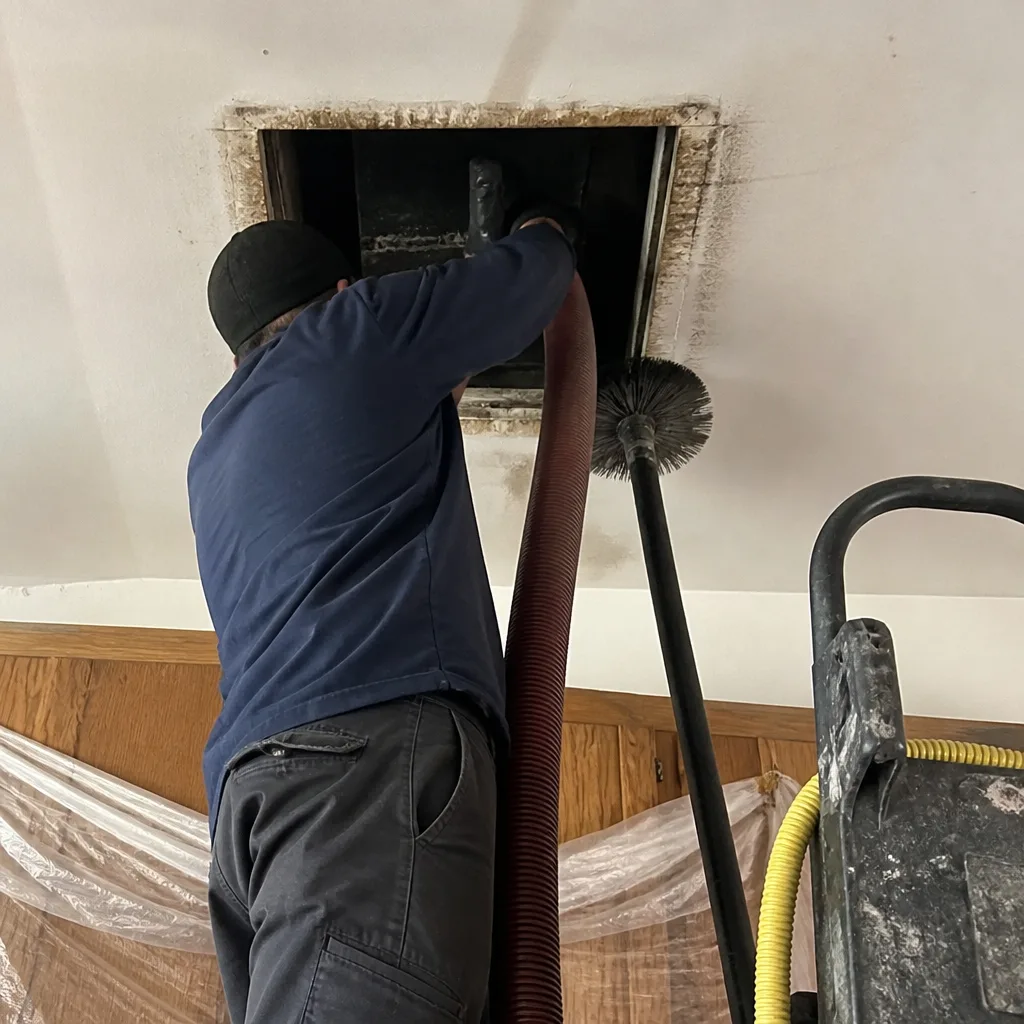 Before
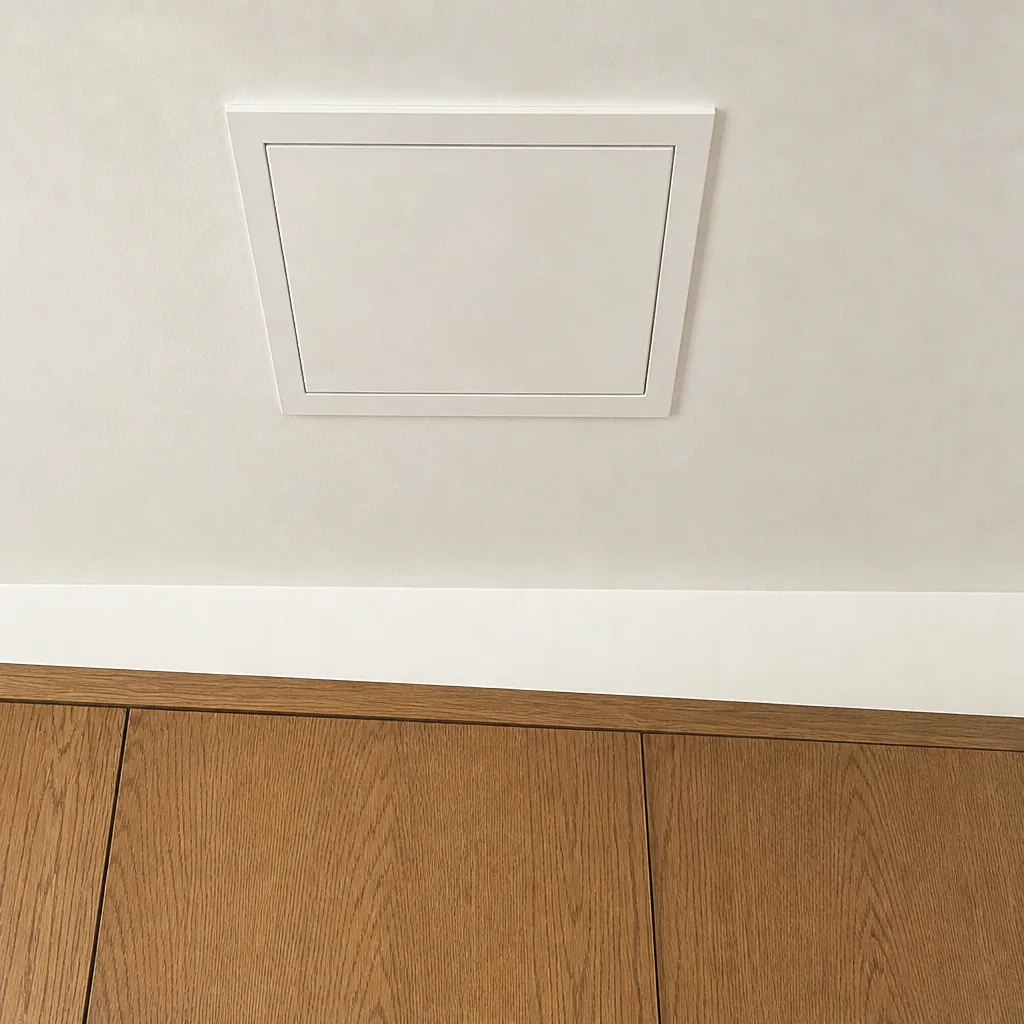 After
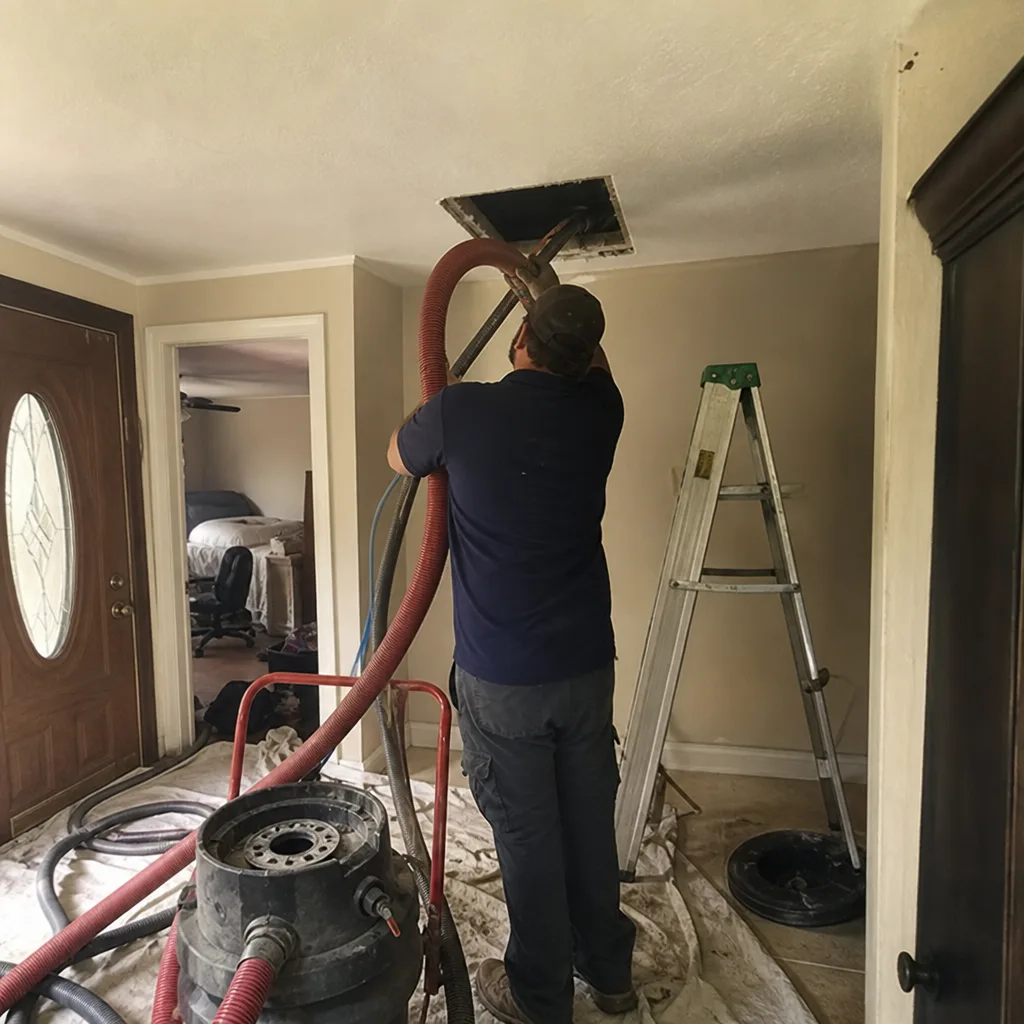 Before
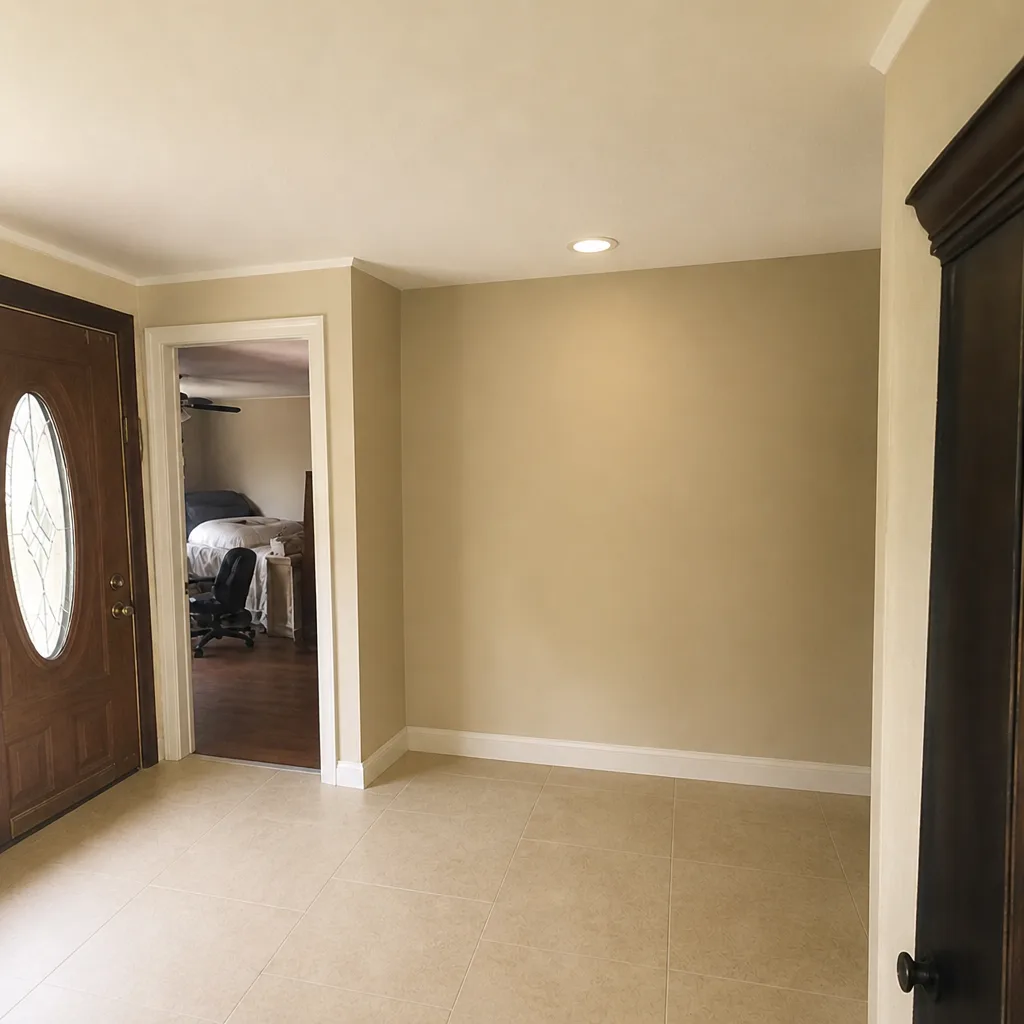 After
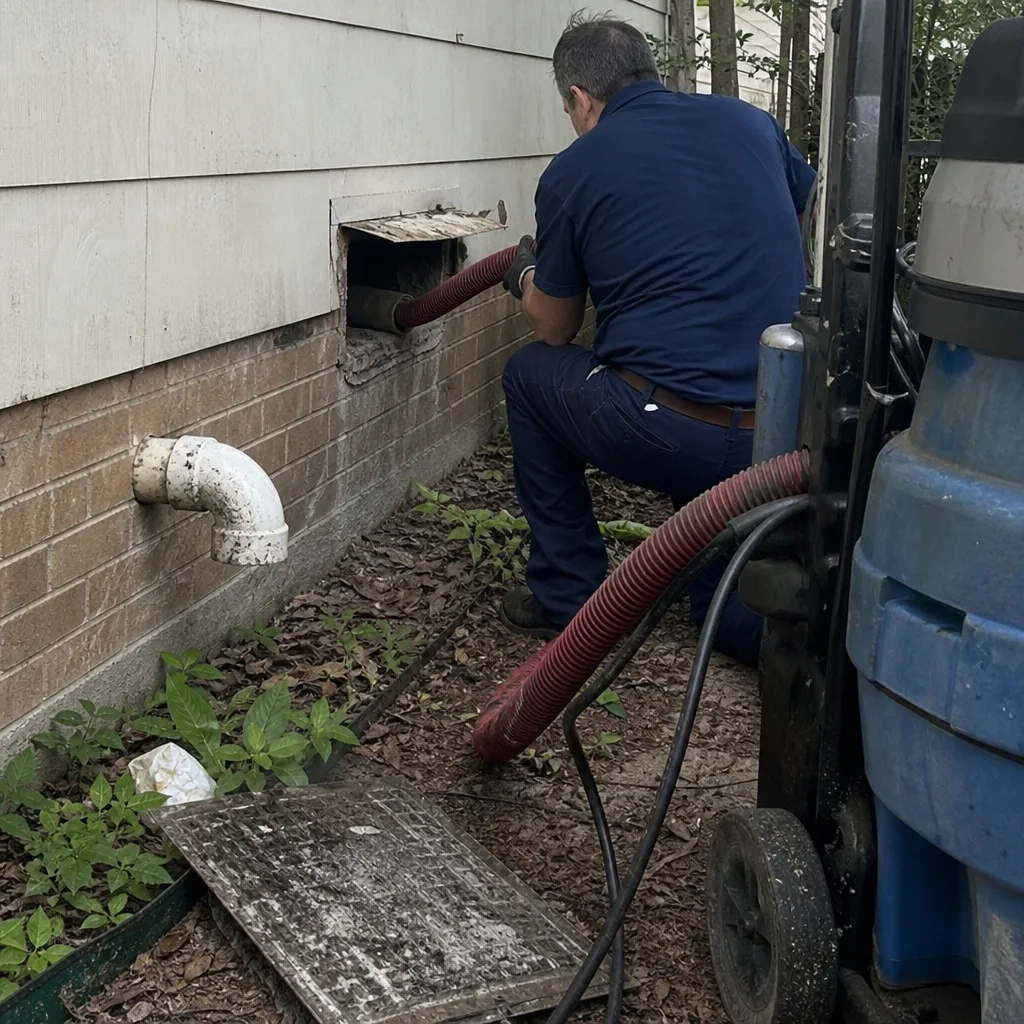 Before
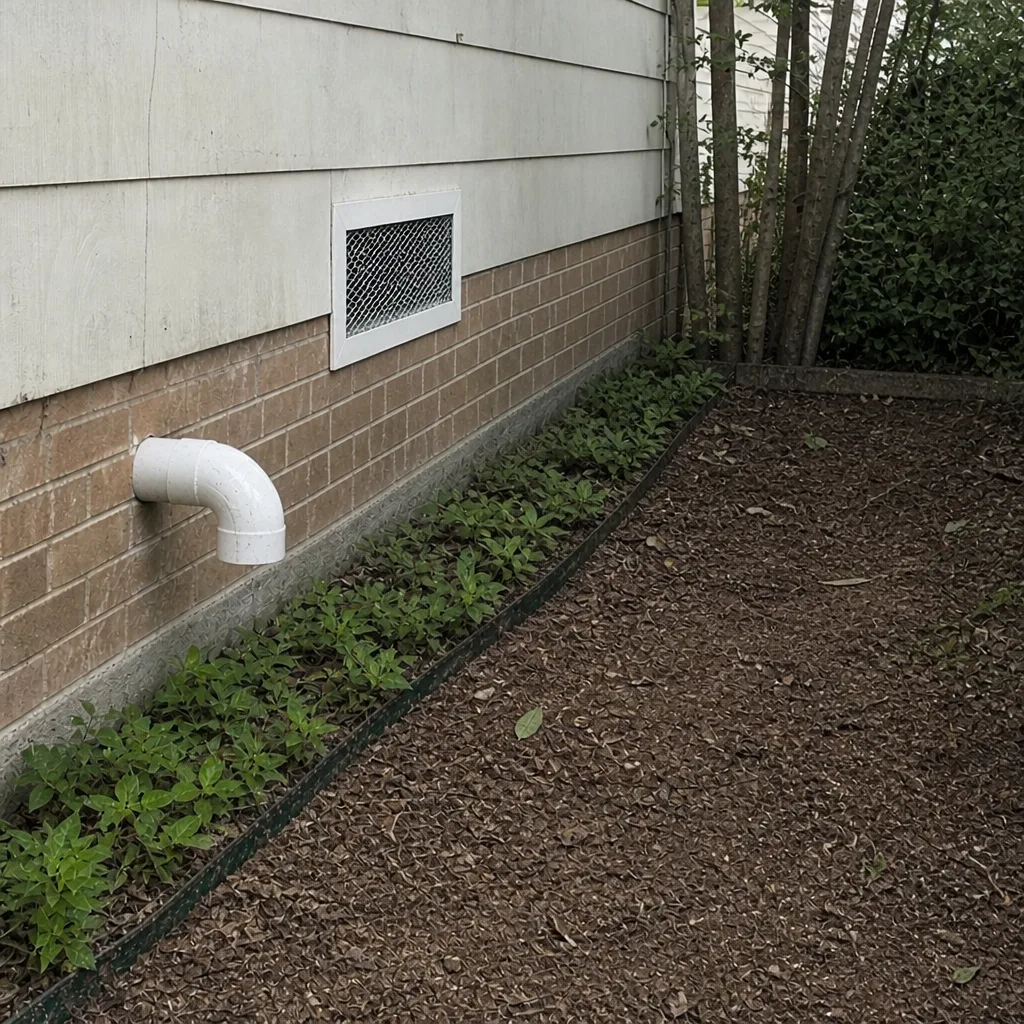 After
When to Call a Professional
Some air quality problems are obvious enough that you don’t need to wait for a scheduled maintenance visit. Call a professional if you notice visible dust streaks around the registers, musty odors when the AC kicks on, or a noticeable increase in allergy symptoms since moving into or renovating a home. If you’ve recently finished a major renovation, construction debris frequently ends up in the duct system even with careful containment, and that requires a level of cleaning that typical equipment can’t handle. Visible mold around the vents or inside the return duct is another direct signal to call.
Dryer vent cleaning is worth calling about on its own schedule: if you notice clothes taking longer to dry, the exterior vent flap not opening fully, or the dryer feeling unusually hot at the end of a cycle, those are signs of buildup in the vent run. This is a fire-safety service and not a comfort one.
Kingwood Air Duct Cleaning Co offers free estimates in Kingwood – call (833) 991-7731. We answer 24/7. Fast dispatch from 7am to 7pm, Sunday through Friday. The written estimate sets the final price, so you know the number before the work starts.
Frequently Asked Questions
The best company in Kingwood is the one whose equipment matches your duct material and contamination level, and that can demonstrate that equipment on request. Look for professional-grade systems (Rotobrush, Nikro, Abatement Technologies or comparable brands), true HEPA negative air machines, and whole-system capability that includes repair and sealing, not just cleaning. Our technicians have up to 11 years of experience, and we’ll show you the equipment before any work starts. Call (833) 991-7731 for a free estimate.
Air duct cleaning in Kingwood typically runs in the range of a few hundred dollars for a straightforward single-system home and more for houses with multiple HVAC systems, heavy contamination, or sealing work included. We don’t quote per-vent prices because those teaser numbers rarely match the final invoice. We quote one flat price per system after inspecting the home, and that written estimate sets the final cost. Call (833) 991-7731 for an exact quote – estimates are free.
Some quotes are cheaper because the contractor isn’t bringing professional equipment. A converted shop vac can’t generate the airflow to clean a main trunk line, and without a HEPA-filtered negative air machine, the dust being loosened ends up in your living space. The lower quote reflects what the work actually involves, not efficiency or a better value. The written estimate from a professional-grade contractor tells you what’s really included. Call (833) 991-7731 to compare on what’s actually being done.
Before-and-after photos of your own ducts are the most direct evidence. Ask for them in advance, and ask to see the collection chamber on the negative air machine before it’s emptied. For sealing work, ask for before-and-after leakage or airflow measurements. A contractor confident in the work will show you all three. Call (833) 991-7731 for a free estimate and a clear written scope of work.
Most Kingwood homes benefit from duct cleaning every three to five years, but the honest answer depends on the household. Homes with pets, allergy or asthma sufferers, recent renovations, or heavy pollen seasons may need it more often. Homes with well-sealed ducts and no pets may need it less. An inspection visit is the way to get a specific recommendation for your house. Call (833) 991-7731 to book one.
Yes – dryer vent cleaning is a fire-safety service, not a comfort one. Lint buildup in the interior vent run is a leading cause of residential house fires, and it accumulates faster than many homeowners realize. If your laundry is taking longer to dry or the exterior vent flap isn’t opening fully, that’s a sign of buildup. Call (833) 991-7731 to book a dryer vent inspection – estimates are free.
The Bottom Line
The right air duct cleaning brand in Kingwood is the one that will show you its equipment, name the systems it uses, and explain why those systems match your duct material. Rotobrush and Nikro are professional systems for a reason; Abatement Technologies tells you the contractor is set up for mold, allergens, and post-construction debris. Aeroseal is a real technology, but only the certified application is meaningful, and only when measured before and after. UV-C purification from RGF, Fresh-Aire UV, or APCO works when the lamp is placed correctly and replaced on schedule. Ask the equipment question first, then the price question. A written estimate from a specialist sets the final number, and before-and-after photos of your own ducts confirm the work was done.
Thinking about booking a visit? Call (833) 991-7731 for a free estimate. We answer 24/7. Fast dispatch from 7am to 7pm, Sunday through Friday. We’ll show you the equipment before we start and put the price per system in writing.
Written by the team at Kingwood Air Duct Cleaning Co.