
Last updated November 25, 2026
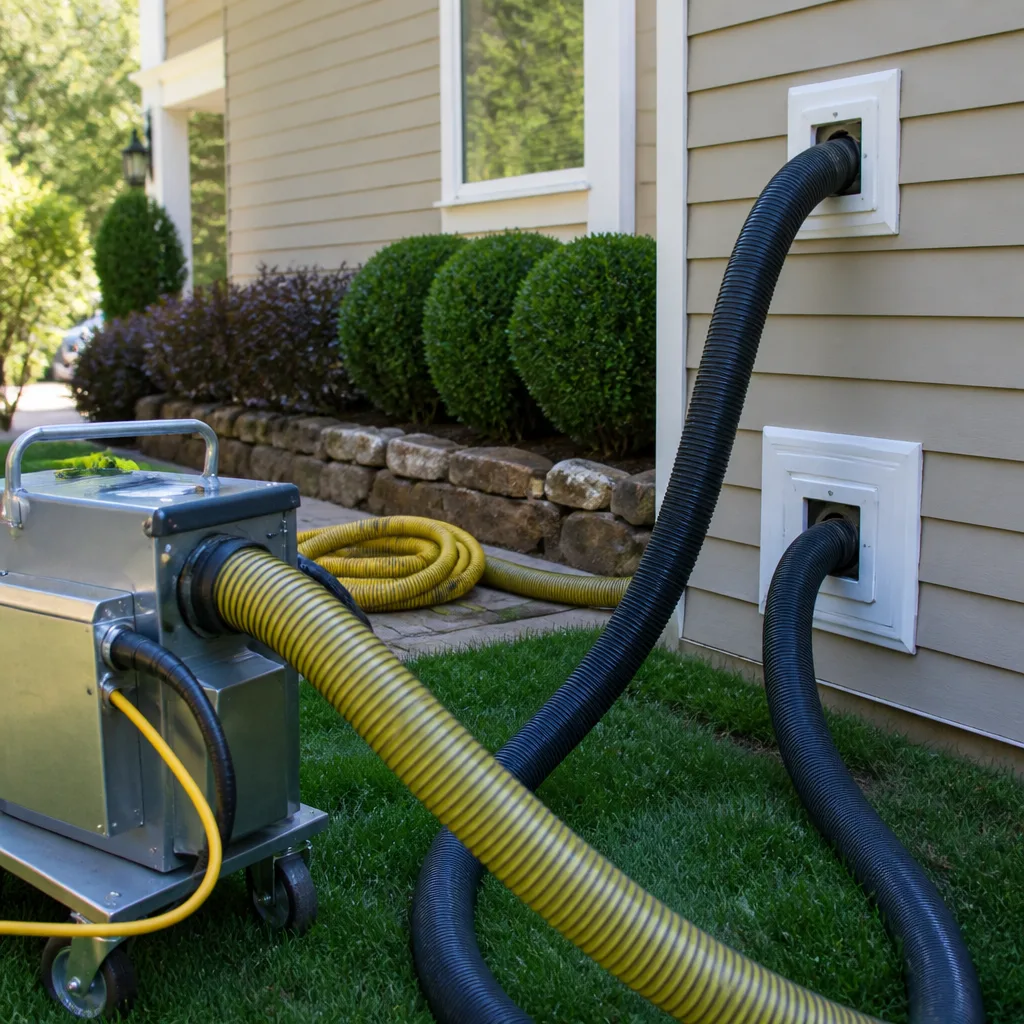 Whole-home duct cleaning
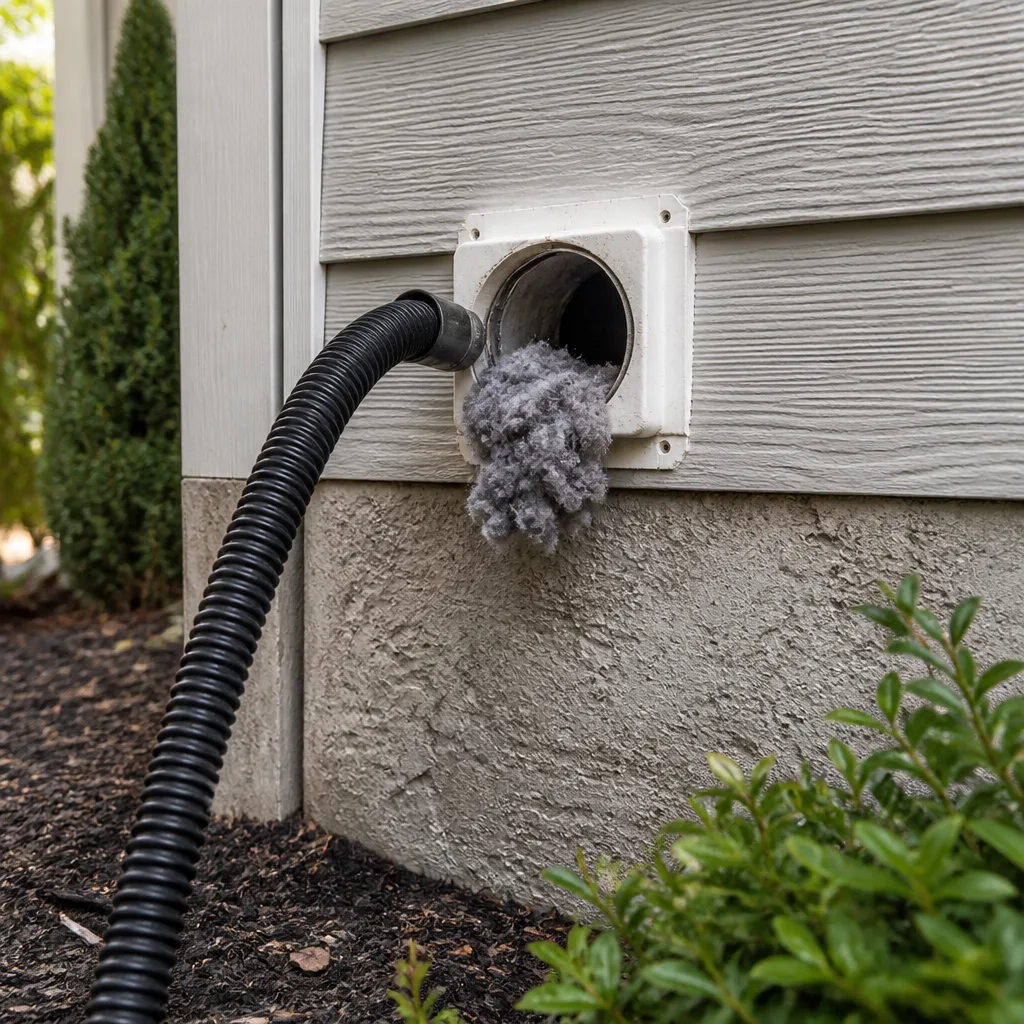 Dryer vent cleaning
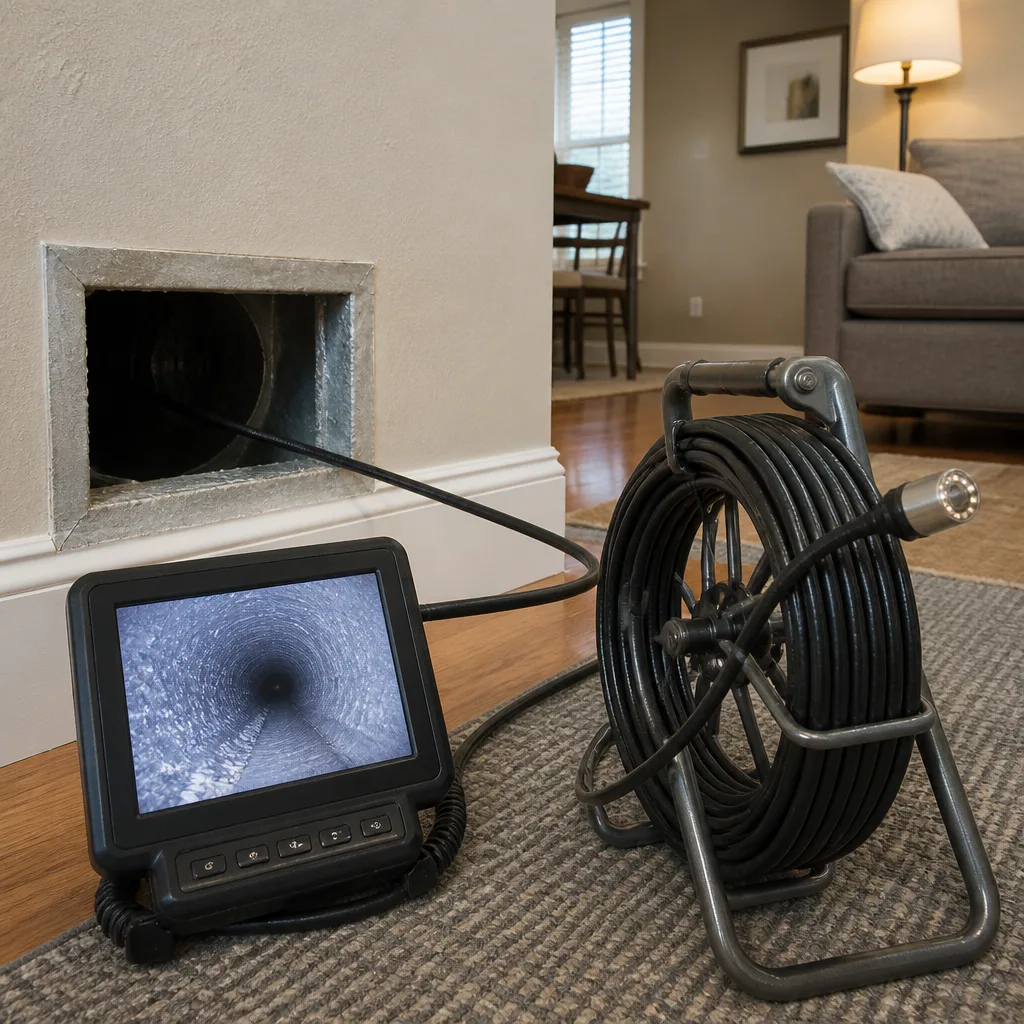 Camera inspection
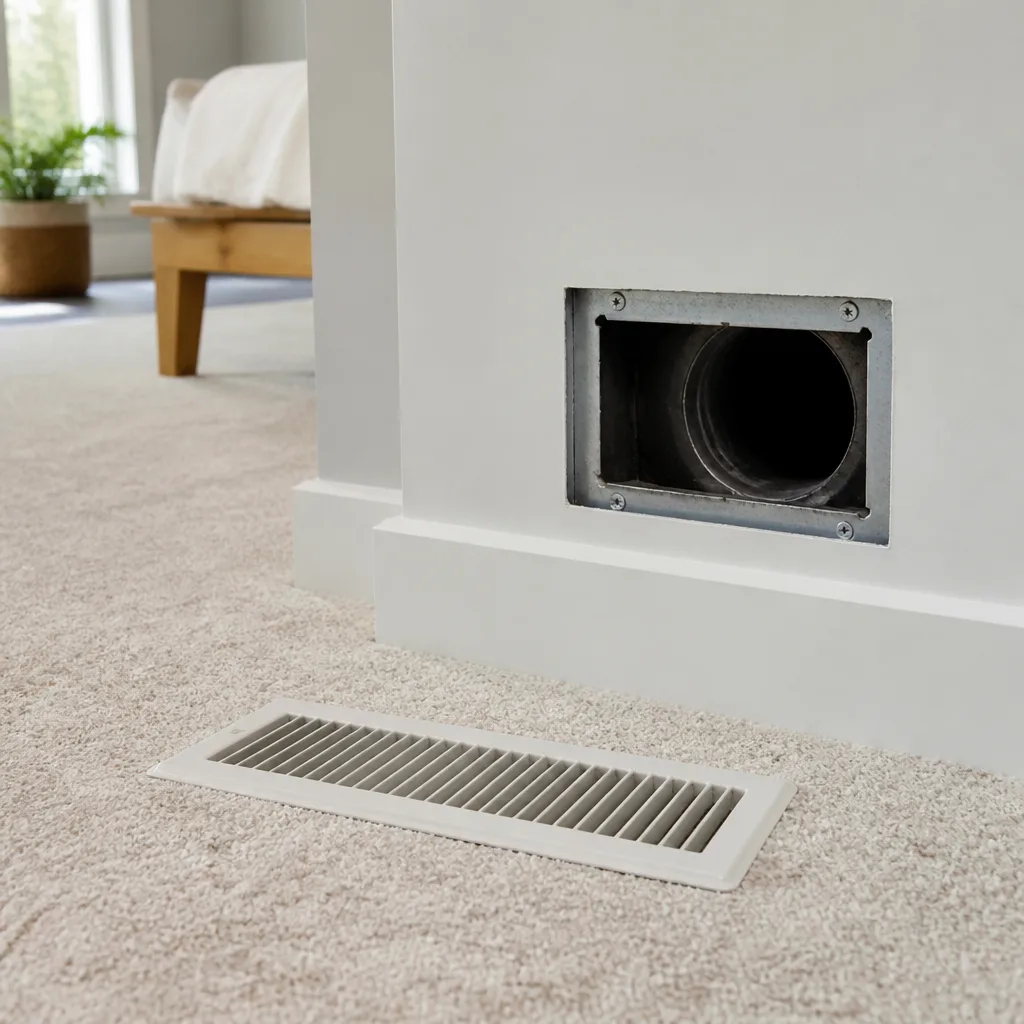 Sanitizing & deodorizing
Whole-system duct and dryer vent check with before-and-after photos - you see exactly what came out of your vents
That "$99 whole-house special" is a bait ad - the real number appears once they are in your hallway, or the "clean" is a shop-vac at the register. We photograph the inside of your ducts before and after instead.
Air Duct Cleaning Troubleshooting in Kingwood: Common Problems and How to Fix Them
Most homeowners in Kingwood assume the thermostat is wrong when a room runs hot. It rarely is. The thermostat is doing its job. The duct system is the part that’s failing, and it fails in patterns that a trained eye can read like a diagnostic report. If one room in your Kingwood home is always hotter than the rest, your thermostat isn’t lying – your duct system is. Most of what we get called out to diagnose in Kingwood isn’t a broken air conditioner. It’s a duct problem wearing an HVAC costume: a crushed flex run behind a wall, a leaking plenum in the attic, a register starved of static pressure. This guide walks you through the symptoms, what each one actually points to, and whether you’re looking at a cleaning fix, a sealing fix, or a replacement.
Quick Answer
Air duct problems in Kingwood usually trace to one of four root causes: pressure imbalance from undersized or crushed runs, unsealed joints leaking conditioned air into hot attics, contamination buildup feeding musty odors, or disconnected or collapsed flex duct starving a room of airflow. Reading the symptom correctly tells you which fix you need – cleaning, sealing, repair, or replacement – before anyone touches your equipment.
Styles & brands we work with
- Whole-home duct cleaning
- Dryer vent cleaning
- Camera inspection
- Sanitizing & deodorizing
Table of Contents
- Which Symptom Points to Which Duct Failure
- Why Static Pressure Imbalance Matters More in Kingwood’s Humidity
- The Register Self-Check Before You Call Anyone
- Cleaning Fix vs. Sealing Fix vs. Replacement Fix
- What a Negative-Pressure Diagnostic Pull Actually Reveals
- How Kingwood’s Climate Accelerates Duct Deterioration
- Dryer Vent Problems That Get Mistaken for Duct Problems
Which Symptom Points to Which Duct Failure
Every duct failure announces itself with a symptom. The skill is matching the symptom to the cause instead of throwing a cleaning at it and hoping. Here’s how we read the most common complaints we hear in Kingwood.
One room consistently hotter or colder than the rest. This is almost always a delivery problem, not a cooling problem. A flex run that’s been crushed during a remodel, a damper stuck closed, a register tap that was never properly cut in, or a duct run that’s simply too long for the static pressure behind it. The equipment is producing cold air. The duct isn’t delivering it to that room. If the room is directly above the air handler and still runs hot, the run is likely kinked or pinched where it connects to the trunk.
Utility bills climbing with normal usage. When your HVAC system runs longer but your home doesn’t feel cooler, you’re paying to cool the attic. Unsealed joints in the supply trunk leak conditioned air into an unconditioned space, and the equipment works harder to compensate. In Kingwood’s climate, an attic can sit far above outdoor temperature, so every leak is an expensive one.
Musty odor at certain registers. A musty smell that’s stronger at one or two vents than others points to localized moisture and biological growth inside a specific run. That’s a contamination problem that a routine cleaning won’t solve unless it’s paired with sanitizing. Humidity that stays high inside a duct gives spores a place to settle. When the odor shows up only after the system has been off for a while, you’re smelling what grew while the coil was wet and the air was still.
Rattling, popping, or whistling at a register. Whistling at a register usually means the register is starved: too much pressure pushing through too small an opening. Popping or rattling can be loose duct board, an unsealed joint flexing, or a run that’s disconnected and vibrating against framing. Loud bangs at startup point to pressure spikes the system can’t relieve.
Visible dust blowing out of a register right after the system kicks on. That’s debris sitting in the run and getting pushed out every cycle. It also tells you the return side isn’t filtering as well as it should.
Why Static Pressure Imbalance Matters More in Kingwood’s Humidity
Static pressure is the resistance air meets as it moves through the duct system. Think of it as blood pressure for your ducts. Too high on the supply side and the system can’t push enough air where it’s needed. Too high on the return side and the system starves, which means it cools less efficiently and runs longer. In Kingwood, where outdoor humidity sits high for much of the year, a pressure imbalance has a compounding effect most homeowners never hear about.
Here’s the connection. When a system is pressure-starved, the coil runs colder than it should because airflow across it is reduced. A cold coil in humid air condenses more moisture than it can drain quickly. That standing moisture is exactly what feeds the biological growth that turns into musty odors. It also softens duct board and accelerates the deterioration of flex duct liners. So the pressure imbalance doesn’t just make rooms uneven. It makes the whole system wetter, and wetter means faster failures downstream.
This is why a diagnostic that only checks temperature at the register misses the real story. You can have a register blowing cold air and still have a static pressure problem that’s slowly wrecking the system. The fix in these cases isn’t always a cleaning. It’s often a sealing and balancing job that restores proper airflow, which in turn keeps the coil drier and the ducts cleaner longer.
One warning about this diagnosis: static pressure correction involves the air handler and the duct trunk, and it’s not a job for a homeowner with a pressure gauge and a weekend. The equipment and the technique matter, and the consequences of getting it wrong include an overheated blower or a frozen coil. That part belongs to a trained technician.
The Register Self-Check Before You Call Anyone
You can gather a lot of diagnostic information at your own registers before anyone shows up. None of this involves opening ductwork or touching equipment. It’s observation, and it helps a technician get to the root cause faster.
- Check airflow direction at every register. Hold a tissue or a light piece of paper against the grille. Air should push it away steadily. If a register barely moves it, that run has a delivery problem. If air seems to be pulling in at a supply register, something is seriously out of balance.
- Compare temperature at the register to the room. A supply register should feel noticeably cooler than the room air when the system is running. If two registers in the same room feel wildly different, one of the runs has a problem.
- Look inside the grille for visible debris. A dust mat, pet hair accumulation, or a dark film on the duct interior tells you the system is carrying more than it should. Don’t reach inside – just note what you see.
- Listen at each register when the system starts and stops. Whistling, popping, or a hard bang is information. Note which register makes the noise.
- Note which rooms run hot or cold and when. Morning vs. afternoon, system on vs. off. This timing tells a technician whether the issue is solar gain, pressure, or a specific run.
- Smell each register. A musty note at one register but not another narrows the problem to a specific section rather than the whole system.
Write this down. When a technician uses a negative-pressure system during a diagnostic, they’re confirming what those observations already suggested. The more precise your notes, the faster the diagnosis.
Cleaning Fix vs. Sealing Fix vs. Replacement Fix
The single biggest source of wasted money in duct work is paying for the wrong fix. Cleaning solves contamination. Sealing solves leakage. Repair solves physical damage. Replacement solves failure. They overlap, but they’re not interchangeable, and knowing which one your symptom demands is the whole game.
When a cleaning fix is the right answer
- Visible debris discharge from registers on startup.
- Musty odor tied to biological growth inside the ducts.
- Recent renovation, move-in, or a home where the ductwork history is unknown.
- Pet hair, dander, or dust buildup reducing airflow at registers.
- You’ve never had the system cleaned and the home has been in use for a while.
Cleaning addresses what’s inside the run. It doesn’t fix leaks or restore pressure. If your symptom is uneven temperature, cleaning alone won’t solve it.
When a sealing fix is the right answer
- High bills with normal usage and a system that runs long.
- Temperature imbalance that persists after cleaning.
- Noticeable dust in the home despite regular filter changes.
- Ductwork running through an attic or unconditioned space.
Sealing addresses air escaping before it reaches the room. It stops conditioned air from leaking into the attic and it keeps contaminated air from being pulled back in. For most Kingwood homes with real energy complaints, sealing is the fix that produces the result.
When a repair or replacement fix is the right answer
- A room with no airflow, or clearly reduced airflow compared to the rest.
- Visible collapse, crushing, or disconnection during inspection.
- Flex duct pinched at a bend or kinked behind a wall.
- Damaged sections after a remodel or pest intrusion.
Repair means restoring the physical run. Replacement is warranted when the duct can’t be reconnected, when sections are saturated with contamination, or when the duct board has degraded enough that it won’t hold a seal. In our experience, a “one room is always hot” complaint is a repair or replacement issue far more often than a cleaning issue.
Most real jobs involve a combination: clean the whole system, then repair and seal the problem runs, then sanitize. Doing it in that order is what prevents re-contamination. Cleaning without sealing lets the same dust settle back in. Sealing without cleaning traps contamination inside a now-sealed system. The sequence matters as much as the individual steps.
What a Negative-Pressure Diagnostic Pull Actually Reveals
A camera-only inspection shows you the inside of a duct and not much else. It tells you there’s dust or debris. It doesn’t tell you how much air is actually escaping, how much pressure the system is losing, or how much contamination is airborne. A negative-pressure diagnostic does.
The technique works like this. A commercial system – in our case a Nikro or Rotobrush rig with Abatement Technologies equipment when contamination levels warrant it – creates negative pressure across the duct system. Air is pulled from the ductwork rather than blown into the home. What the technician measures during that pull is where the diagnostic value sits.
What a negative-pressure pull measures and shows:
- Actual airflow volume through each run. Not what the register “feels like” but measured delivery. This is how you find out which run is starved.
- Leak pathways. When the system is under negative pressure, the technician can see where air is being drawn in at joints, plenums, and equipment connections that a camera would never reveal.
- Contamination volume and location. What actually comes out of the system – debris, dust, biological material – tells the technician whether a standard clean is sufficient or whether sanitizing and higher-grade containment is called for.
- System integrity before cleaning. A negative-pressure pull shows whether the ductwork is sound enough to clean without risking damage to seals that are already failing.
This is the difference between a technician who tells you “your ducts are dirty” and one who tells you which runs are leaking, which are starved, and where the contamination is concentrated. The measurement drives the fix. A camera can’t replace it.
The reason this matters in Kingwood specifically: high ambient humidity makes air leakage more costly. Air pulled in through a leak at 80%+ humidity has to be conditioned before it feels cool. A negative-pressure pull quantifies that leak, which lets the technician prioritize sealing where it counts. Without the measurement, the sealing job is guesswork.
How Kingwood’s Climate Accelerates Duct Deterioration
Kingwood does not suffer the extremes that tear at ductwork in colder regions. No deep freeze, no ice, no salt air creeping through gaps. What it has is sustained humidity and hot attic temperatures for most of the year, and those two factors together are far more destructive to a duct system than most homeowners realize.
Moisture inside the duct board. Duct board is a composite material with a foil or coated face. Once that face is punctured, moisture can migrate into the board. In a climate where indoor humidity can sit high, that moisture doesn’t dry out. It stays, softens the board, and eventually compromises the structural integrity of the run. Air leaks at the failed sections follow.
Biological growth on the coil and in the duct. A coil that stays wet because a system is starved of airflow is a growth surface. Removing that growth takes cleaning and sanitizing, not just wiping visible dust. This is where an Abatement Technologies rig and proper sanitizing products earn their place. A surface-level pass with a shop vac does not resolve a humidity-driven contamination problem.
Attic heat and duct degradation. Duct runs in a Kingwood attic sit in a very hot space during the cooling season. Unsealed joints in that environment don’t just leak conditioned air out, they draw hot, humid attic air into the run. That air has to be cooled before it reaches a register, which is part of why rooms far from the air handler struggle to cool evenly. Sealing the joints stops the intrusion at the source.
Flex duct misconfiguration. In a humid climate, flex duct needs to run with as few bends as possible, fully extended, not pinched. A run that’s been crushed or kinked doesn’t just lose airflow, it develops condensation issues near the pinch point as the pressure changes. When we look at a hot-room complaint in Kingwood, a pinched flex run is one of the first things the diagnostic pull reveals.
None of this is unique to one neighborhood. Homes throughout Kingwood’s established communities share the same building practices and the same climate envelope, so the patterns repeat. Knowing them means you can read the system faster.
Dryer Vent Problems That Get Mistaken for Duct Problems
Not every airflow complaint comes from the HVAC ductwork. A surprising number of “the house feels stuffy” complaints we hear in Kingwood trace back to a clogged dryer vent. Dryer vent cleaning is a fire-safety service before it’s a comfort service, and it’s the one airflow system in the home that’s most often ignored until something goes wrong.
Here’s how a dryer vent problem masquerades as a duct problem. A restricted dryer vent makes the dryer work harder and run longer. That extra run time adds heat and humidity to the utility area, which can show up as a stuffy feeling in the home’s core. It’s easy to blame the HVAC. The dryer vent is the actual culprit, and the fix is a proper cleaning of the run from the back of the dryer to the exterior termination.
Signs it’s your dryer vent, not your air ducts:
- Clothes take longer than one cycle to dry.
- The dryer feels hot to the touch on the outside.
- There’s lint visible around the exterior vent flap.
- The utility room or laundry area feels humid after a load.
- The vent flap outside doesn’t open fully during a cycle.
If the dryer runs long and the laundry area is dank, check the vent before you panic about the ducts. A restricted dryer vent is a fire risk, and it’s one of the leading causes of residential house fires. That alone makes it worth an inspection when the symptom shows up.
Common Mistakes to Avoid
- Blaming the thermostat for an uneven room. A thermostat reads one point in the home. It’s not the reason a far room runs hot. Don’t replace it before you’ve checked the duct run.
- Paying for a cleaning when you need a sealing job. If your utilities are high but your air looks clean, cleaning won’t help. Leaks need sealing. Mismatching the fix is the most common and most expensive mistake in this trade.
- Doing a partial clean and skipping the return side. Cleaning the supply runs without the return leaves the contamination source intact. A system cleans from the duct opening to the air handler, both sides, or it doesn’t clean.
- Using a shop vac or consumer vacuum on ductwork. A shop vac doesn’t have the suction or containment to pull what’s actually there, and it can push debris back into the system. Professional-grade equipment exists for a reason.
- Blocking registers to “fix” an uneven room. Closing registers to force air elsewhere changes the static pressure in ways that make the problem worse and stress the air handler. It doesn’t route air where you want it.
- Ignoring musty odors as “just how the house smells.” A musty odor at specific registers means biological growth in the system. In a humid climate, that doesn’t fix itself.
- Assuming a camera inspection is a full diagnostic. A camera shows what’s there. A negative-pressure pull measures what it’s doing. They answer different questions, and one of them is the one you actually need.
See the difference
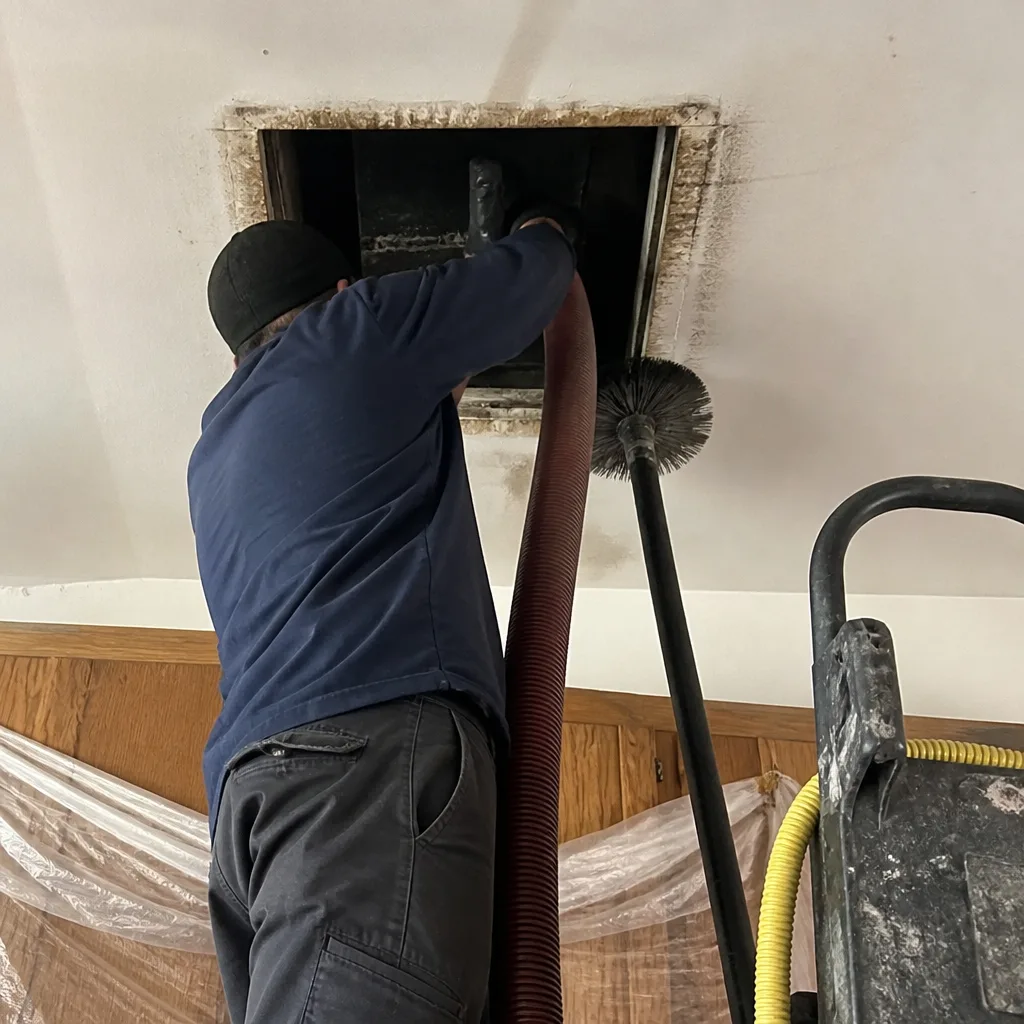 Before
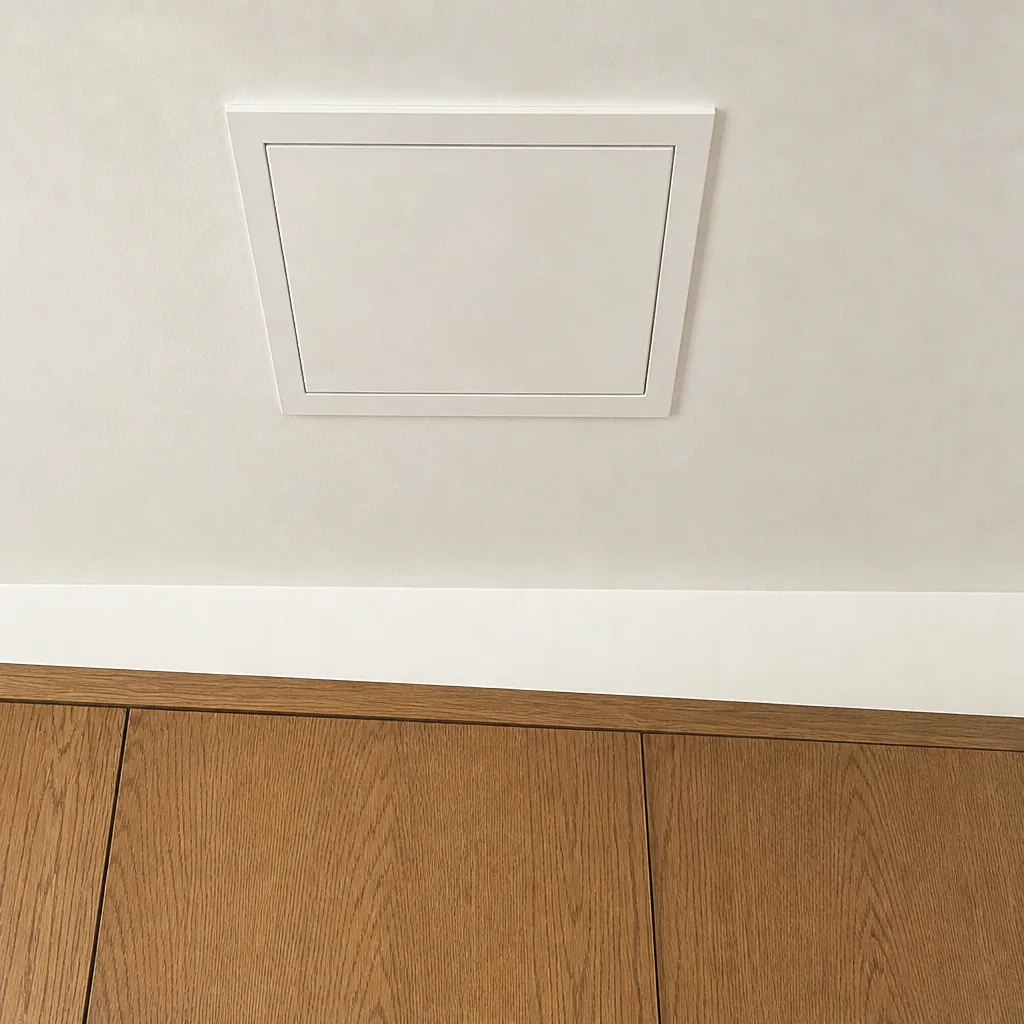 After
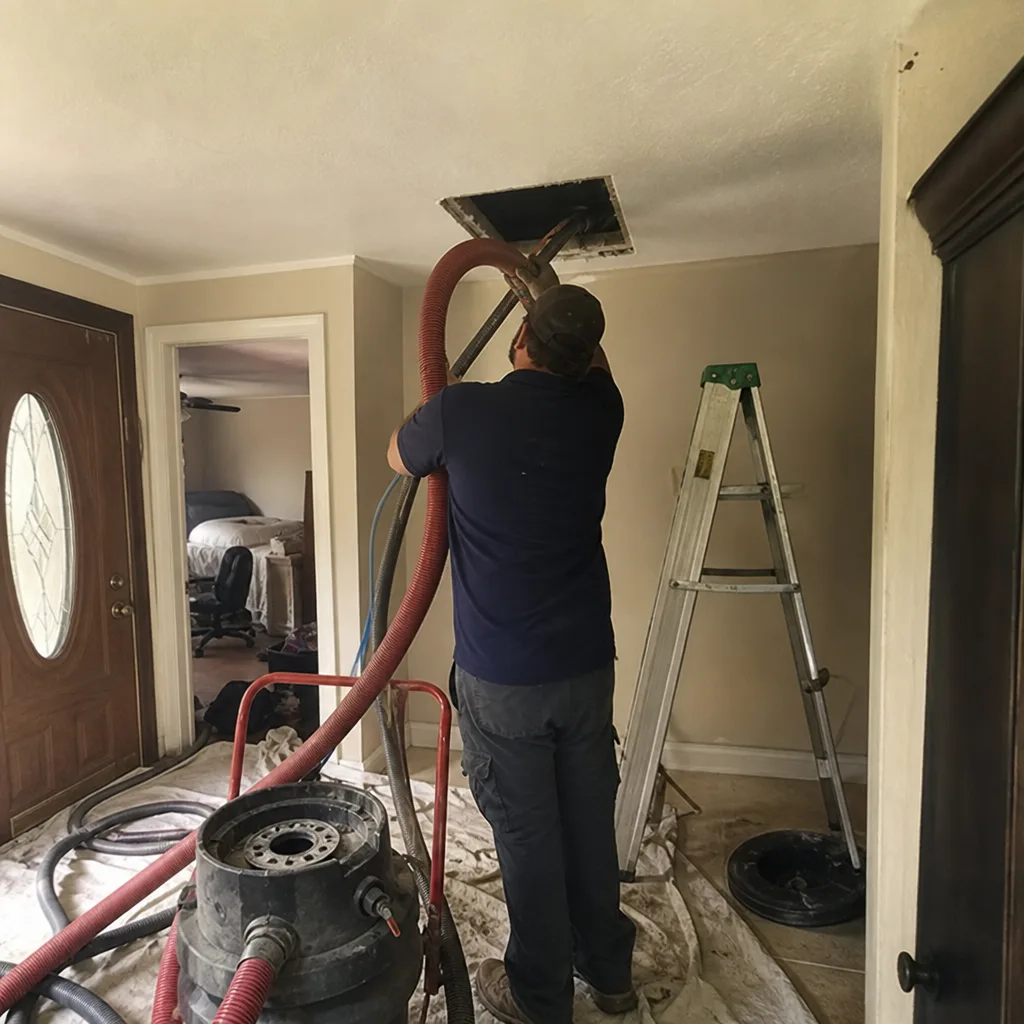 Before
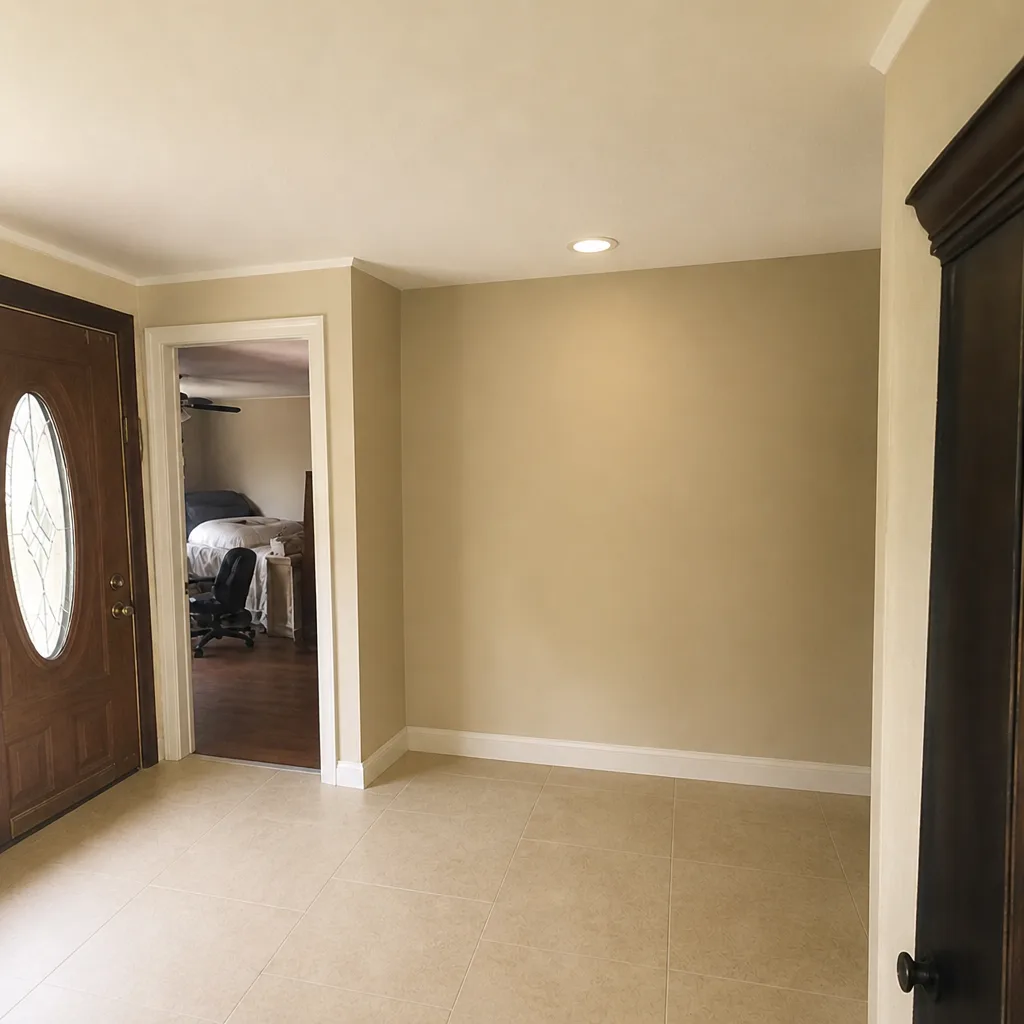 After
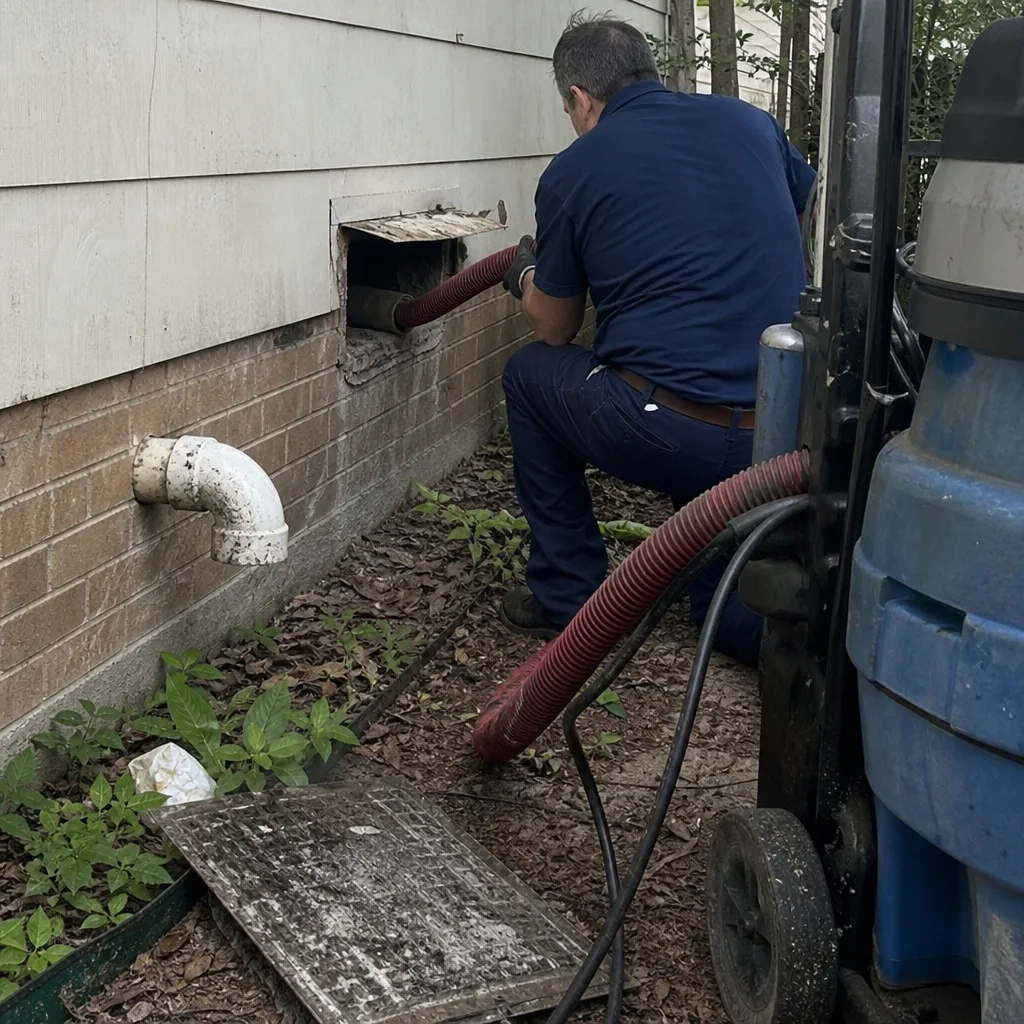 Before
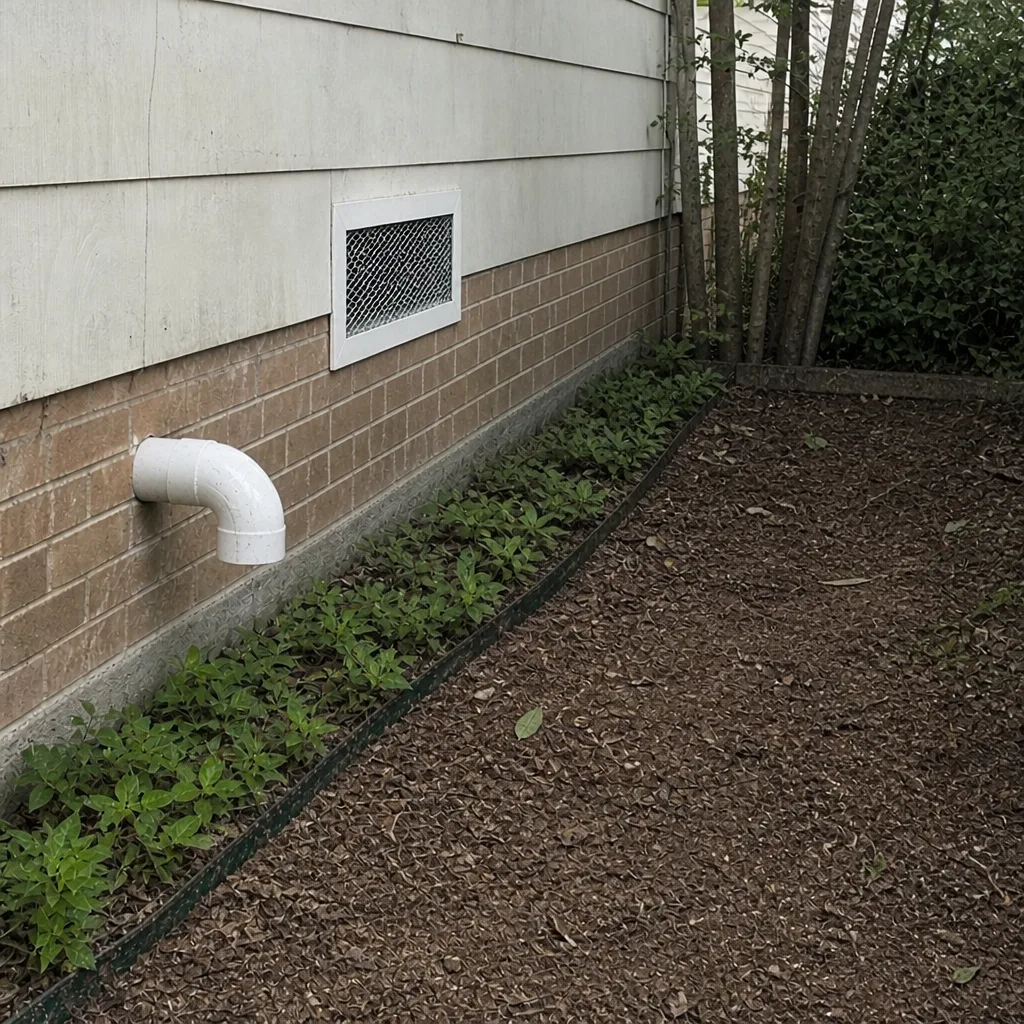 After
When to Call a Professional
Some things you can diagnose. Some things you should hand off. Call a professional when a room has no airflow or clearly reduced airflow compared to the rest, when a musty odor has appeared after a renovation or a move into a home with unknown ductwork history, when your utility bills climb despite normal usage, or when you’ve found visible damage at a register or along an accessible duct run. Call when a self-check shows a register starved of airflow, or when the system is making sounds it didn’t used to make.
We handle the full diagnosis and fix because we carry the equipment to do both: the Rotobrush and Nikro systems that measure, and the sealing and repair capability that resolves what the measurement finds. Every quote is one flat price per system, agreed before work starts, with before-and-after photos of the work so you can see what changed. Kingwood Air Duct Cleaning Co offers free estimates in Kingwood – call (833) 991-7731. We answer 24/7. Fast dispatch from 7am to 7pm, Sunday through Friday.
Frequently Asked Questions
Air duct cleaning in Kingwood is priced per system by a written estimate, not per vent. The exact price depends on the number of runs, the condition the negative-pressure pull reveals, and whether sealing or repair is needed alongside the clean. We hold to one flat price per system agreed before work starts, so there are no surprises once the technician is on site. Call (833) 991-7731 for an exact quote – estimates are free.
Cheaper quotes usually mean a smaller scope: per-vent pricing that sounds low but grows, a surface-level pass without sealing or sanitizing, or equipment that can’t measure what’s actually in the system. A low coupon price that becomes a larger invoice once work begins is the industry’s reputation problem, and it’s why we set the price per system before work starts. Ask any company what equipment they’re using and whether they’ll seal and repair, not just clean. Call (833) 991-7731 to compare against a free estimate.
You see it. Before-and-after photos of your own ducts, taken during the job, show exactly what came out and what the system looked like after. Ask for those photos as part of the quote, and verify the company uses professional-grade equipment by name – Rotobrush, Nikro, or Abatement Technologies for contamination-level jobs. If a company can’t show you what they did, that’s your answer. Call (833) 991-7731 for a free estimate with photo documentation.
Most homes in Kingwood benefit from a cleaning every few years, but the right interval depends on your situation: pets, allergies, recent renovations, and how the system has been maintained all change the answer. A home with no pets and good filtration can stretch longer. A home with allergy sufferers or a renovation in its history may need it sooner. The honest answer is to have the system inspected rather than guessing. Call (833) 991-7731 for a free estimate and a straight recommendation.
Not the dirt itself, no. Uneven rooms come from delivery problems – a pinched run, a stuck damper, or a leaking joint – and cleaning only fixes contamination. When a room runs consistently hotter than the rest, the fix is usually repair and sealing, not just cleaning. That’s why the diagnostic pull matters: it measures airflow instead of guessing. Call (833) 991-7731 for a free estimate that identifies the actual cause.
For most homes with ductwork in the attic, yes. Sealing stops conditioned air from leaking into hot attic space, which lowers run time and prevents hot, humid attic air from being drawn back into the system. It also prevents re-contamination after a cleaning. If your bills are high and rooms are uneven, sealing is usually the fix that delivers the result. Call (833) 991-7731 for a free estimate to see what your system needs.
The Bottom Line
The thermostat isn’t lying. When something in your home is off – a hot room, a spiking bill, a musty odor at one register, a rattle at startup – the duct system is telling you which failure is happening. Read the symptom, match it to the cause, and pick the right fix: cleaning for contamination, sealing for leaks and pressure loss, repair or replacement for physical damage. A negative-pressure diagnostic pull tells you which one you’re actually looking at. From the duct opening to the air handler, we clean, sanitize, repair, and seal with professional-grade equipment, and we set one flat price per system before work starts. If you’re ready to stop guessing, Kingwood Air Duct Cleaning Co is here for the full diagnosis and the fix.
Ready to find out what’s really going on in your ductwork? Call (833) 991-7731 for a free estimate. We answer 24/7. Fast dispatch from 7am to 7pm, Sunday through Friday. Whether the answer is a straightforward clean or a full repair-and-seal job, you get the same thing up front: a clear diagnosis, a flat price, and before-and-after photos of the work.
Written by the team at Kingwood Air Duct Cleaning Co.