
Last updated November 25, 2026
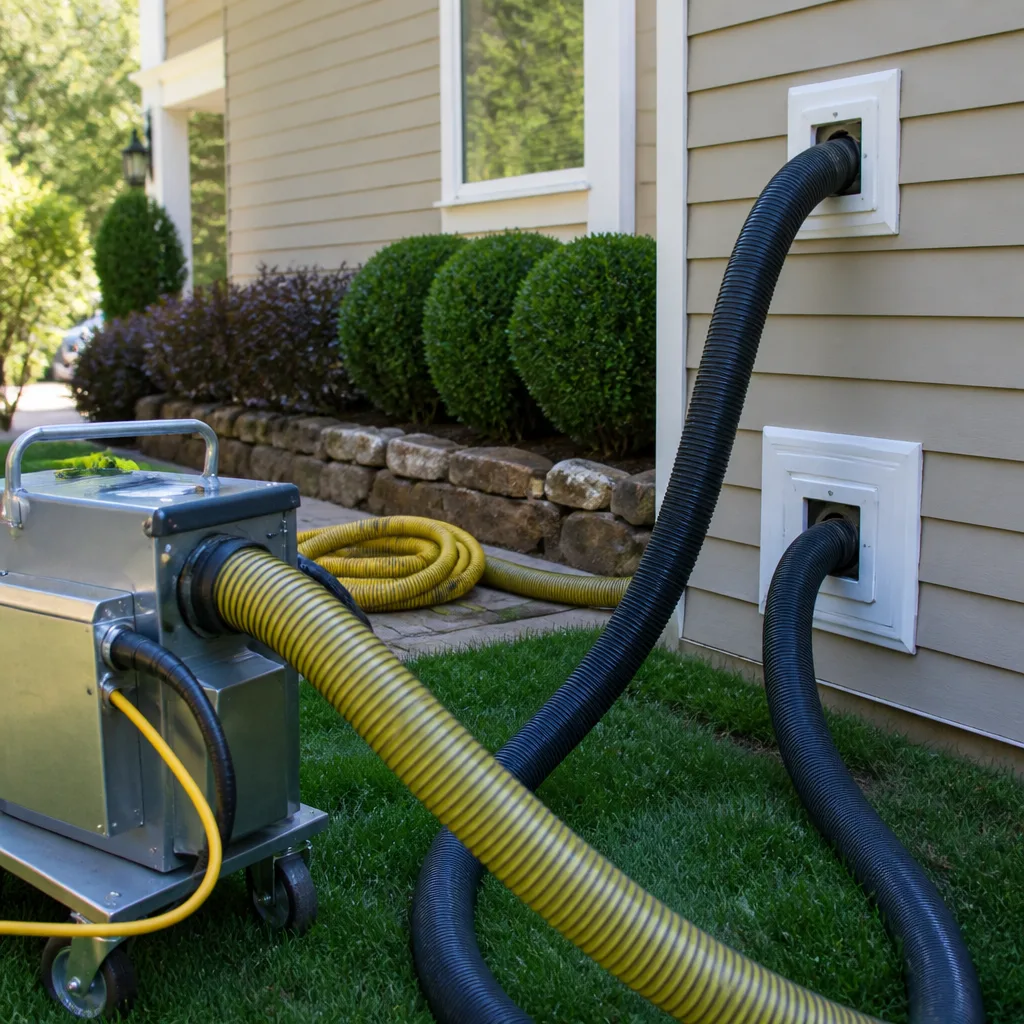 Whole-home duct cleaning
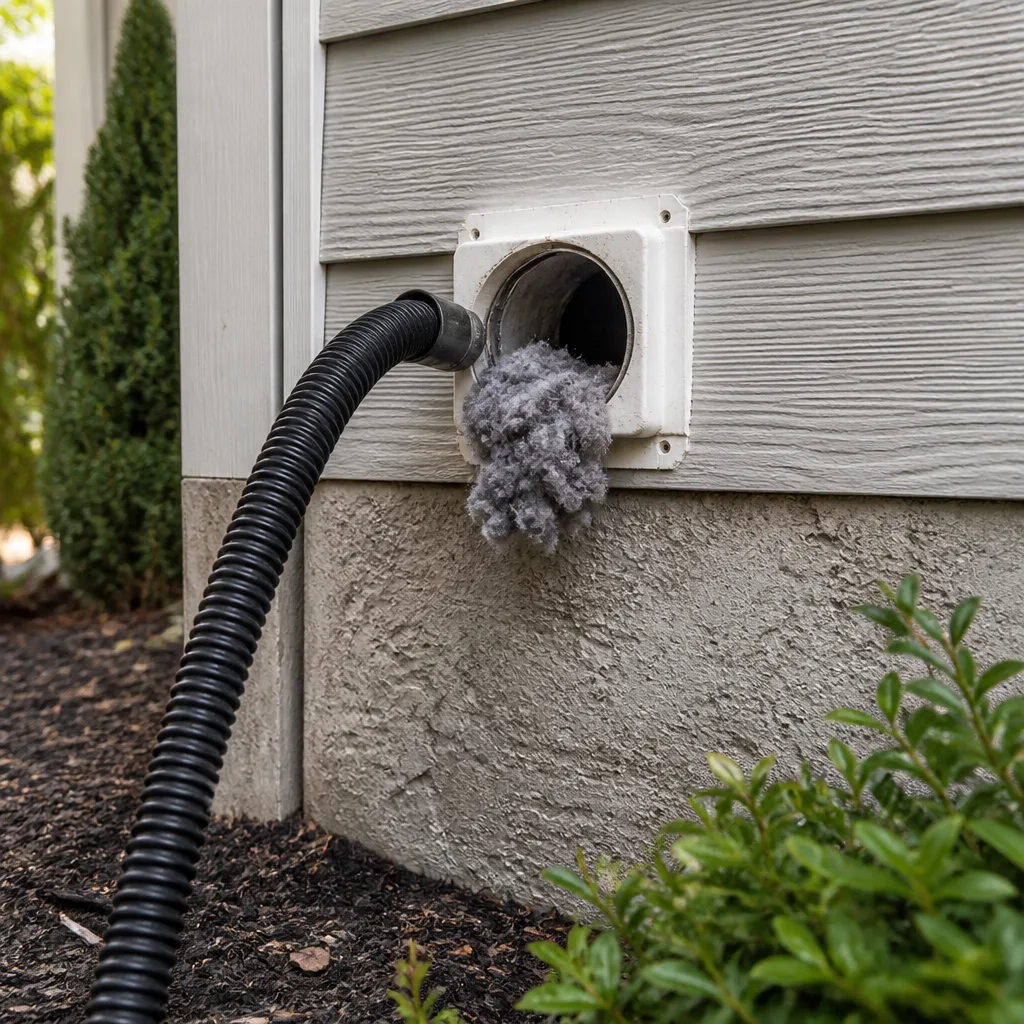 Dryer vent cleaning
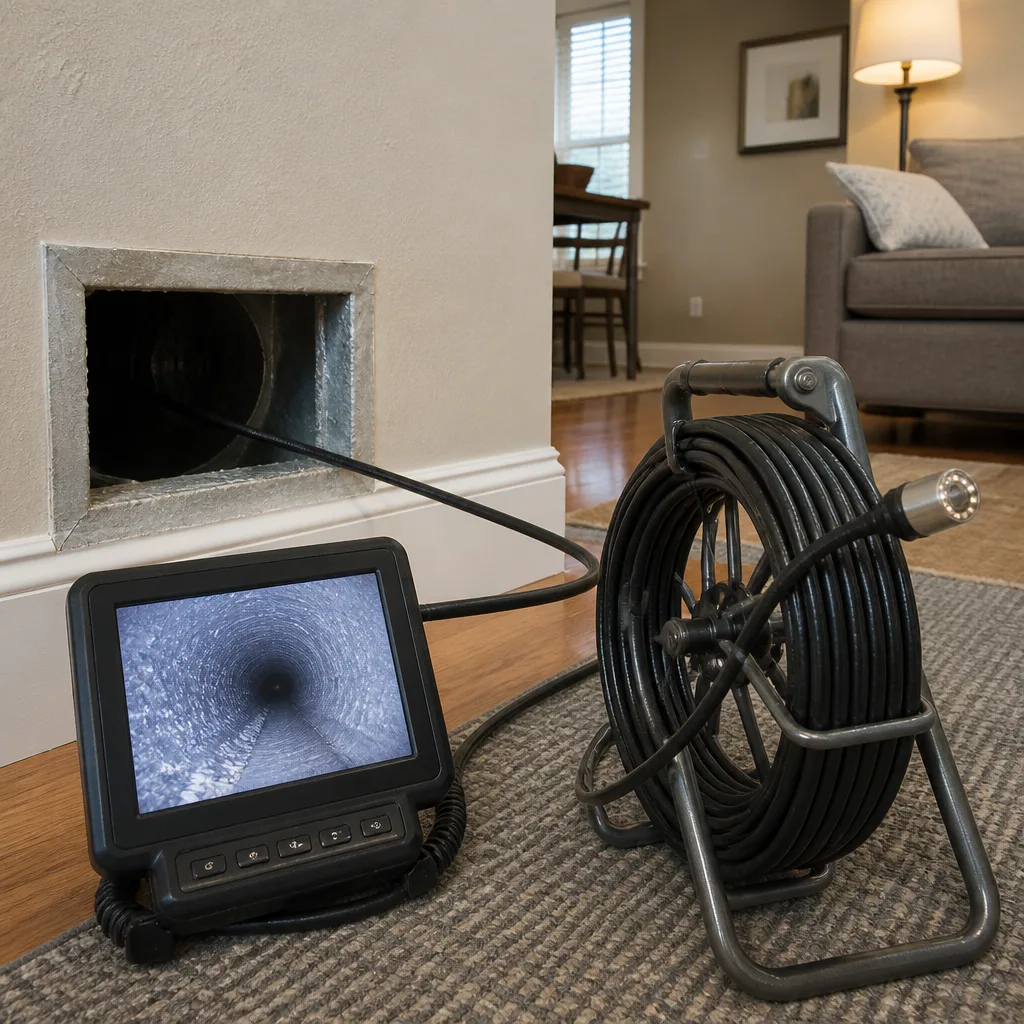 Camera inspection
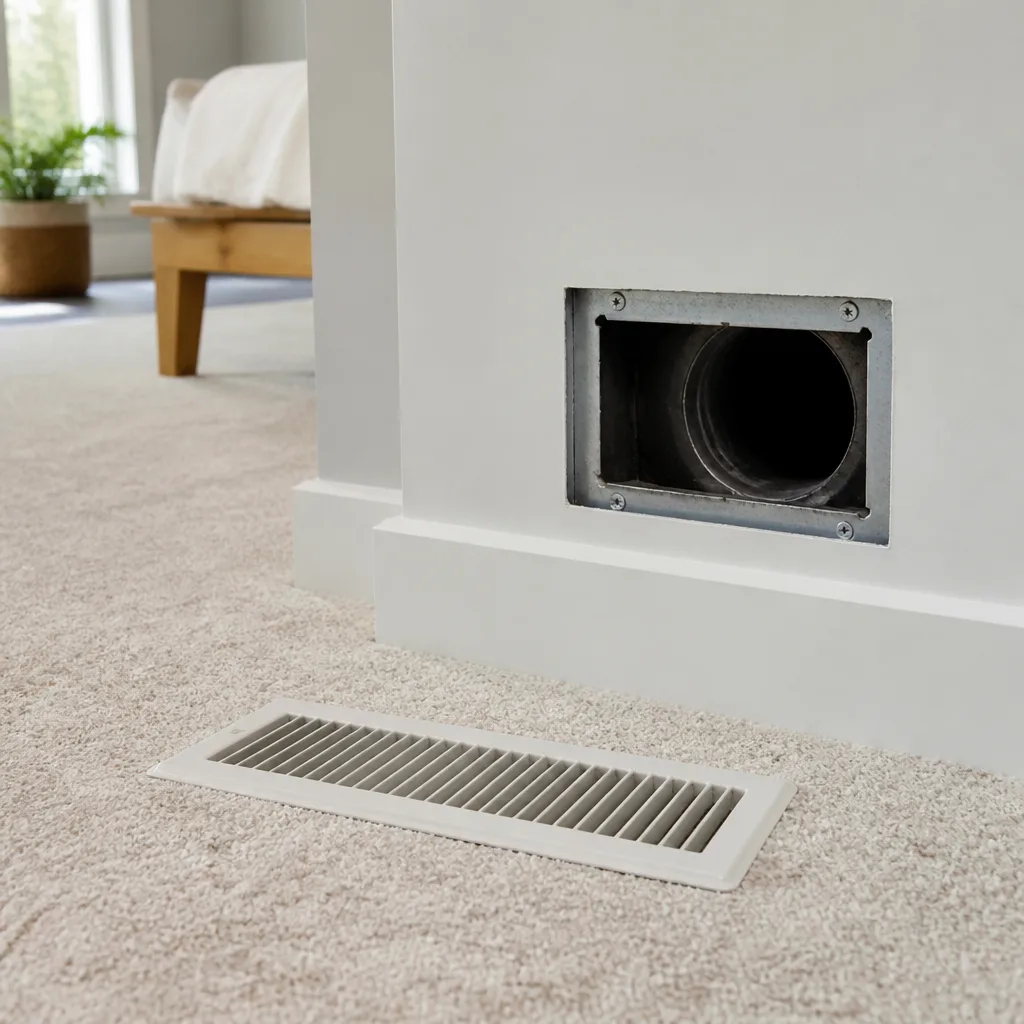 Sanitizing & deodorizing
Whole-system duct and dryer vent check with before-and-after photos - you see exactly what came out of your vents
That "$99 whole-house special" is a bait ad - the real number appears once they are in your hallway, or the "clean" is a shop-vac at the register. We photograph the inside of your ducts before and after instead.
Air Duct Cleaning Maintenance Checklist for Kingwood Homeowners
Changing your filter on schedule feels responsible. But if the flex duct behind your air handler has a 6-inch sag collecting standing condensate, that filter swap is just window dressing. Most duct problems in Kingwood don’t announce themselves with a bang. They build slowly, out of sight, in the attic runs and the flex joints you never look at. A checklist that only says “change your filter” misses the failures that actually cost money. This guide gives you a diagnostic rhythm, not a reminder: monthly, quarterly, and annual tasks tuned to Kingwood’s humidity swings, cedar fever season, and post-storm conditions, plus the red flags that mean you should stop checking and start calling.
Quick Answer
Air duct maintenance in Kingwood is a three-tier rhythm: monthly filter and drain pan checks, quarterly visual inspections of accessible flex duct for sag and disconnection, and one annual full-system cleaning and HVAC check scheduled between pollen surges and before storm season. Any sagging duct, standing water, or visible mold moves the task from your checklist to a professional call immediately, because sealing and repair cost a fraction of what those conditions become if ignored.
Styles & brands we work with
- Whole-home duct cleaning
- Dryer vent cleaning
- Camera inspection
- Sanitizing & deodorizing
Table of Contents
- Why Your Duct System Needs a Checklist, Not a Reminder
- Monthly Tasks for Kingwood Homeowners
- Quarterly Tasks and Kingwood’s Seasonal Triggers
- The Annual Full-System Inspection and Cleaning
- How to Inspect Accessible Flex Duct Without Opening Walls
- The Drain Pan and Drip Line Link to Air Quality
- Choosing a MERV Rating for Kingwood’s Allergen Seasons
- Red Flags That Move a Task to a Professional Call
Why Your Duct System Needs a Checklist, Not a Reminder
A reminder tells you to do something. A checklist tells you what to look for while you’re doing it. That difference matters in Kingwood because duct failure here follows predictable patterns, and each one gives you an early signal if you know where to look. Flex duct sags under its own weight in a hot attic, and a sag becomes a condensate trap. Seasonal humidity cycles flex joints open and shut hundreds of times. Pollen loads in spring and fall push fine particles past filters that aren’t rated for them. None of these failures announce themselves. They show up in small details: a slightly wet drain pan, a duct run that dips, a room that never gets quite as cool as it used to.
A proper checklist turns those details into a diagnosis. Three inspection windows do most of the work – monthly, quarterly, and annual – and each one is cheap in time and expensive in value if you skip it. Starting with Kingwood Air Duct Cleaning Co is fine, but even a homeowner who never calls a pro benefits from knowing what to check.
What Each Tier Catches
- Monthly: filter loading, drain pan water level, unusual smells or dust blowing from supply registers.
- Quarterly: flex duct sag, disconnected joints, compression at bends, and visible debris in accessible runs.
- Annually: full-system cleaning, HVAC coil condition, duct sealing, and dryer vent clearance.
Monthly Tasks for Kingwood Homeowners
Monthly checks take about 15 minutes and catch the failures that cost the least to fix early. The goal isn’t to clean anything. It’s to notice changes before they become expensive.
- Inspect the filter. Hold it up to light. If you can’t see clearly through it, replace it. Kingwood’s pollen load means standard filters load faster in spring and fall than the manufacturer’s 90-day label suggests.
- Check the drain pan. A little water is normal. Standing water, a slimy film, or rust on the pan edges is not. That’s a drainage problem that feeds mold into your airstream.
- Look at the drip line exit. If the condensate line outside stops dripping during cooling season, the line is clogged. Water backs up into the pan and eventually into the duct system.
- Smell the supply registers. A musty or damp smell when the system starts means moisture somewhere in the path.
- Watch the dust. New dust settling on surfaces within days of cleaning is a sign of air loss from a disconnected or sagging duct.
None of these tasks require tools. All of them give you the early warning a professional needs to fix a problem before it spreads through the whole system.
Quarterly Tasks and Kingwood’s Seasonal Triggers
Quarterly checks are where Kingwood’s climate shapes the schedule. There’s no single “duct cleaning month” here. There are three triggers, and each one has a window. Cedar fever season in the winter months pushes a heavy load of fine cedar pollen through the system. Peak humidity in late spring and summer stresses every joint and pan. Storm season in late summer and fall brings debris, wind-driven intrusion, and pressure changes that can pull joints apart. A quarterly walk-through that lines up with those windows will catch more than a calendar-based cleaning ever will.
The Three Kingwood Triggers
- Cedar fever window: fine pollen bypasses lower-rated filters and coats the inside of ducts. Check filter loading more often during this stretch.
- Peak humidity months: condensation cycling is at its highest. Check drain pans, drip lines, and any flex duct that runs through unconditioned attic space.
- Post-storm checks: inspect accessible duct runs for disconnected joints, collapsed sections, or debris pulled into the return. Pressure changes from a storm can separate a joint that was barely holding.
Between triggers, do a basic visual pass on accessible duct runs and the air handler cabinet. If you find anything that looks wet, torn, or disconnected, stop and call a pro. Duct tape is not a repair.
The Annual Full-System Inspection and Cleaning
Once a year, the system needs more than a visual check. This is when professional air duct cleaning and an HVAC inspection happen together, because the two are connected. Dust in the ducts loads the coil. A dirty coil drives higher static pressure. Higher static pressure makes flex duct sag worse. The cycle runs in both directions, which is exactly why the two services belong on the same visit.
- Schedule the cleaning between pollen surges. Cleaning right before cedar fever season or right after it means you’re not just chasing the same debris year after year.
- Have the air handler and coil inspected. A coil packed with debris is a hidden cause of poor airflow. HVAC cleaning covers the components the ducts feed.
- Ask for duct sealing to be assessed. Cleaning without sealing lets a sagging joint re-contaminate the system within weeks. Sealing is what makes a cleaning last.
- Include the dryer vent. Annual dryer vent cleaning is a fire-safety task, not a comfort one. Lint accumulates faster than most homeowners expect, and it’s the leading cause of residential dryer fires.
- Review filters and MERV rating. The right rating changes with the season and with who lives in the home.
The annual visit is the anchor of the checklist. Everything else is a watch-and-wait until that anchor is set.
How to Inspect Accessible Flex Duct Without Opening Walls
You don’t need to open drywall to find the most common duct failures. Accessible runs – attic space, air handler closets, garage ceiling connections – show you almost everything. The key is knowing what “wrong” looks like.
- Look for sag. Flex duct should run straight and supported. A sag deeper than a few inches becomes a low spot where condensation collects and debris settles.
- Check the connections. Where flex duct meets a metal collar or the air handler, tug gently. A joint that moves is a joint that leaks.
- Look at the bends. A sharp bend or kink compresses the duct and kills airflow. Flex duct should curve smoothly, not corner.
- Look for tears and condensation. A wet outer jacket means the vapor barrier is compromised. That’s a mold risk, not a cosmetic issue.
- Check the support straps. Sagging straps, torn hangers, or duct resting on joists are all common in older Kingwood attics.
If you find sag, disconnection, or compression, write down exactly where it is and call a professional. This is one of the core reasons duct repair and sealing belongs beside cleaning. Cleaning a sagging duct without fixing the sag is a short-term fix.
The Drain Pan and Drip Line Link to Air Quality
The drain pan is the most overlooked part of the whole system, and it’s directly tied to duct cleaning intervals. A pan that holds standing water becomes a biological growth site. When the blower runs, air passes over that pan and carries spores into the duct system. A clean duct with a wet drain pan re-contaminates itself.
What to Check and When
- Monthly: water level in the pan, slime or rust, and whether the drip line is flowing.
- Quarterly: flush the drip line with water to confirm it drains freely. Look for algae growth at the pan outlet.
- Before the annual cleaning: the pan must be clean and dry. If the pan is compromised, cleaning the ducts first wastes the effort.
In Kingwood’s humidity, condensation cycling runs the pan harder than a dry-climate pan ever would. If you see standing water or a persistent musty smell, that’s a professional call, not a DIY job. Microbial growth in an airstream needs proper treatment, not a wipe-down.
Choosing a MERV Rating for Kingwood’s Allergen Seasons
MERV ratings are a tradeoff between filtration and airflow. Higher MERV catches more, but it also restricts airflow if the system wasn’t designed for it. For most Kingwood homes, a MERV 8 filter handles routine dust, and a MERV 11 or 13 is worth considering during pollen peaks if the system can take the restriction.
Seasonal Filter Guidance
- Baseline (most of the year): MERV 8. Adequate dust capture without restricting airflow.
- Cedar fever window: step up to MERV 11 or 13 for fine pollen capture, and check loading more often.
- Allergy or asthma household members: a higher-rated filter plus a whole-home purification solution from a brand like Honeywell or Aprilaire can make a bigger difference than any filter alone.
- Pet owners: hair and dander load filters faster. Shorten the replacement interval instead of buying a higher-rated filter that clogs sooner.
Filter boxes have limits. The system needs to move air, and an over-restrictive filter makes the blower work harder and the ducts sag faster. If a filter swap triggers a room that never cools, the filter rating is too high for the system.
Red Flags That Move a Task to a Professional Call
Some conditions are worth watching. Others are worth calling about today. These are the ones that stop being a checklist item and become a service call.
- Standing water in the drain pan or visible mold on pan or duct surfaces. This is an air quality issue that needs professional treatment, often with Abatement Technologies grade equipment.
- Visible sag or disconnection in a flex duct run. Duct tape and hope do not fix this. Sealing does.
- Dust blowing from registers within days of a fresh filter. That’s air loss from a breach somewhere in the system.
- A persistent musty smell even after cleaning. The source is moisture, and it’s moving through the system.
- A dryer that takes longer than it used to. That’s a lint block, and it’s a fire-safety issue. Have the dryer vent checked before it becomes a problem.
- New allergy symptoms in the house. Consider a professional inspection of the duct interior, not just the visible surfaces.
Professional-grade equipment matters here. A commercial vacuum and improvised tools won’t touch contamination-level conditions. Rotobrush and Nikro systems, along with Abatement Technologies equipment, are what serious cleaning looks like.
Common Mistakes to Avoid
- Filtering by calendar instead of by loading. The 90-day label assumes average conditions. Kingwood’s pollen load can clog a filter in half that time. Check by holding it to the light, not by the date.
- Buying the highest MERV rating available. A restrictive filter that hurts airflow can cause more problems than it solves. Match the rating to the system and the season.
- Cleaning ducts without fixing sag. Cleaning a sagging duct run is temporary. The sag collects condensate and debris again, and the cleaning doesn’t hold.
- Ignoring the drain pan until it overflows. A wet pan feeds mold into the airstream. Check it monthly and treat standing water as a stop-work signal.
- Treating dryer vent cleaning as optional. Lint accumulation is a fire risk, not a comfort issue. Put it on the annual list and keep it there.
- Assuming the attic is someone else’s problem. Flex duct in an untended attic is where most failures start. A quarterly walk-through takes minutes.
- Using duct tape as a permanent repair. Tapes and clips fail under attic heat. Sealing needs proper materials and a proper method.
See the difference
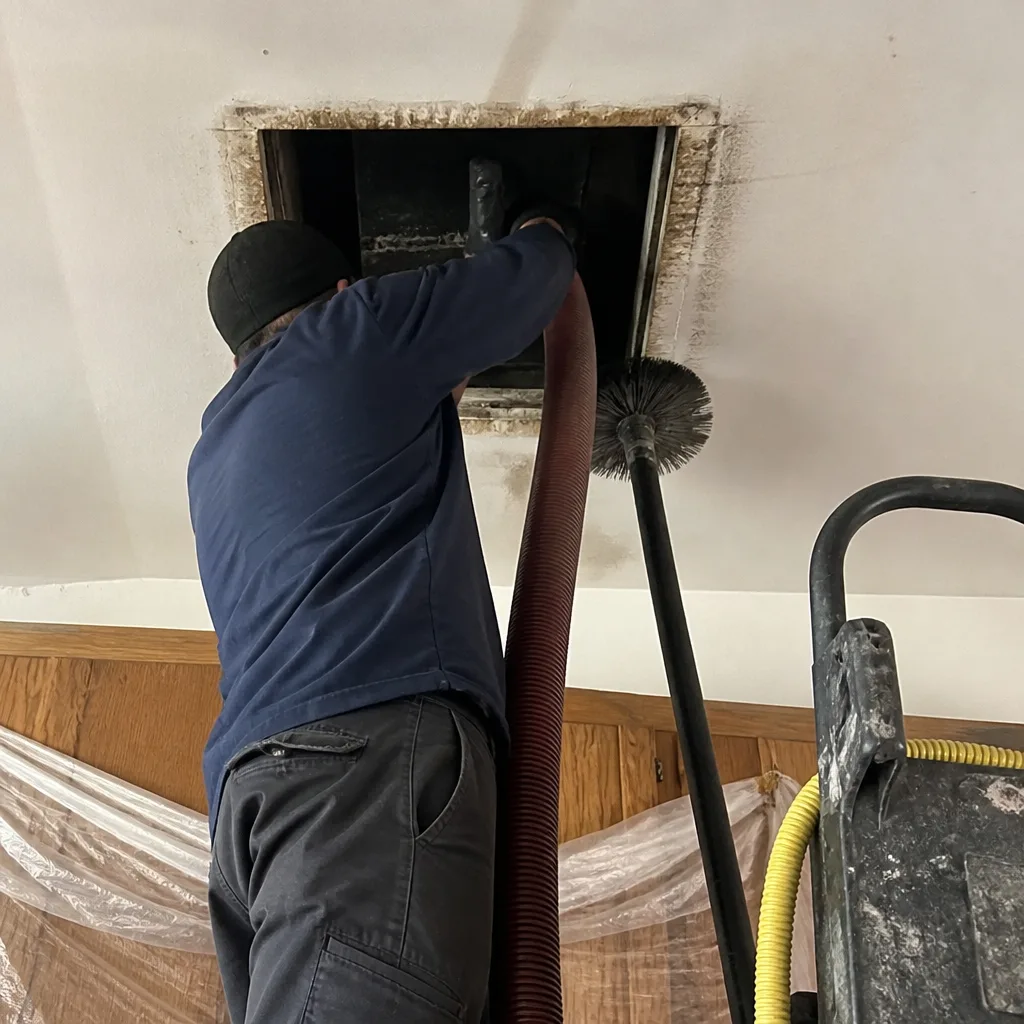 Before
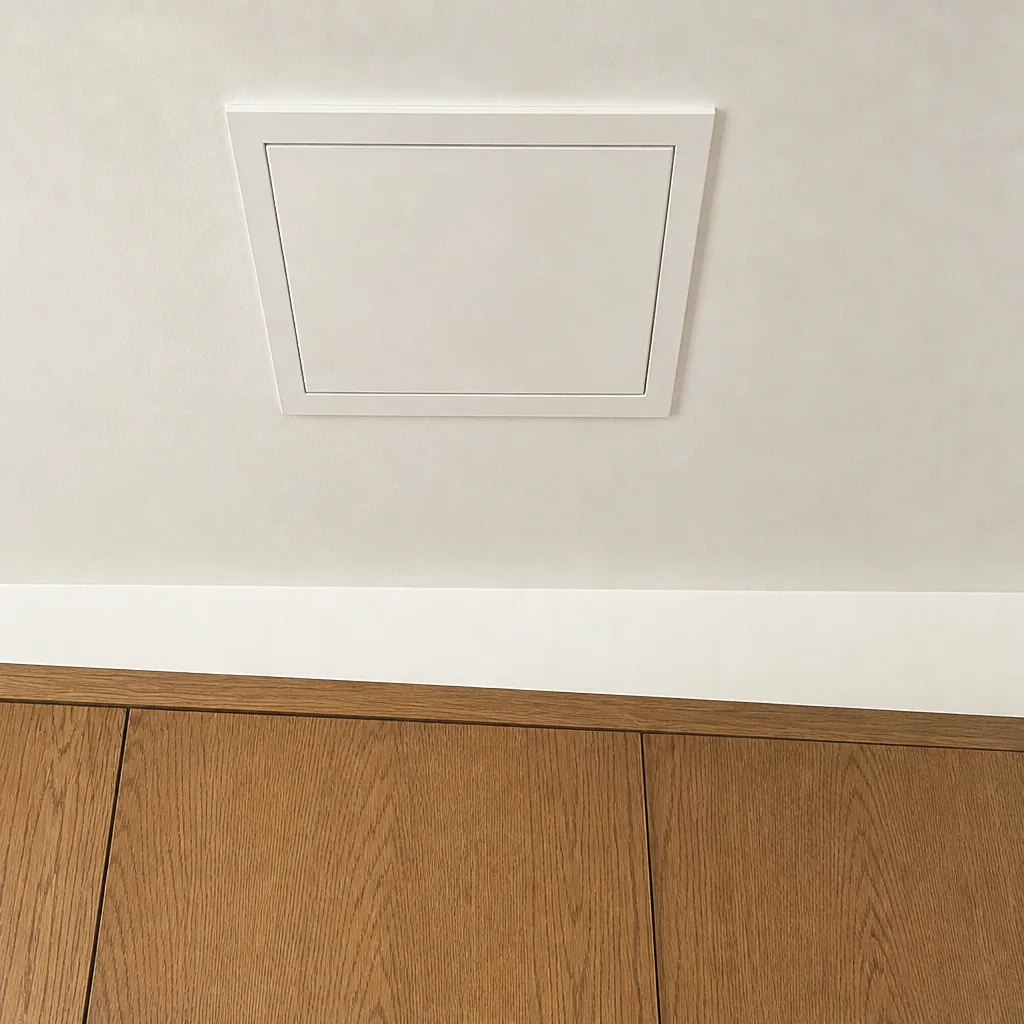 After
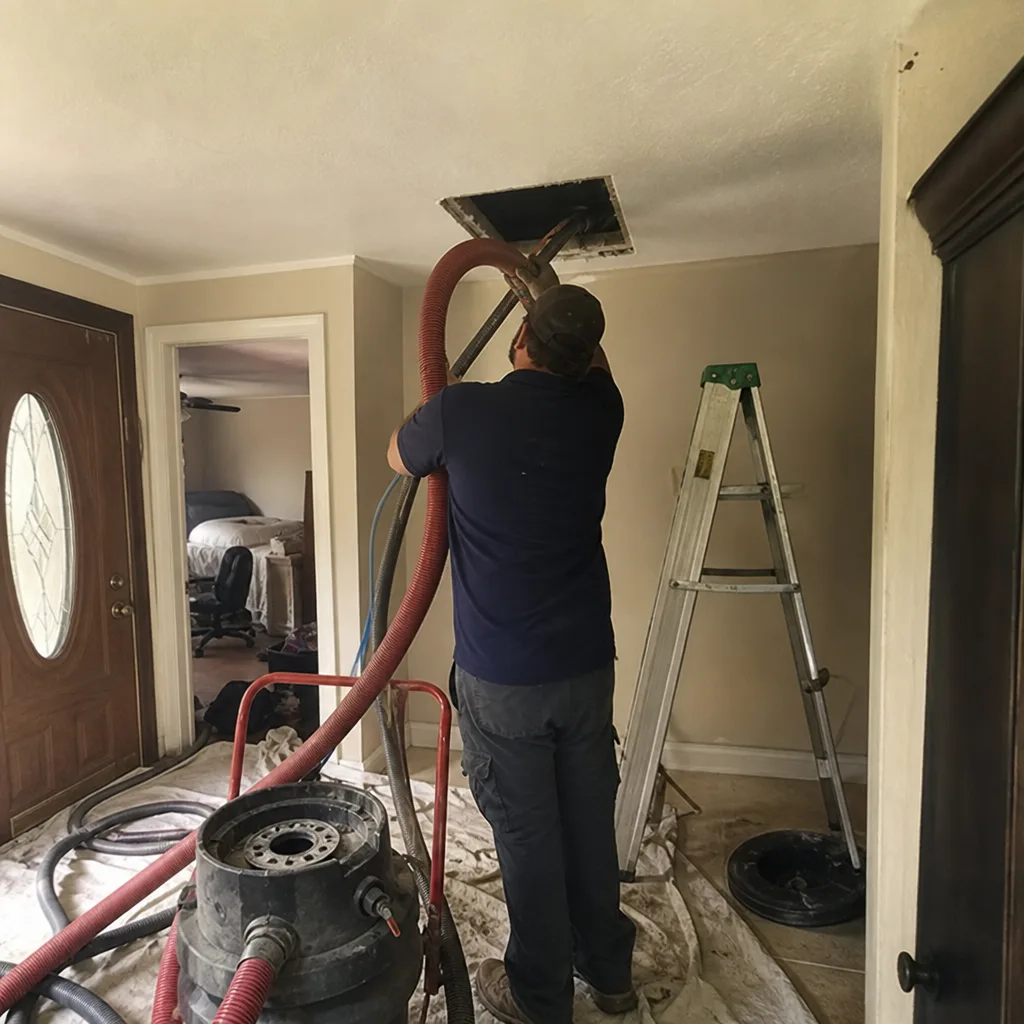 Before
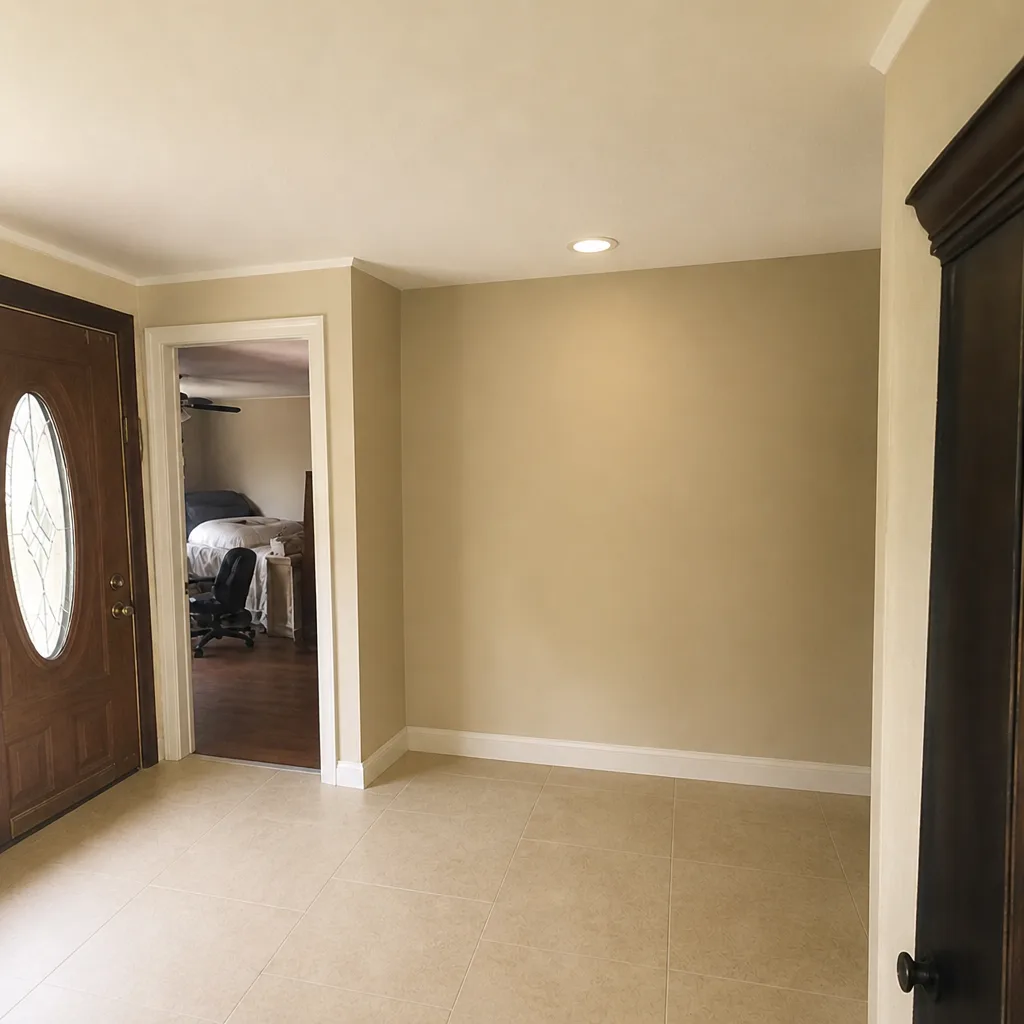 After
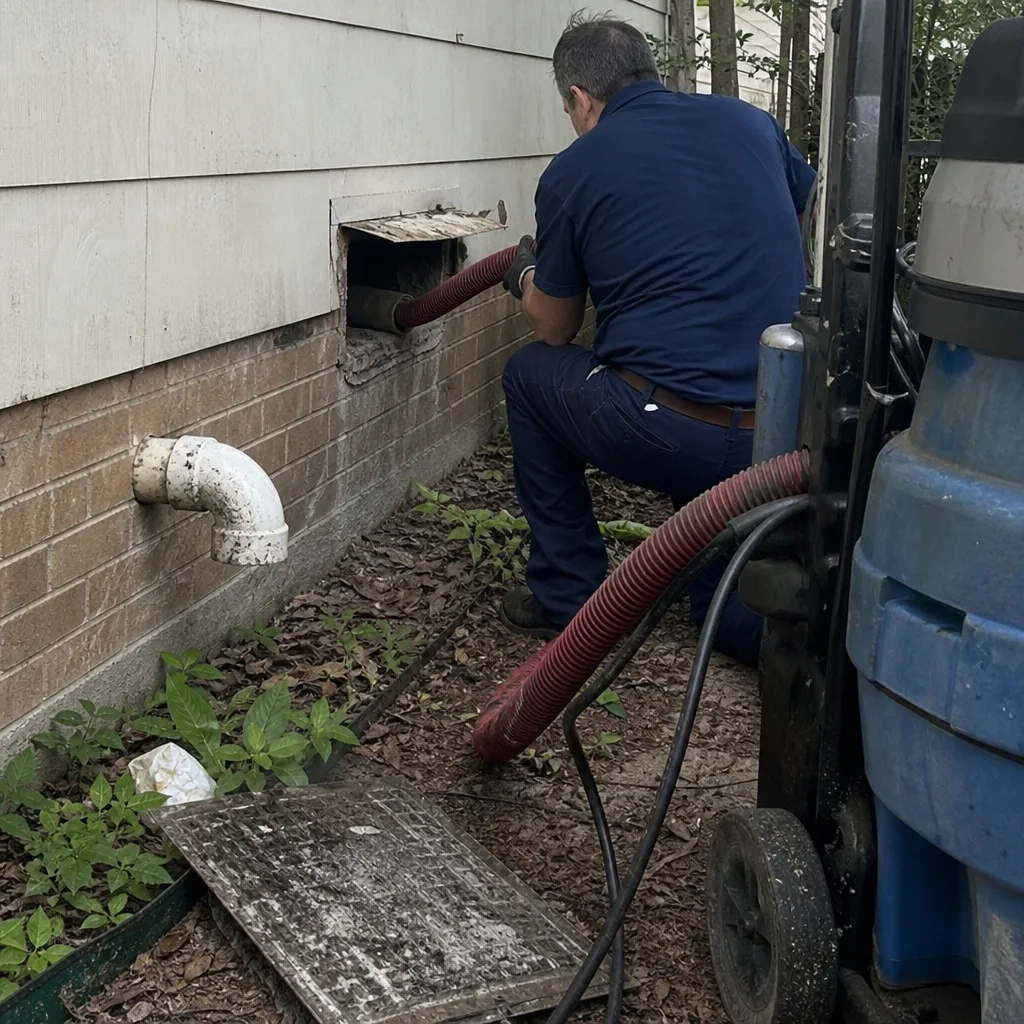 Before
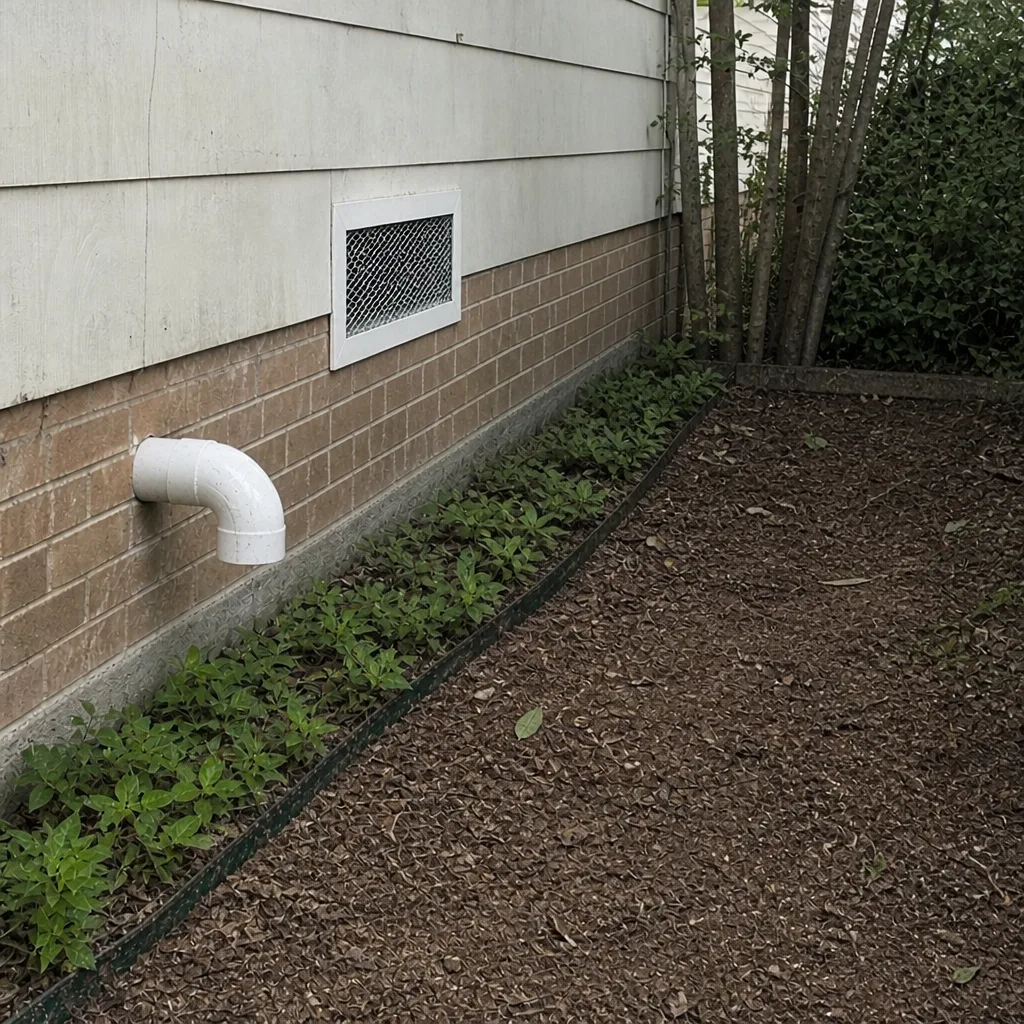 After
When to Call a Professional
Call a professional when you find standing water, visible mold, a disconnected or sagging duct run, or dust returning within days of a filter change. Call when the dryer takes longer, when a musty smell won’t clear, or when anyone in the house develops new respiratory symptoms. Call before the annual cleaning if the drain pan is compromised, since cleaning first would waste the effort. Call when a filter swap doesn’t solve the symptom you’re trying to fix. Kingwood Air Duct Cleaning Co offers free estimates in Kingwood. Call (833) 991-7731. We answer 24/7. Fast dispatch from 7am to 7pm, Sunday through Friday.
Frequently Asked Questions
Once a year is the standard baseline for most Kingwood homes, with the cleaning scheduled between cedar fever season and peak humidity. Homes with pets, allergy sufferers, recent renovations, or a member with respiratory conditions may need an inspection more often. The checklist rhythm – monthly, quarterly, annual – matters more than the exact date.
Yes, for accessible runs. Attic flex duct, air handler closets, and garage ceiling connections show almost every common problem: sag, disconnection, compression at bends, and wet jackets. What you can’t inspect without opening walls is the interior surface condition, which is where professional camera and vacuum equipment comes in.
MERV 8 is the sensible baseline for most homes, stepping up to MERV 11 or 13 during cedar fever season if the system can handle the restriction. House it with an eye on airflow, not just filtration. If a higher-rated filter makes rooms cool less well, it’s too restrictive for the system.
A filling drain pan usually means a clogged condensate line or a pan that isn’t draining properly. In Kingwood’s humidity, algae growth in the drip line is a common cause. Standing water feeds mold into the airstream, so this is a professional call, not a wait-and-see item.
Annual dryer vent cleaning is a fire-safety measure, not just routine maintenance. Lint accumulates faster than most homeowners expect, and it’s a leading cause of residential dryer fires. If the dryer takes longer than it used to, that’s the signal to have it checked.
The signs are a duct run that dips deeper than a few inches, a joint that moves when you tug it gently, a sharp bend or kink, or a wet outer jacket. You may also see dust returning to surfaces within days of cleaning. Any of these means a professional inspection, and likely duct sealing alongside cleaning.
The Bottom Line
A duct maintenance checklist works because it catches failure early. Monthly checks catch filter loading and drain pan problems. Quarterly checks catch flex duct sag, disconnection, and compression following Kingwood’s seasonal triggers. The annual inspection ties cleaning, HVAC check, duct sealing, and dryer vent clearing into one visit. Any sign of standing water, visible mold, or a sagging duct means calling a pro. That’s the whole system: clean, sanitize, repair, and seal. Our technicians have up to 11 years of experience with equipment including Rotobrush, Nikro, and Abatement Technologies. Call (833) 991-7731 for a free estimate. We answer 24/7. Fast dispatch from 7am to 7pm, Sunday through Friday.
Written by the team at Kingwood Air Duct Cleaning Co.