
Last updated November 25, 2026
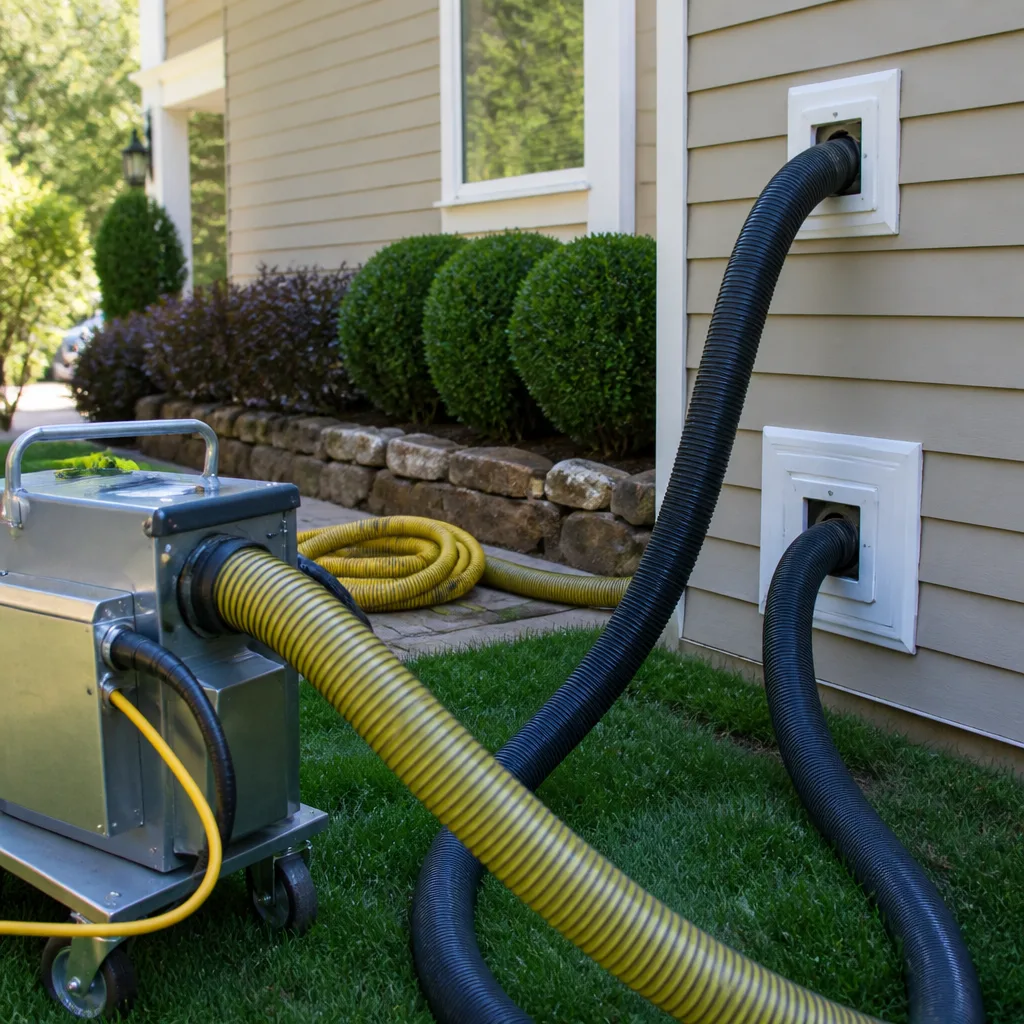 Whole-home duct cleaning
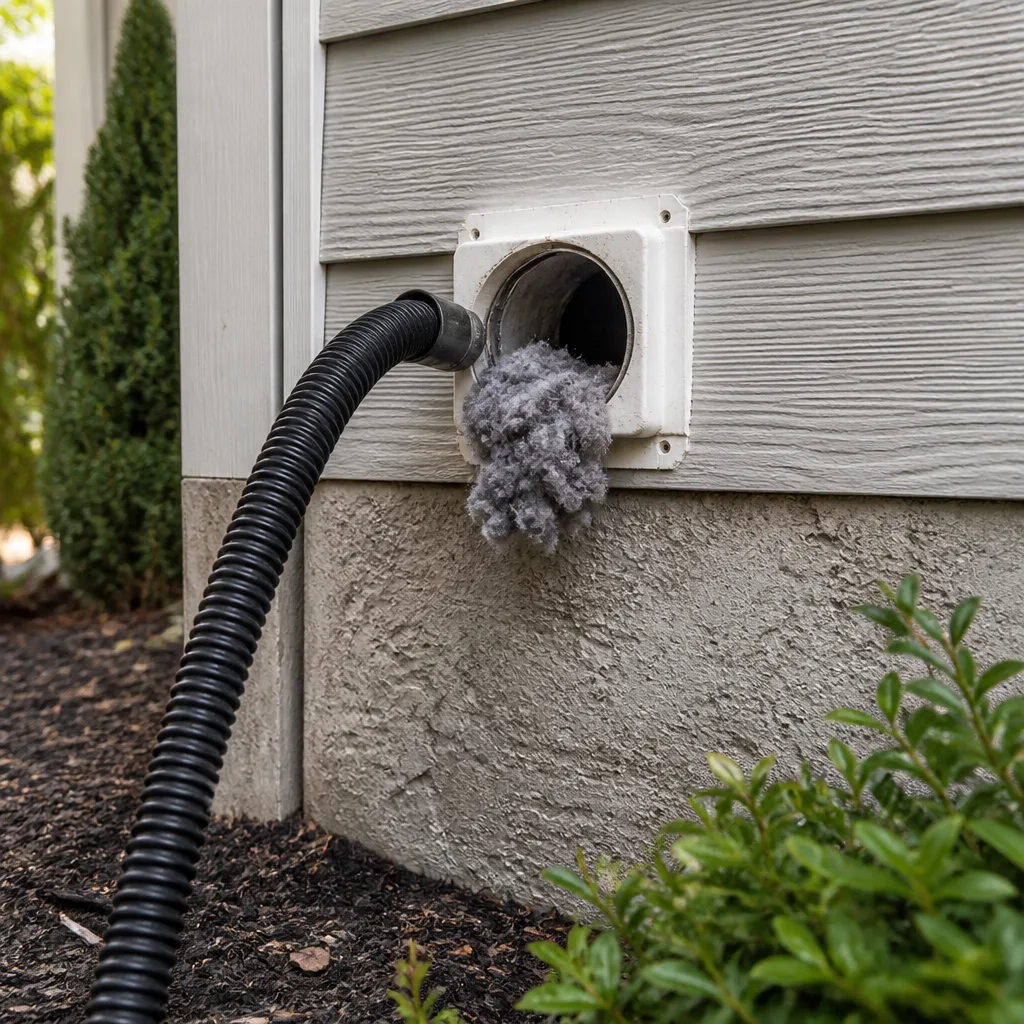 Dryer vent cleaning
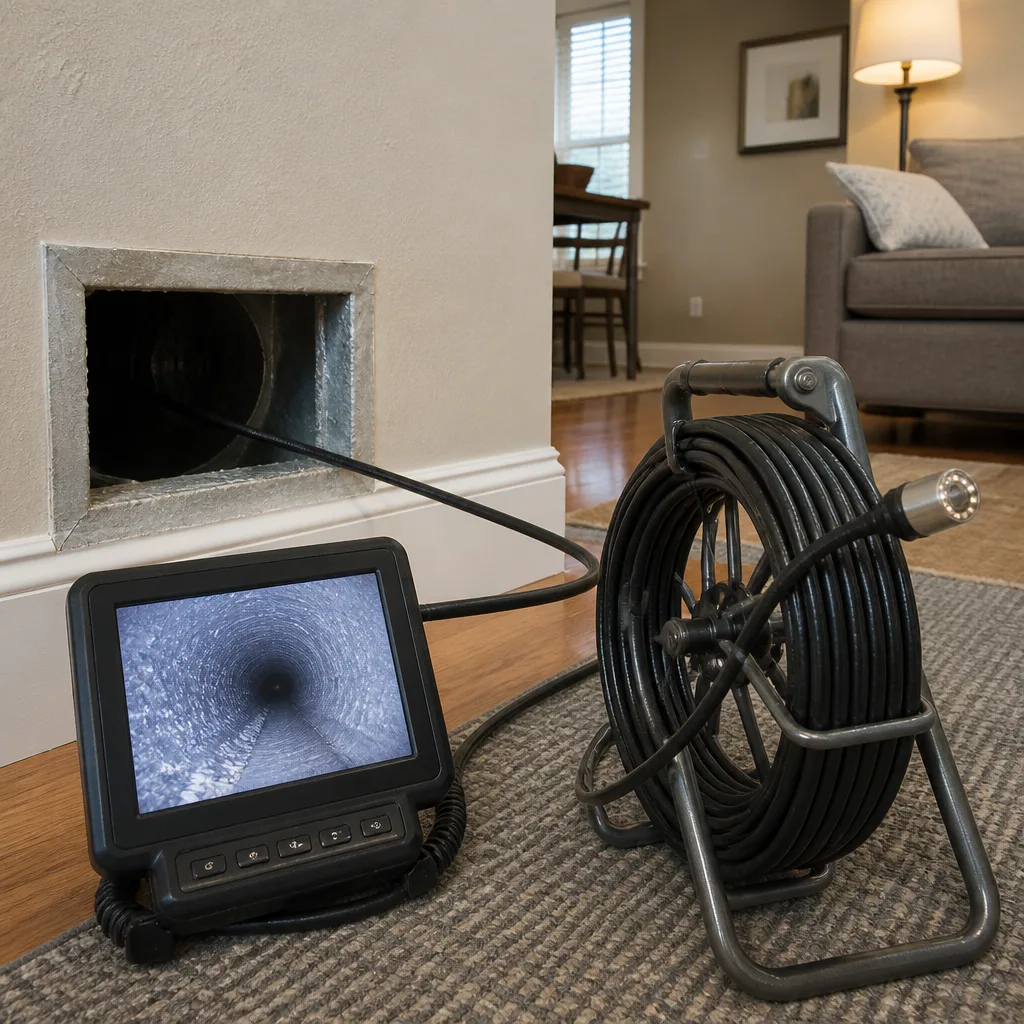 Camera inspection
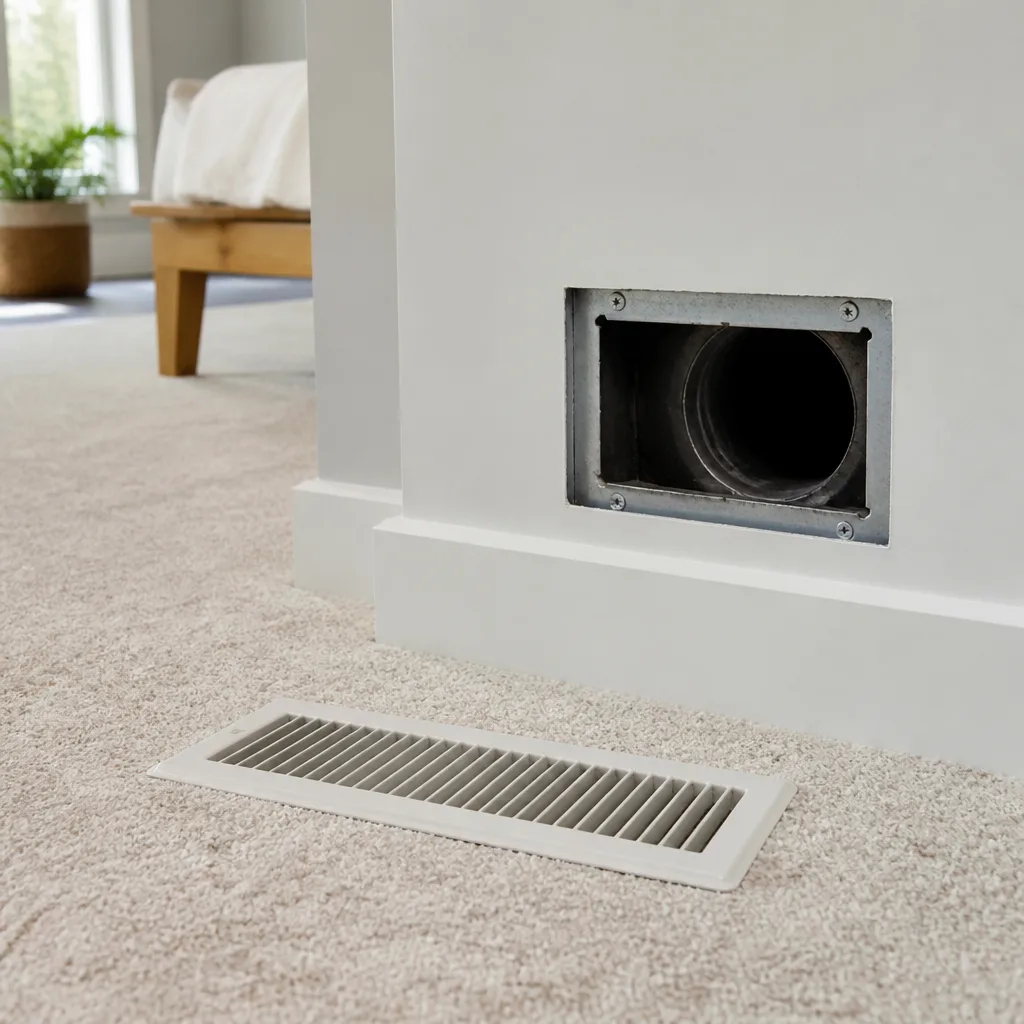 Sanitizing & deodorizing
Whole-system duct and dryer vent check with before-and-after photos - you see exactly what came out of your vents
That "$99 whole-house special" is a bait ad - the real number appears once they are in your hallway, or the "clean" is a shop-vac at the register. We photograph the inside of your ducts before and after instead.
DIY vs Professional Air Duct Cleaning: The Kingwood Homeowner’s Decision Guide
A $60 dryer vent brush kit and a shop vac really can clean your dryer duct, and we’ll show you how to do that safely in this guide. Point that same equipment at your main air trunk line and something counterintuitive happens: the brush loosens years of settled dust, and your household vacuum, moving a few hundred cubic feet per minute at best, has nowhere near the airflow to pull that cloud out of the system. Instead it drifts out of the nearest register and settles across your living room. DIY duct cleaning isn’t usually dangerous. It’s incomplete by design, because the gap between consumer tools and professional equipment isn’t about effort, it’s about physics. Here’s where DIY genuinely works, and exactly where it stops.
Quick Answer
DIY air duct cleaning is worth doing at the registers, grilles, and dryer vent, but it cannot clean a main trunk line or the interior of your HVAC system without professional negative-pressure extraction. A consumer vacuum dislodges contamination without containing it, so the debris ends up in your rooms rather than being captured and removed. For real results in a Kingwood home, professional cleaning with truck-grade HEPA equipment is the only approach that removes contamination instead of redistributing it.
Styles & brands we work with
- Whole-home duct cleaning
- Dryer vent cleaning
- Camera inspection
- Sanitizing & deodorizing
Table of Contents
- Why Negative Pressure Extraction Works (and a Shop Vac Doesn’t)
- The Legitimate DIY Scope: What You Can Actually Do Well
- The Flex Duct Puncture Problem in Kingwood Homes
- Cost Reality: A $60 Kit vs a Professional Job
- When DIY Becomes a Liability You Can’t Undo
- How to Tell Whether the Ducts Are Actually Clean
- How to Choose a Professional in the Kingwood Market
- Dryer Vent Cleaning: The One DIY Job Worth Learning
Why Negative Pressure Extraction Works (and a Shop Vac Doesn’t)
Air duct cleaning works when the system is put under negative pressure: a high-volume vacuum pulls the whole duct network down below the pressure of the room, so any dust the agitation tool dislodges gets pulled toward the capture point rather than drifting into the house. That’s the entire principle. The number that matters is airflow, measured in cubic feet per minute (CFM). Professional duct cleaning rigs run in the thousands of CFM. A strong household shop vac moves a small fraction of that, and a consumer-grade vacuum with a hose shoved into one register moves less still.
Here’s the practical consequence. When airflow containment is far below the volume of contamination you’re stirring up, the system goes net-negative. You’ve loosened material faster than you can remove it. On a short run – one register, one branch – that usually doesn’t matter, because you’re not dislodging much. On a main trunk line serving a whole Kingwood house, it matters a lot. What’s circulating through your home after a DIY attempt on the trunk can be worse, at least in the short term, than what was sitting in the duct before you started.
This is why we run Rotobrush and Nikro professional systems, and why Abatement Technologies equipment is on hand for heavier contamination. These aren’t bigger shop vacs. They combine high-volume extraction, rotary agitation that scrubs the duct walls, and HEPA filtration so the exhaust side is captured too. The full-system approach runs from the duct opening to the air handler, which is the only way to clear the whole network rather than the first few feet.
The other half of containment is verification. A professional service can show before-and-after photos of your own ducts. A shop vac in your hallway can’t, which leaves you guessing whether anything was actually removed.
The Legitimate DIY Scope: What You Can Actually Do Well
We’re not going to tell you every part of duct maintenance requires a professional, because that isn’t true. Several tasks are genuinely within reach for a careful homeowner, and doing them well between professional cleanings helps your system. Here’s the honest shortlist.
Register and grille cleaning. Pull the supply registers and return grilles, wash them in a sink with mild soap, and let them dry fully before reinstalling. This is where a lot of the visible dust lives, and it’s low-risk. It won’t clean the duct behind the grille, but it reduces what gets pulled into the air stream from the face of the register.
Return grille washing and filter upkeep. The return side collects more dust than most people expect because all the household air passes through it. Wipe down the return frame, check the filter, and replace disposable filters on the schedule your system calls for. A clogged filter strains the blower and pushes dust past the filter frame. Keeping it clean is real maintenance.
Dryer vent maintenance. Clearing the flexible section from the back of the dryer and the short run to the exterior is a legitimate DIY task if you can reach it safely and your vent run is simple. We cover that in its own section below, because dryer vent cleaning is a fire-safety service, not just a comfort one.
Exterior vent inspection. Check that the outside dryer vent flap opens freely when the dryer runs and that no lint is packed behind it. Easy, useful, and it catches problems early.
What all four have in common: they involve the surface of the system, not the interior of the trunk or the air handler. The moment a task requires reaching inside the duct network itself, or cleaning the HVAC system, you’ve crossed the line where consumer equipment stops being enough.
The Flex Duct Puncture Problem in Kingwood Homes
Here’s a risk most DIY guides skip entirely: duct damage. Many Kingwood homes run flexible duct – the silver, ribbed, foil-wrapped product – on branch runs and sometimes on longer stretches. Flex duct is thin-walled by design. It’s built to be lightweight and inexpensive, not to survive a spinning brush. Consumer duct cleaning kits, the ones with a drill-mounted brush and flexible rods, are stiff and unforgiving. Feed one into a flex run and hit a bend at the wrong angle and the brush or rod can puncture or tear the inner liner.
When that happens, the consequences are concrete. A punctured flex duct leaks conditioned air into the attic or wall cavity, which means higher energy bills, reduced airflow to the affected rooms, and a new pathway for dust and attic air to enter the system. Repairing or replacing that section typically runs a few hundred dollars per incident – often $200 to $600 in Kingwood’s thin-walled flex systems – which is more than a full professional cleaning would have cost. And the leak you’ve created pulls contamination back into the duct after you clean it, so the re-contamination starts immediately.
We’ve seen the aftermath of this often enough to say it plainly: the drill-brush kit has a narrow safe use, and it isn’t inside flex ducting. Professional agitation tools are matched to duct material and pressure-tested in a way consumer kits aren’t. If your ducts are flex, the brush-and-rod route is one we’d skip.
Cost Reality: A $60 Kit vs a Professional Job
Let’s put the numbers side by side, because the DIY case usually rests on sticker price and not much else. A consumer duct cleaning kit runs around $40 to $80. That sounds like a bargain next to a professional job, until you measure it against the contamination actually removed and verified. Here’s a rough breakdown of what each approach delivers.
- DIY kit, ~$40 – $80: cleans the registers you can reach and lightly agitates the first few feet of duct, no HEPA capture, no containment, no verification photos, and up to a few hundred dollars of duct-damage risk if you’re working near flex.
- Professional cleaning, ~$400 – $700: full negative-pressure extraction from the duct opening to the air handler, rotary agitation of the walls, HEPA-filtration exhaust, and before-and-after photos of your own ducts.
The dollar gap exists because the two jobs are different jobs. A $60 kit spends an afternoon and doesn’t touch the trunk. A professional job removes the accumulated material across the whole system and can show you it did. If your ducts are lightly soiled and you clean the registers a couple of times a year, that may be all the maintenance you need. If they haven’t been cleaned in a decade, or the house has just changed hands, or there’s been water intrusion or a renovation, the DIY route mostly swirls the contamination that matters most.
One thing worth knowing about how professional pricing should work: it should be one flat price for the whole system, agreed before any work starts, with no per-vent pricing and no bait-and-switch. A written estimate sets the final price. Estimates are free, so the cost question is easy to settle without committing to anything.
When DIY Becomes a Liability You Can’t Undo
There are scenarios where the question isn’t “is DIY good enough” but “is DIY the wrong tool entirely.” These are situations where you need documented, verifiable cleaning, not an afternoon with a shop vac.
- After a water event or flood. Moisture in the duct system creates the conditions for mold growth inside the ducts, and mold is difficult to see from a register. Consumer vacuums don’t have the containment to handle spores safely – a household vacuum can actually distribute them. This is contamination-level work that calls for professional extraction and, where appropriate, sanitizing. Abatement Technologies equipment is designed for exactly this kind of heavier contamination.
- Before listing or selling a home. Buyers and home inspectors ask about duct condition. A documented professional cleaning with before-and-after photos answers the question and can head off a negotiation surprise.
- After a remodel or construction project. Drywall dust, sawdust, and framing debris settle deep in the system and travel with every heating and cooling cycle. Construction debris in ductwork is a real contamination scenario, not a surface-dust one.
- Following a health event. If someone in the household is dealing with allergies, asthma, or another respiratory concern, cleaning needs to actually remove the contamination, and verification matters. This is when owners want professional equipment and a documented result.
- When the ducts have never been cleaned and you can’t tell what’s in them. A new-to-you Kingwood home is the classic case. If the previous owner never had the ducts cleaned and the home has pets, that history is unknown. Professional cleaning with photos tells you what you’re living with.
None of these are reasons to panic. They’re reasons to stop treating DIY as equivalent. In each case the equipment gap between a consumer kit and professional extraction is the whole story, and no amount of effort closes it.
How to Tell Whether the Ducts Are Actually Clean
“Clean” is a claim, and a claim needs evidence. Here’s how to check the result whether you did the work yourself or hired it out.
Look at the evidence, not the invoice. Professional cleaning should produce before-and-after photos of your own ducts – the interior of the trunk, not just the register. If a company can’t show you what they removed, treat the job as unverified. This one habit catches most of the industry’s bait-and-switch problems.
Watch for signs of re-contamination. A week after cleaning, check the registers. If dust is visibly building on the grilles again, either the cleaning didn’t reach the trunk or there’s a return-side or filter problem pulling dust back in. A clean system with a good filter shouldn’t rebuild dust on the registers that fast.
Mind the airflow. You should notice the vents pushing air more freely after a proper cleaning, not less. Reduced airflow afterward usually points to a dislodged piece of debris or, worse, damage to a flex run.
Address the root cause, not just the surface. Cleaning removes what’s there today. Duct repair and sealing keeps it from coming back – leaky ducts draw attic air and dust into the system, so a clean system with unsealed leaks re-contaminates. Sealing is the step that makes the cleaning last, and it’s why a full-system specialist offers it alongside cleaning rather than as an afterthought.
For a full filter and cleaning walkthrough of what the process includes, see our air duct cleaning page.
How to Choose a Professional in the Kingwood Market
The DIY-versus-pro question has a hidden third option: hire someone and get worse results than DIY because you chose wrong. The industry’s bait-and-switch reputation is earned. Here’s what to look for when you do call.
Whole-system, flat pricing. Ask for one flat price for the whole system, in writing, before work starts. Per-vent quotes let the invoice grow once the technician is on site. A written estimate that names the final price is the standard you want.
Real equipment, by name. Ask what equipment they run. Rotobrush and Nikro are professional systems trusted by certified HVAC and indoor air quality specialists. Abatement Technologies is what you want to hear for serious contamination scenarios. If the answer is vague, keep looking. And no, one company can’t guarantee results with a shop vac, no matter how careful the technician is.
Verification as standard. Before-and-after photos of your own ducts, offered without asking. The company connects you with a local pro who is licensed and insured as their state requires, and who will show you the result.
Full-system capability. A specialist should handle air ducts, the HVAC system, dryer vents, sanitizing, and duct sealing, so one visit addresses the whole airflow system. If you need HVAC cleaning or dryer vent cleaning too, a specialist covers it. For whole-home air quality, our team is authorized to recommend and install Honeywell and Aprilaire solutions, so filtration and humidity control can be part of the same visit. Our technicians have up to 11 years of experience with this equipment.
Weigh the quote on what it removes and verifies, not on which number is lowest. A cheap job that doesn’t reach the trunk is worse value than no job at all.
Dryer Vent Cleaning: The One DIY Job Worth Learning
We opened by saying a $60 dryer vent brush kit and a shop vac can clean your dryer duct, and that’s true – this is the one airflow job where the DIY physics actually work. The run is short, you can reach both ends, and the volume of lint is small enough that a shop vac can keep up. The reason it’s worth learning is that dryer vent cleaning is a fire-safety service. Lint is highly flammable, and a clogged vent is a leading cause of residential house fires. This is the one duct in your home where an annual check genuinely matters.
What you can do yourself: disconnect the dryer, clear the flexible section behind it, vacuum out the wall cavity as far as the brush reaches, and confirm the exterior flap opens freely. Check the lint screen every load and the vent run every year. If your vent run is long, complex, has multiple turns, or routes through a hard-to-reach wall or roof, that’s where hands-on clearing needs the right tools and should go to a professional. Our dryer vent cleaning covers full-length runs where a homeowner brush can’t safely reach. If you’re not sure which category your dryer vent falls into, that’s a good reason to call.
For the rest of your system, including the full scope of what a specialist covers, start at Kingwood Air Duct Cleaning Co.
Common Mistakes to Avoid
- Running a drill-brush kit through flex duct. The spinning brush and stiff rod can puncture thin-walled flex, and a repair runs a few hundred dollars. Match the tool to the duct material, or leave flex to a professional.
- Believing a shop vac creates containment. It moves far too little air to pull dislodged dust out of a trunk line, so the dust ends up in your rooms instead. Containment is about CFM, and a household vacuum doesn’t have it.
- Cleaning the ducts but ignoring the filter and sealing. A clean system with a clogged filter or leaky ducts re-contaminates within weeks. Address the root cause, not just the surface.
- Skipping before-and-after photos. Without them, you can’t tell whether the trunk was cleaned or just the first few feet. Ask for photos of your own ducts every time.
- Assuming a cheap coupon price is the real price. A teaser quote often becomes a larger invoice once the technician is on site. Insist on one flat price for the whole system, agreed before work starts.
- Ignoring the dryer vent because it isn’t a comfort issue. A clogged dryer vent is a fire risk, not just a slow-drying annoyance. Check the exterior flap and clear the run every year.
- Waiting until dust is visible at the registers. By the time you can see it, the trunk is already loaded. Clean on evidence and schedule, not on visible dust alone.
See the difference
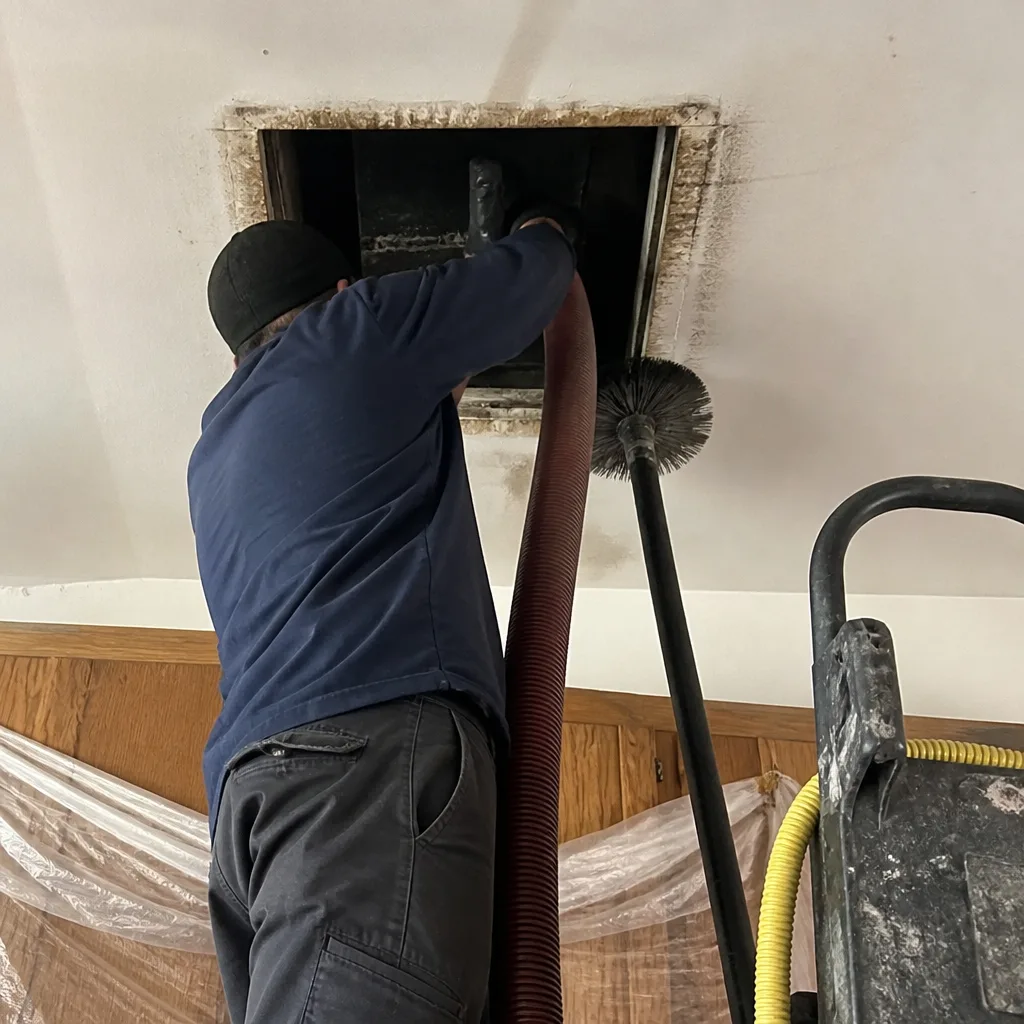 Before
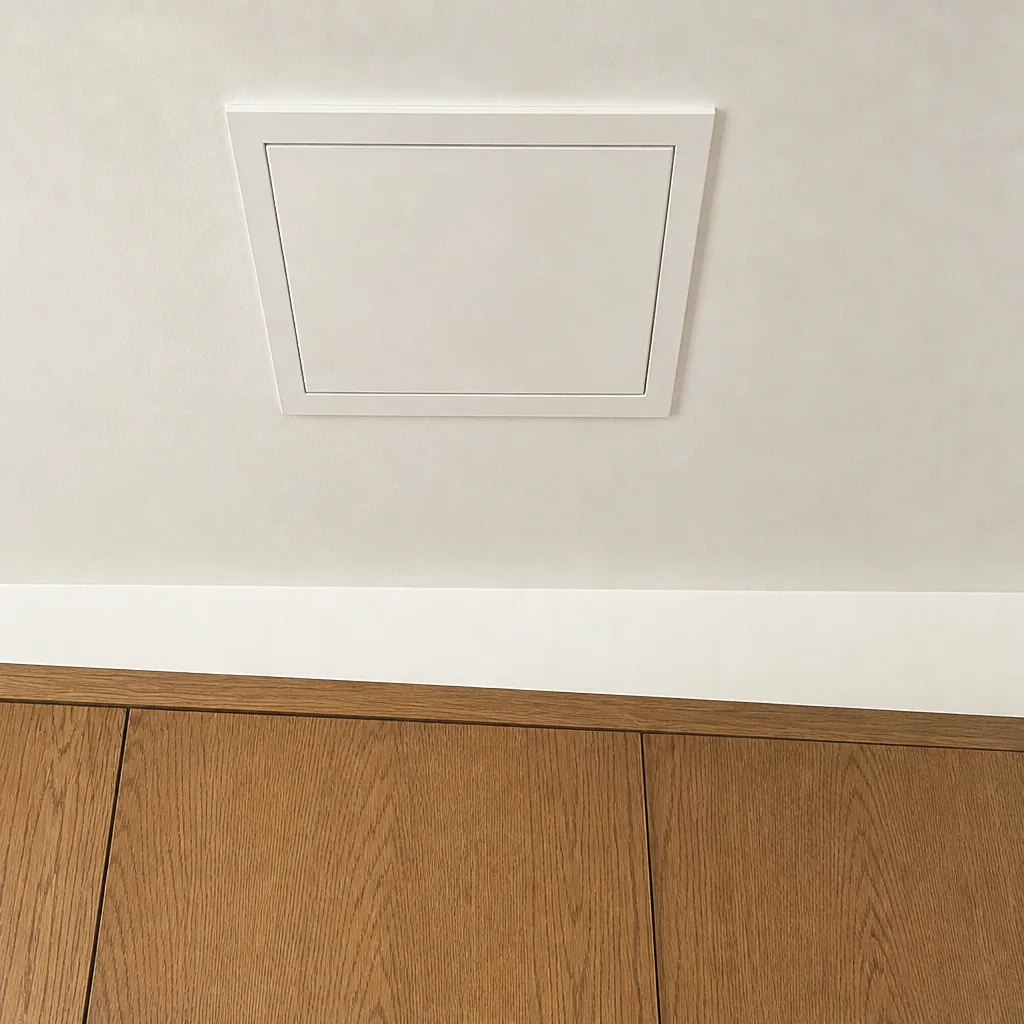 After
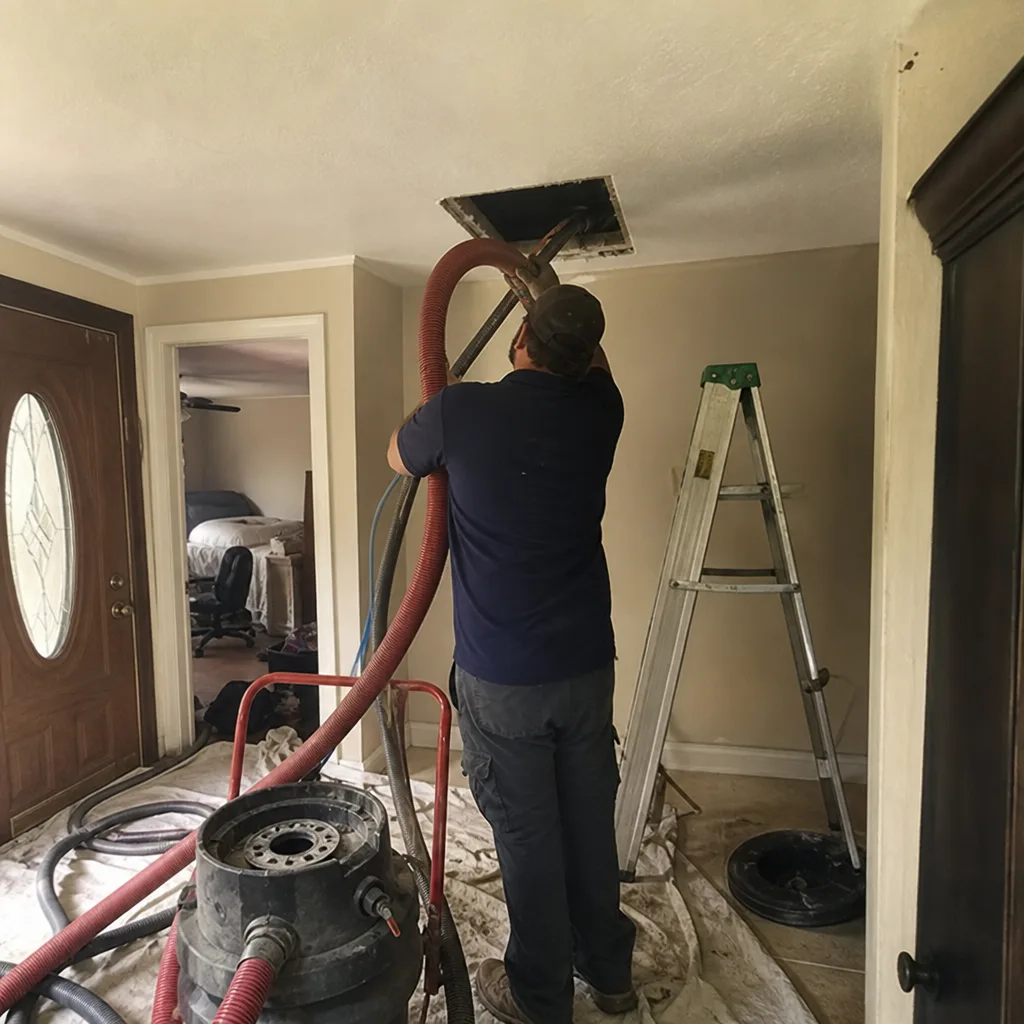 Before
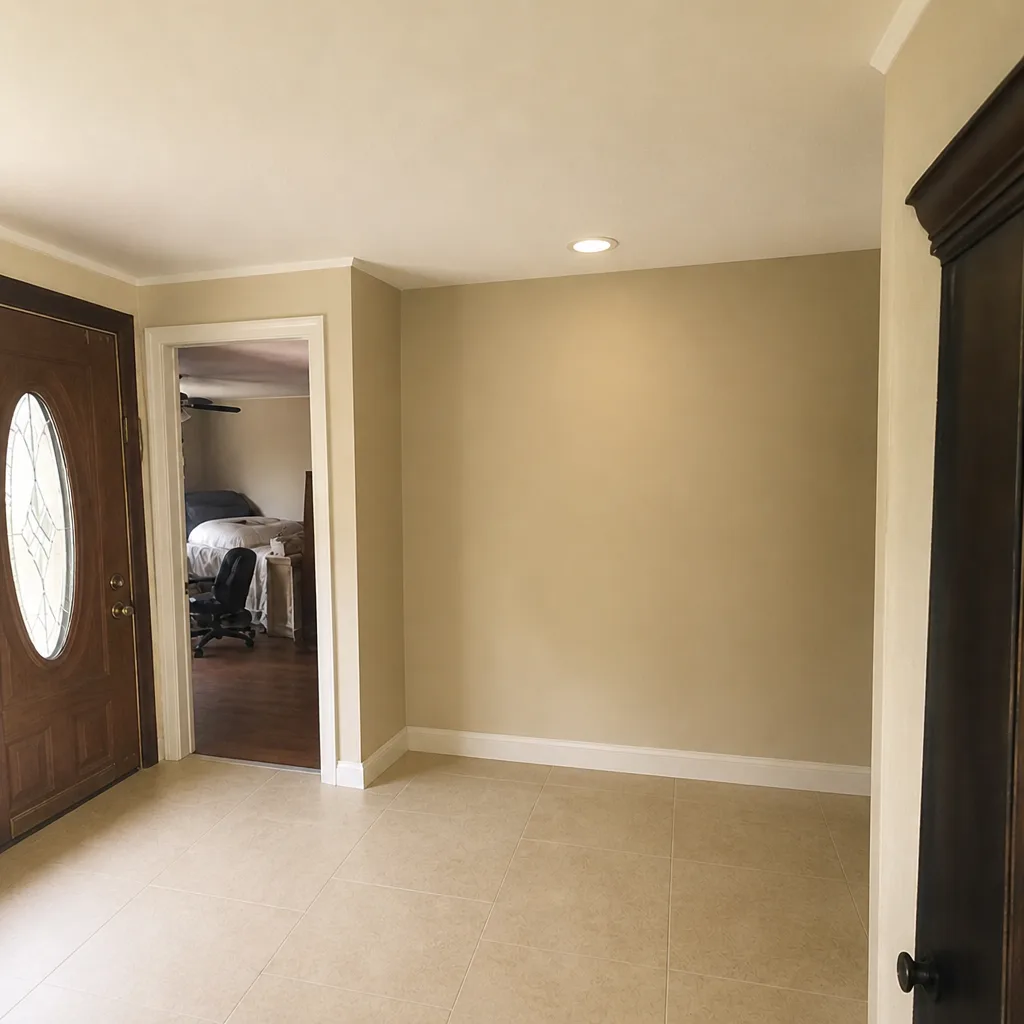 After
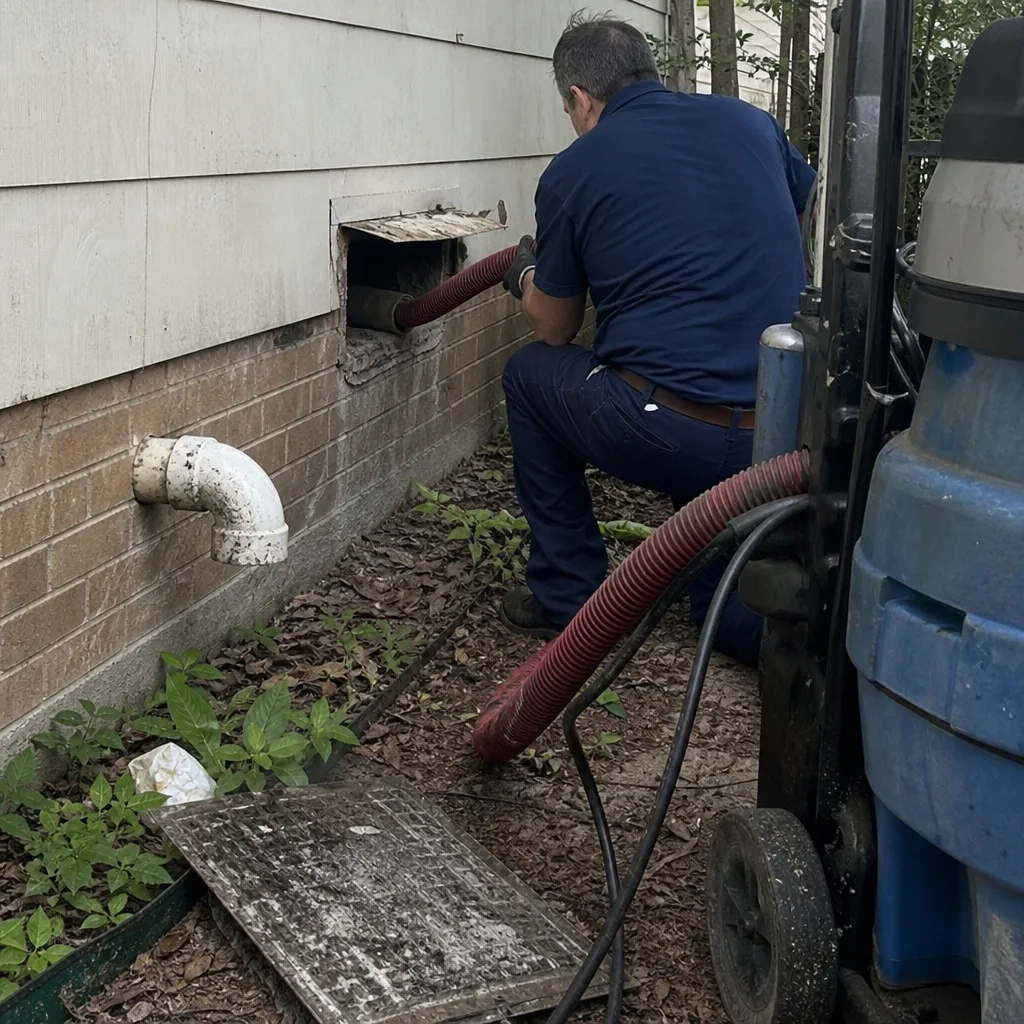 Before
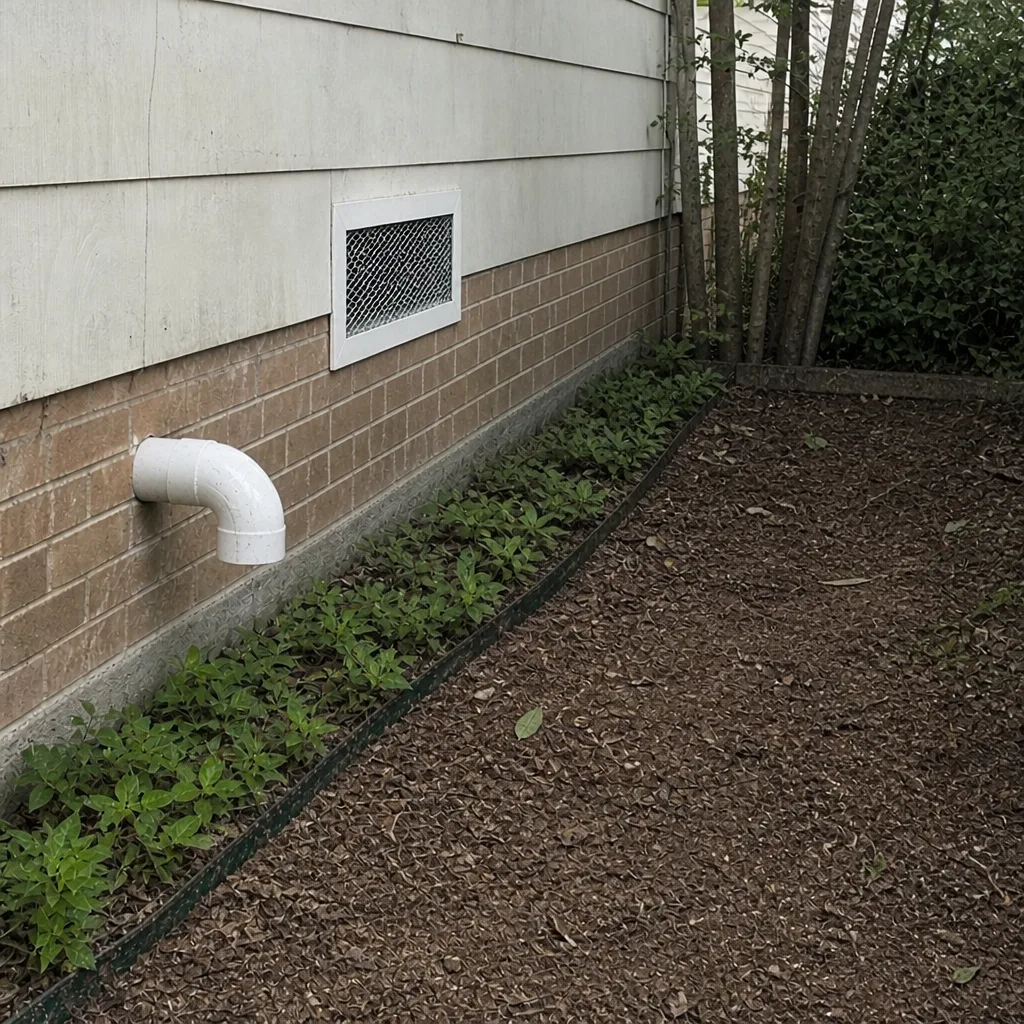 After
When to Call a Professional
Call a professional when the work requires reaching inside the duct network, cleaning the HVAC system, or removing contamination you can’t safely capture with consumer equipment. Specific triggers: after any water event or flood, after a remodel or construction project, after a health event in the household, before listing or selling the home, when a new-to-you home’s duct history is unknown, when the dryer vent run is long or complex, and any time you can’t verify the last cleaning was done. In each case, the thing that separates DIY from a professional job is containment and verification, and both come from the equipment. Kingwood Air Duct Cleaning Co offers free estimates in Kingwood – call (833) 991-7731. We answer 24/7. Fast dispatch from 7am to 7pm, Sunday through Friday.
Frequently Asked Questions
A full-system professional cleaning in the Kingwood area typically runs about $400 to $700, and the written estimate sets the final price. The range covers negative-pressure extraction from the duct opening to the air handler with before-and-after photos. Call (833) 991-7731 for an exact quote – estimates are free.
No. A consumer vacuum moves far too little airflow to contain the dust a main trunk line releases, so the debris ends up in your living space rather than out of the system. The drill-brush kits can also puncture thin-walled flex duct. Call (833) 991-7731 to have the trunk cleaned properly.
Cheap quotes usually cover less: the first few feet of duct, no HEPA containment, and no verification photos, sometimes with a coupon price that grows once the technician is on site. You’re paying for equipment and containment, not just labor. Ask for one flat whole-system price in writing. Call (833) 991-7731 for an honest estimate.
Before-and-after photos of your own ducts, taken inside the trunk line, are the proof. If a company can’t show you what was removed, treat the job as unverified. A fair company offers the photos without being asked. Call (833) 991-7731 to book cleaning with photos included.
Most homes need it every few years at most, sooner if you have pets, allergies, recent renovation, or a water event in the home. Register and filter maintenance you can do yourself in between. If you’re unsure how long it’s been, that’s a good reason to have it checked. Call (833) 991-7731 for a free estimate.
Yes, for a short, simple vent run you can reach safely – a brush kit and shop vac handle it, and it’s worth doing because a clogged dryer vent is a fire risk. Long or complex runs need professional equipment. Call (833) 991-7731 if you’re not sure which your vent is.
The Bottom Line
DIY air duct cleaning is legitimate at the registers, grilles, filter, and a simple dryer vent, and those tasks are worth doing well. What it can’t do is clean the trunk line, the HVAC system, or handle contamination-level situations, because a consumer vacuum moves a fraction of the airflow that negative-pressure extraction needs. The physics sets the limit, not the effort. For the parts of the system that matter most, one flat price from a specialist who can show you before-and-after photos is the honest way to spend the money. For a full review of what professional cleaning covers, see our air duct cleaning page, and call (833) 991-7731 for a free estimate in Kingwood.
Written by the team at Kingwood Air Duct Cleaning Co.